
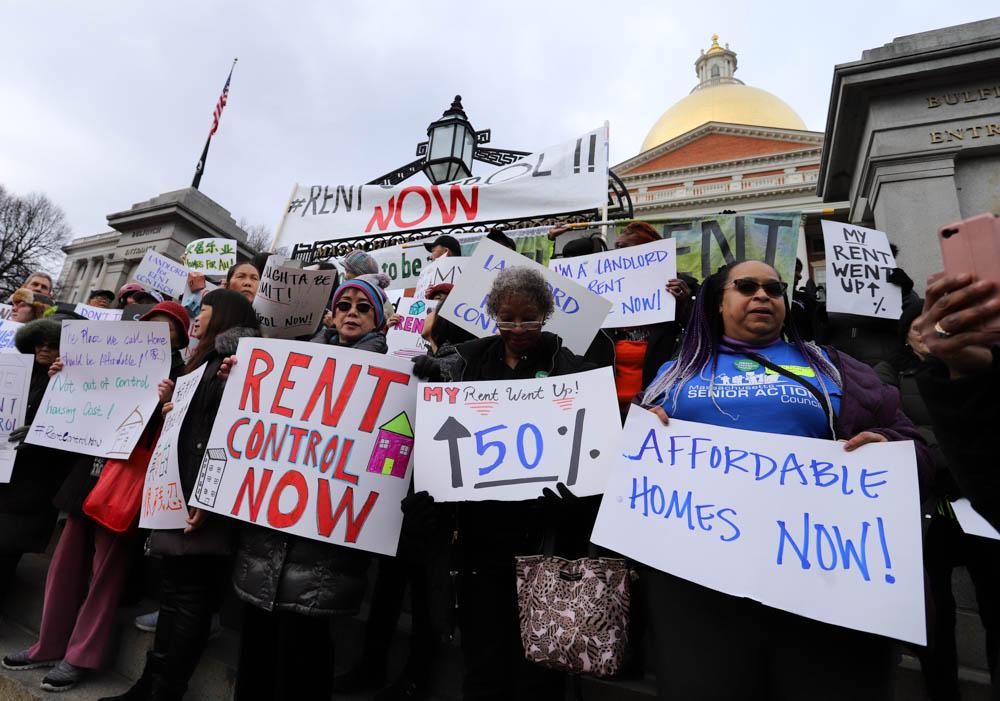
Boston is currently at the center of a heated public debate as city officials propose new rent control rules aimed at addressing the escalating housing affordability crisis. The proposed measures have sparked widespread discussion among residents, landlords, and policymakers, highlighting the deep divisions over how best to balance tenant protections with the interests of property owners. As the city grapples with rising rents and a growing demand for affordable housing, the outcome of this debate could significantly reshape Boston’s rental market and set a precedent for other urban centers facing similar challenges.
Table of Contents
- Boston Residents Voice Concerns on Impact of Rent Control on Housing Market
- Economic Experts Analyze Potential Effects on Property Investment in Boston
- City Officials Outline Proposed Rent Control Measures and Implementation Timeline
- Advocates Call for Comprehensive Solutions to Address Housing Affordability Crisis
- In Summary
Boston Residents Voice Concerns on Impact of Rent Control on Housing Market
Boston residents have raised significant concerns about the proposed rent control measures,emphasizing the potential unintended consequences on the city’s dynamic housing market. Many locals fear that capping rent increases might discourage new construction and reduce overall investment in rental properties, which could exacerbate the existing shortage of affordable housing. Critics argue that such policies could lead to a decrease in housing quality as landlords might cut back on maintenance to compensate for reduced rental income.
Voices from the community highlight several key concerns:
- Potential reduction in available rental units as property owners convert apartments to condos or other uses.
- Risk of decreased incentives for developers to create new affordable housing.
- Fear that rent control might shift the burden onto tenants in uncontrolled units, inflating rents elsewhere.
Supporters of the proposal contend it is vital to protect vulnerable renters amid skyrocketing costs, but residents debate whether rent control is the right tool for a city grappling with economic disparities and housing scarcity. As discussions unfold, Boston’s housing future remains a focal point of local and political contention.
Economic Experts Analyze Potential Effects on Property Investment in Boston
Economic experts remain divided over how the proposed rent control measures might reshape Boston’s property investment landscape. Some analysts warn that introducing restrictions on rent growth could deter new investments, thereby reducing the overall housing supply and possibly slowing the city’s economic momentum. They caution that landlords may face diminished incentives to maintain or develop residential properties,which could lead to a decline in quality and availability over time.
Conversely, other specialists argue that rent control could create a more stable, predictable market that benefits long-term tenants without drastically impeding investor returns. Key points highlighted include:
- Potential for preserving affordable housing stock amid escalating city rents.
- Increased demand for properties outside controlled segments, shifting investment strategies.
- Possibility of policy adjustments to balance investor interests with tenant protections.
Ultimately, the debate centers on finding a sustainable equilibrium that addresses affordability concerns while sustaining Boston’s dynamic real estate market.
City Officials Outline Proposed Rent Control Measures and Implementation Timeline
Boston city officials have unveiled a detailed framework for rent control aimed at addressing the escalating housing affordability crisis. The proposal outlines several core components designed to protect tenants while maintaining incentives for property owners. Key elements include:
- Annual rent increase caps tied to inflation and local wage growth.
- Limits on rent hikes between tenancies to prevent sudden and unaffordable increases.
- Expanded tenant protections including just-cause eviction requirements and enhanced grievance processes.
Officials emphasize a phased implementation timeline, beginning with stakeholder consultations scheduled for the fall, followed by pilot programs in select neighborhoods early next year. The city aims for full ordinance adoption within 18 months, balancing rapid response to housing pressures with careful evaluation of economic impacts. Public hearings will be essential in shaping the final policy as Boston seeks to lead the region in innovative housing solutions.
Advocates Call for Comprehensive Solutions to Address Housing Affordability Crisis
Housing advocates in Boston urge policymakers to adopt a multi-faceted strategy that goes beyond rent control to tackle the city’s growing affordability challenges. They emphasize the need for increased investment in affordable housing advancement, expanded tenant protections, and enhanced funding for homelessness prevention programs. Advocates argue that a singular focus on rent regulation risks overlooking the systemic issues fueling displacement and housing insecurity.
Key proposals highlighted by supporters include:
- Expanding subsidies for low-income renters
- Streamlining zoning laws to encourage new constructions
- Strengthening enforcement against illegal evictions
- Promoting community land trusts to preserve affordable units
They warn that without a comprehensive approach, Boston’s housing market will continue to marginalize vulnerable populations, fueling economic and social disparities across the city.
In Summary
As Boston stands at a crossroads in its ongoing housing challenges, the proposed rent control rules have ignited a vigorous public debate that reflects the city’s complex social and economic dynamics. With stakeholders from tenants to landlords and policymakers actively voicing their perspectives,the outcome of this discussion will likely shape the future of Boston’s housing landscape. As the city moves forward, all eyes will be on how these contentious rules evolve amid the broader effort to balance affordable living with sustainable development. The coming months promise critical decisions that could redefine the city’s approach to housing affordability for years to come.