
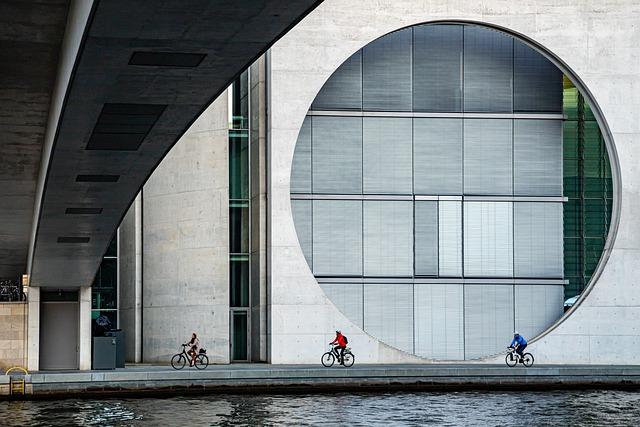
As cities across the country continue to expand their networks of bike lanes, a heated debate is unfolding over their impact on urban traffic flow. Advocates argue that dedicated cycling infrastructure promotes safer, greener transportation and reduces congestion, while critics contend that bike lanes often lead to increased traffic delays and frustration among motorists. This clash of perspectives has sparked discussions among city planners, commuters, and residents alike, highlighting the complex challenges of balancing efficient traffic management with enduring mobility goals.
Table of Contents
- Bike Lanes Influence Commuter Patterns and Traffic Congestion
- Balancing Safety and Efficiency in Urban Road Design
- Community Responses Reveal Divided Opinions on Infrastructure Changes
- Experts Recommend Integrated Traffic Solutions to Mitigate Impact
- To Conclude
Bike Lanes Influence Commuter Patterns and Traffic Congestion
City planners and traffic analysts are closely monitoring changes in commuter behaviour as new bike lanes are introduced across urban corridors. Early data suggest a shift as more individuals opt for cycling over driving, potentially easing the load on crowded roadways during peak hours. Though, some motorists argue that the reallocation of street space reduces lane availability, thereby slowing vehicle traffic and increasing congestion around busy intersections.
Supporters of the bike lanes highlight several benefits that extend beyond immediate traffic flow improvements, such as:
- Reduced carbon emissions due to fewer cars on the road.
- Enhanced public health through increased physical activity.
- Improved safety for cyclists with protected lanes.
- Potential long-term traffic relief as commuting habits evolve.
Critics,however,caution that without complementary measures such as improved public transit and traffic signal optimization,the new infrastructure might shift congestion rather than alleviate it. The debate continues as cities collect more thorough data to understand the full implications of this evolving urban design strategy.
Balancing Safety and Efficiency in Urban Road Design
Urban planners face the complex challenge of ensuring roadways serve both safety and efficiency in the bustling environment of city streets. Allocating space for bike lanes frequently enough means narrowing car lanes or reducing parking availability, which some motorists argue slows traffic flow and increases congestion. However, advocates highlight that well-designed bike infrastructure can create a more predictable traffic environment by clearly separating vulnerable cyclists from motor vehicles – leading to fewer collisions and improved overall movement. Striking this balance requires a nuanced approach where the benefits of reduced pedestrian and cyclist injuries are weighed against the perceived impacts on vehicular traffic.
Key considerations in this equation involve:
- Traffic volume and peak congestion times-ensuring bike lanes do not create bottlenecks during rush hours.
- Visibility and signage enhancements that alert drivers to cyclists and promote safe interactions.
- Flexible lane designs that can be adapted as urban mobility trends evolve.
Cities experimenting with integrated bike networks report that when planners focus on these factors, the trade-off between safety gains and traffic efficiency can gradually tilt toward positive outcomes, fostering safer, more livable urban environments without significant detriment to commute times.
Community Responses Reveal Divided Opinions on Infrastructure Changes
Reactions from residents and commuters have been sharply divided following recent changes to the city’s roadways. Advocates for the new bike lanes argue that these adaptations encourage safer, eco-friendly transportation and reduce vehicle congestion, while opponents voice concerns about increased traffic delays and limited parking availability. Many commenters have highlighted how the reallocation of road space has altered daily travel patterns,with some welcoming the push toward multimodal transit options,while others feel that their commutes have become more congested and stressful.
Community feedback reflects a broad spectrum of opinions, which include:
- Supporters credit the lanes with promoting healthier lifestyles and lowering car dependency, applauding the move as a necessary step for future urban development.
- Critics warn of unintended consequences, such as longer wait times at intersections and increased difficulty for delivery and emergency vehicles navigating narrower roads.
- Some residents call for ongoing adjustments, suggesting that a more balanced approach could better serve both cyclists and motorists.
Experts Recommend Integrated Traffic Solutions to Mitigate Impact
Traffic experts emphasize the need for integrated strategies that blend multiple transportation modes to ease congestion rather than focusing on isolated solutions. These approaches combine bike lanes with improved public transit and smarter traffic signal systems to create a cohesive network that supports all road users. Advocates argue that such integration can not only mitigate delays caused by reallocating road space but also enhance safety and environmental sustainability.
Key recommendations include:
- Synchronizing traffic lights to optimize flow and reduce stoppages
- Developing multi-modal hubs connecting cycling, buses, and pedestrian paths
- Implementing adaptive traffic management systems with real-time data
- Designing bike lanes that complement rather than disrupt existing vehicle lanes
Experts agree that only through coordinated planning-integrating bike lanes with broader traffic management-will cities be able to sustain efficient travel while accommodating growing demand for active transportation options.
To Conclude
As the conversation around bike lanes continues to evolve, it remains clear that balancing the needs of cyclists and motorists is a complex challenge. While proponents argue that dedicated lanes enhance safety and encourage sustainable transportation, critics express concern over potential disruptions to traffic flow. What remains undisputed is the growing importance of urban planning that accommodates diverse modes of transit while striving to maintain efficient movement on our roads. As cities experiment with different approaches, the debate over bike lanes and traffic dynamics is likely to persist-reflecting broader discussions about how we shape the future of transportation.