
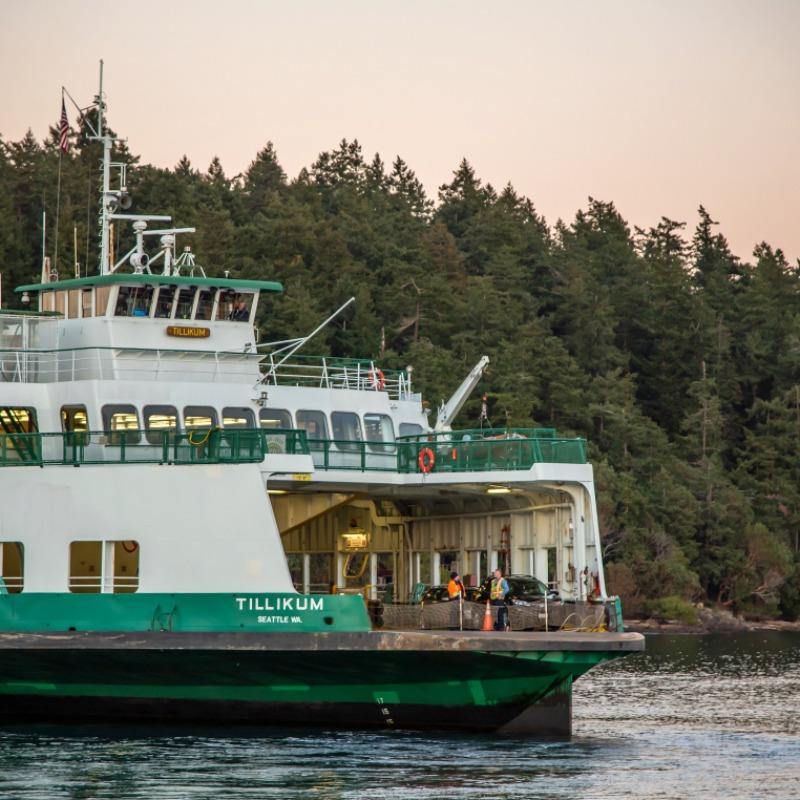
The state ferry service, a critical component of regional transportation infrastructure, is currently under close scrutiny as officials assess its operational status and future growth potential. In Washington, home to the largest ferry system in the United States, millions rely daily on these vessels for commuting and travel across waterways. With over 25 million passengers annually and more than 500 daily trips across 10 routes, the demand on the system continues to test its capacity and resilience. As the state plans for expansions to meet increasing commuter needs and enhance service efficiency, questions arise regarding funding, environmental impact, and technological upgrades. This article explores the current status of state ferry services and examines the prospects and challenges involved in expanding this vital transit network[[1]](https://www.go-washington.com/Overview-Ferry/)[[2]](https://wsdot.wa.gov/travel/washington-state-ferries).
Table of Contents
- Current Operational Challenges Impacting State Ferry Service Efficiency
- Passenger Demand Trends and Economic Factors Shaping Service Needs
- Infrastructure Upgrades and Technological Innovations for Future Expansion
- Policy Recommendations to Secure Funding and Enhance Service Coverage
- The Conclusion
Current Operational Challenges Impacting State Ferry Service Efficiency
State ferry operations are currently grappling with compounded challenges that have significantly affected overall service efficiency. The surge in passenger numbers post-pandemic has pushed fleet capacity and scheduling frameworks to their limits, resulting in frequent overcrowding and persistent delays during peak travel times. Vessel breakdowns have become increasingly common, worsening the service reliability and frustrating commuters. Additionally, workforce shortages, especially a critical lack of qualified mariners, continue to undermine operational stability, forcing numerous service cancellations and reduced sailings.
- Chronic crew shortages causing widespread cancellations
- Insufficient number of vessels struggling to meet growing ridership
- Increased mechanical failures impacting schedule adherence
- Surging passenger demand surpassing pre-pandemic levels
These issues have resulted in the cancellation of thousands of sailings, highlighting systemic vulnerabilities in the fleet management and labor recruitment strategies. Efforts to address these challenges include plans to expand the fleet and enhance recruitment drives, aiming for long-term recovery. However, the immediate service impact remains pronounced, underscoring the urgency for swift and sustainable solutions to restore reliability and efficiency.
Passenger Demand Trends and Economic Factors Shaping Service Needs
Recent data reveals a meaningful shift in passenger demand patterns, driven by evolving commuter preferences and regional economic growth. Urban expansion in coastal areas and increased tourism have fueled higher ridership during peak seasons, while off-peak travel remains comparatively steady. The rise of remote work has also contributed to more irregular travel schedules, prompting calls for greater schedule flexibility. Meanwhile, demographic trends show an aging population relying more on ferry services for essential travel, highlighting the need for improved accessibility features across vessels and terminals.
Economic factors continue to influence service needs profoundly. Inflationary pressures and fluctuating fuel costs strain operational budgets, compelling service providers to optimize routes and fleet utilization.Investments in sustainable technologies, such as electric and hybrid ferries, are gaining traction as both cost-saving measures and environmental imperatives. Policymakers are increasingly weighing expansion projects against fiscal constraints, balancing the imperative to meet growing demand with the realities of budget limitations. Essential considerations include:
- Integration with broader public transit networks to enhance connectivity
- Infrastructure upgrades to accommodate larger or more frequent vessels
- Adaptive pricing strategies to ensure affordability without sacrificing revenue
Infrastructure Upgrades and Technological Innovations for Future Expansion
The State Ferry Service is undergoing a transformative period marked by strategic infrastructure upgrades designed to enhance efficiency and capacity. Major terminal renovations are underway, featuring expanded docking spaces and enhanced passenger facilities to accommodate increasing demand. Together, investment in state-of-the-art vessel technologies aims to reduce environmental impact through the integration of hybrid-electric propulsion systems. These advancements not only promise reduced carbon emissions but also increased operational reliability, positioning the service at the forefront of sustainable maritime transport.
Key technological innovations include:
- Implementation of digital ticketing and real-time scheduling apps for improved customer experience
- Deployment of advanced navigation and safety systems to enhance vessel performance and passenger security
- Introduction of energy-efficient hull designs and renewable energy-powered auxiliary systems
These forward-thinking measures are integral to the service’s vision for future expansion, enabling seamless scalability while meeting stringent environmental standards. By combining cutting-edge innovations with targeted infrastructural enhancements, the ferry system is well-equipped to support the region’s growing transit needs over the coming decades.
Policy Recommendations to Secure Funding and Enhance Service Coverage
To ensure the sustainability and growth of the state ferry service,policymakers must prioritize securing diversified funding streams. This involves advocating for increased state and federal budget allocations while simultaneously exploring innovative financing mechanisms such as public-private partnerships and green transportation grants. Emphasizing the critical role of ferry services in regional connectivity and economic development can bolster legislative support. Additionally,implementing transparent reporting and performance metrics will build trust and demonstrate the tangible benefits of investment to stakeholders.
Expanding service coverage requires a data-driven approach to identify underserved routes and peak demand periods. Strategic partnerships with local governments and community organizations can facilitate targeted outreach and improve last-mile connectivity. Key recommendations include:
- Investing in modern, fuel-efficient vessels to reduce operational costs and environmental impact.
- Enhancing multimodal integration to streamline transfers between ferries, buses, and trains.
- Implementing dynamic scheduling that adjusts to seasonal ridership fluctuations for optimal resource allocation.
- Expanding marketing efforts to raise public awareness and ridership.
The Conclusion
As the state ferry service navigates the challenges of today while planning for tomorrow, stakeholders remain focused on balancing operational efficiency with enhanced connectivity. With proposed expansions on the horizon, the ferry system stands poised to play an even greater role in regional transportation networks. How these developments unfold will be closely watched by commuters, policymakers, and communities alike, all eager to see a future where the state ferry service offers reliable, sustainable, and accessible travel across the waters.