
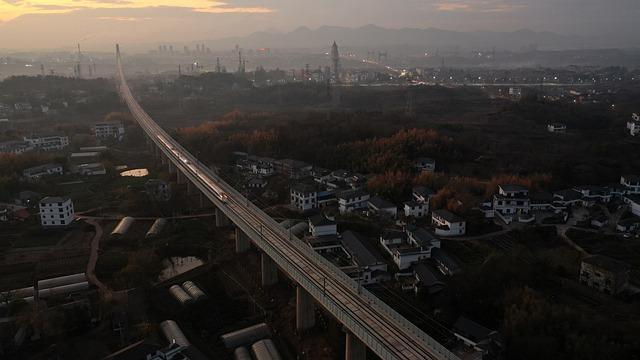
In a major advancement for Massachusetts transportation, officials have unveiled an ambitious plan to introduce a high-speed rail line connecting Boston to Western Massachusetts. The proposed project aims to dramatically reduce travel times,boost regional connectivity,and stimulate economic growth across the state. As the plan moves forward,transportation experts and community leaders are weighing the potential benefits and challenges of this transformative infrastructure investment.
Table of Contents
- Plan Details and Project Timeline Announced for Boston to Western Mass Rail Link
- Economic and Environmental Impact of the High-Speed Rail Initiative
- Community Feedback Highlights Support and Concerns Surrounding the Plan
- Recommendations for Ensuring Efficient Implementation and Long-Term Success
- Closing Remarks
Plan Details and Project Timeline Announced for Boston to Western Mass Rail Link
The newly announced project aims to establish a high-speed rail corridor linking Boston to Western Massachusetts, with the goal of considerably reducing travel times and stimulating regional economic growth. The plan outlines a phased approach beginning with critical rail infrastructure upgrades on existing lines, followed by the deployment of modern rolling stock capable of meeting ambitious speed targets. Key components include:
- Track modernization between Springfield and Worcester to enhance reliability and service frequency
- New signaling systems to support safer and more efficient train operations
- Station improvements at major stops to facilitate passenger convenience and accessibility
The project timeline targets initial construction and upgrades to commence within the next 2 years, with partial service enhancements expected to roll out by 2028. Full high-speed rail service could be operational by the mid-2030s, contingent upon continued funding and regulatory approvals. Officials have emphasized the environmental benefits, citing a reduction in vehicular traffic and associated emissions as a major advantage. This initiative is positioned as a transformative step toward creating a seamless, sustainable transportation link between Western Massachusetts and the Greater Boston area.
Economic and Environmental Impact of the High-Speed Rail Initiative
The introduction of the high-speed rail system promises to be a significant economic driver for the regions it connects. By drastically reducing travel times between Boston and Western Massachusetts, the initiative is set to stimulate local economies through increased tourism, job creation, and enhanced business connectivity. Key economic benefits include:
- Boosted regional commerce as easier access encourages investment and expands markets for local enterprises.
- Creation of construction and operational jobs spanning from infrastructure development to ongoing maintenance.
- Property value gratitude near stations and along the rail corridor, spurring urban revitalization efforts.
From an environmental outlook, the rail line offers a greener choice to car and air travel, aligning with state sustainability goals. By shifting a significant number of commuters and travelers to an electric-powered system, the project aims to:
- Reduce greenhouse gas emissions and air pollution significantly by lowering reliance on fossil fuels.
- Alleviate highway congestion, diminishing vehicle emissions and improving overall air quality.
- Promote sustainable urban planning by encouraging transit-oriented development and reducing sprawl.
Together,these impacts illustrate the rail initiative’s role in advancing both economic vitality and environmental stewardship for Massachusetts’ future.
Community Feedback Highlights Support and Concerns Surrounding the Plan
Community reactions to the new high-speed rail plan reveal a mix of enthusiasm and apprehension. Many residents have expressed strong support for the promise of reduced travel times, environmental benefits, and the potential economic boost to Western Massachusetts. Several local business owners and commuters emphasized the opportunity for increased regional connectivity and job creation, highlighting the plan as a catalyst for growth and modernization. Key points raised by supporters include:
- Significantly faster transit between Boston and Western Mass
- Reduced highway congestion and carbon emissions
- Boost to local economies through enhanced accessibility
- Creation of new employment opportunities
At the same time, concerns have been voiced regarding the project’s impact on communities and the habitat. Some residents worry about potential disruptions during construction, changes to neighborhood character, and issues related to land use. Questions about cost overruns and timeline feasibility also surfaced, illustrating a cautious public sentiment. Critics have called for greater clarity and community engagement moving forward to address these uncertainties. Issues highlighted by skeptics include:
- Construction noise and property disturbances
- Environmental footprint and wildlife protection
- Funding sources and overall project expense
- Timeline and long-term maintenance plans
Recommendations for Ensuring Efficient Implementation and Long-Term Success
Successful execution hinges on a multi-layered approach emphasizing strategic collaboration between state agencies, local governments, and private stakeholders. Clear interaction channels and robust project management frameworks will be pivotal in navigating potential regulatory hurdles and maintaining momentum throughout development phases. Prioritizing sustainability through the integration of renewable energy sources and minimizing environmental impact is equally essential,ensuring the rail system supports Massachusetts’ broader climate goals.
Long-term viability depends on proactive community engagement and ongoing infrastructure investment. Recommendations include:
- Regular performance audits to identify operational efficiencies and areas for service enhancement.
- Adaptive maintenance plans to extend lifecycle and prevent disruptions.
- Affordable fare structures that encourage widespread use without compromising revenue targets.
- Technology integration for seamless ticketing and real-time passenger updates.
- Support for transit-oriented development to maximize economic benefits around station hubs.
Closing Remarks
As Massachusetts moves forward with this ambitious high-speed rail initiative, the project promises to transform regional connectivity, boost economic development, and offer a sustainable transportation alternative.Officials emphasize that continued collaboration among state agencies, local communities, and private partners will be crucial to bringing the vision to fruition.With detailed planning now underway, residents and businesses across the Commonwealth will be closely watching as this landmark infrastructure endeavor progresses from blueprint to reality.