
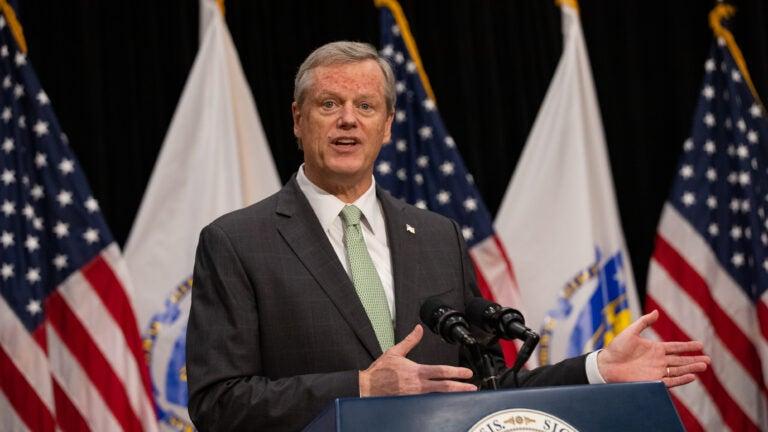
The Massachusetts House of Representatives has commenced its budget debate, focusing sharply on funding allocations for homeless shelters and public transit systems. As the state grapples with rising demand for social services and transportation infrastructure improvements, lawmakers are weighing critical decisions that could impact thousands of residents. This budget session comes amid growing public concern over shelter capacity and the need for reliable, accessible transit options throughout the Commonwealth.
Table of Contents
- Massachusetts House Tackles Funding Priorities for Homeless Shelters and Public Transit
- Key Proposals Spark Debate Over Resource Allocation and Community Impact
- Advocates Call for Increased Support and Enhanced Oversight in Shelter Programs
- Transit Officials Push for Expanded Services Amid Budget Constraints
- To Conclude
Massachusetts House Tackles Funding Priorities for Homeless Shelters and Public Transit
Lawmakers in the Massachusetts House have launched rigorous discussions on key budget allocations aimed at expanding support for homeless shelters and enhancing public transit infrastructure. With the state’s fiscal plan exceeding $60 billion, legislators are prioritizing investments that address the escalating housing crisis and the increasing demand for equitable transit options. The proposed funding measures focus on not only maintaining current services but also scaling capacity to better serve vulnerable populations across the Commonwealth.
Among the priorities under review are:
- Increased operational funding for homeless shelters to improve emergency response and expand safe housing availability during peak demand periods.
- Capital investments in public transit systems aimed at modernizing infrastructure, enhancing accessibility, and reducing carbon emissions.
- Support programs integrating housing and transit solutions, recognizing the critical link between stable housing and reliable transportation access.
These initiatives reflect a growing consensus among legislators to tackle systemic barriers through sustainable funding commitments, marking a significant step toward social equity and enhanced public services. As debate continues, stakeholders from across the state are closely monitoring the potential impacts these budgetary decisions will have on communities most in need.
Key Proposals Spark Debate Over Resource Allocation and Community Impact
Lawmakers are sharply divided over the proposed budget allocations for homeless shelters and public transit, igniting intense discussions on how best to balance immediate community needs with long-term fiscal responsibility. Advocates for increased shelter funding emphasize the critical need to address rising homelessness exacerbated by economic instability and housing shortages. They argue that without substantial investment, vulnerable populations face worsening conditions, while transit supporters focus on the urgent necessity to modernize infrastructure and expand services to reduce congestion and promote environmental sustainability.
The contentious debate has centered around several key points, including:
- Equitable distribution of resources between urban centers and suburban communities;
- Potential trade-offs between shelter expansions and transit improvements;
- Long-term impacts on economic growth, public health, and community cohesion;
- Accountability measures to ensure funds are utilized efficiently and transparently.
As deliberations continue, stakeholders remain watchful, aware that the final budget decisions will substantially shape the quality of life and mobility for thousands across the state.
Advocates Call for Increased Support and Enhanced Oversight in Shelter Programs
As the Massachusetts House embarks on the budget debate, advocates are urging lawmakers to prioritize increased funding and stronger oversight for shelter programs. Stakeholders emphasize that many shelters currently operate at capacity and with limited resources, hindering their ability to provide essential services such as food, emergency housing, and supportive workshops. Advocates stress that without a significant boost in investment, vulnerable populations-including individuals experiencing homelessness and noncitizens awaiting immigration proceedings-face heightened risks of inadequate care and displacement.
Key demands from advocates include:
- Expanded funding to enhance shelter capacity and sustainability
- Improved oversight mechanisms ensuring transparent and accountable use of public funds
- Integration of comprehensive services, such as rapid rehousing and street outreach, tailored to community needs
- Collaboration with state and federal agencies to optimize program effectiveness and resource distribution
Such calls reflect a growing recognition that shelter programs play a critical role not only in emergency response but also in long-term housing stability. Lawmakers face mounting pressure to respond decisively as debates unfold, balancing fiscal responsibility with the urgent social imperative of supporting those in crisis.
Transit Officials Push for Expanded Services Amid Budget Constraints
Transit officials in Massachusetts are advocating vigorously for an increase in funding to address growing demands on the state’s public transportation network. Despite facing significant budget constraints, leaders emphasize the critical need to maintain and expand services, particularly in underserved communities. They point to rising ridership and changing commuter patterns since the pandemic as evidence that current resources fall short of meeting public needs. Expanding evening and weekend routes, upgrading aging infrastructure, and accelerating the transition to more sustainable transit options are among their top priorities.
Key proposals include:
- Increasing financial support for expanded bus and commuter rail service hours
- Modernizing fleets to improve reliability and reduce emissions
- Enhancing accessibility measures for riders with disabilities
- Leveraging technology for real-time service updates and fare integration
Officials acknowledge the fiscal challenges but argue that strategic investments now will alleviate future costs linked to congestion, environmental impact, and economic inequity. They urge lawmakers to consider the broader societal benefits of a robust transit system, including job access and reduced carbon footprint, even as budget debates continue to wrestle with competing priorities.
To Conclude
As the Massachusetts House launches into its budget debate on shelters and transit funding, stakeholders and residents alike will be watching closely to see how lawmakers balance urgent social needs with fiscal realities. The decisions made in the coming weeks will shape the state’s approach to homelessness and public transportation for the year ahead, with implications for communities across Massachusetts. Lawmakers face the challenge of crafting a budget that addresses immediate crises while laying groundwork for longer-term stability and growth. The debate is expected to continue intensifying as advocates, officials, and constituents weigh in on the priorities that will define the Commonwealth’s path forward.