
In recent years, the landscape of addiction and substance use treatment has been profoundly reshaped by a wave of innovative therapies and cutting-edge approaches. From medication-assisted treatments to digital interventions, these advancements are delivering new hope for individuals struggling with addiction, offering more personalized, effective, and accessible care. As the opioid crisis and substance misuse continue to challenge public health systems globally, these transformative treatments are paving the way toward improved recovery outcomes and reduced relapse rates, signaling a critical shift in how addiction is understood and managed.
Table of Contents
- Innovative Therapies Redefine Recovery Pathways for Addiction Patients
- Cutting Edge Technologies Enhance Personalized Substance Use Treatment
- Integrating Mental Health and Addiction Care Improves Long-Term Outcomes
- Experts Advocate for Policy Reforms to Support Treatment Accessibility and Innovation
- Final Thoughts
Innovative Therapies Redefine Recovery Pathways for Addiction Patients
Groundbreaking advancements in addiction treatment are reshaping how recovery is approached,offering renewed hope for patients battling substance use disorders. Harnessing the power of personalized medicine, clinicians are now integrating technologies such as digital therapeutics, neurofeedback, and pharmacogenomics to tailor interventions that address the biological and psychological complexities unique to each individual. This multifaceted approach not only enhances treatment efficacy but also minimizes relapse risks by targeting neural circuits implicated in addiction.
Emerging therapies emphasize holistic care frameworks that combine customary counseling with innovative modalities, including:
- Mindfulness-Based Relapse Prevention (MBRP) to cultivate stress management and emotional regulation
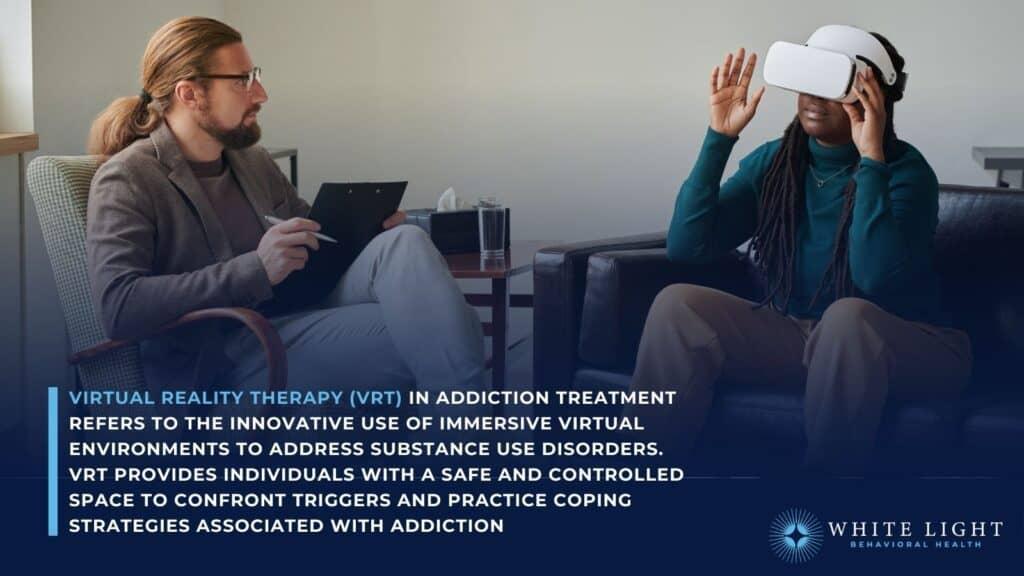
- Virtual Reality Exposure Therapy (VRET) enabling controlled risk environment simulations
- Biomarker-based monitoring for real-time insight into physiological responses
These cutting-edge treatments underscore a critical shift toward evidence-driven,patient-centered care with the promise of transforming long-term outcomes in addiction recovery.
Cutting Edge Technologies Enhance Personalized Substance Use Treatment
Advancements in technology are rapidly reshaping personalized substance use treatment,offering new hope for individuals battling addiction. Cutting-edge tools like AI-driven diagnostics, wearable biosensors, and telehealth platforms enable clinicians to develop highly tailored treatment plans that reflect each patient’s unique physiological and psychological profile. These innovations facilitate real-time monitoring of substance intake,craving patterns,and emotional triggers,allowing interventions to be adjusted dynamically for optimal effectiveness. Moreover, integrating genetic and neuroimaging data into treatment design is unveiling deeper insights into addiction mechanisms, empowering care providers to anticipate relapse risks with unprecedented accuracy.
Digital therapeutics and virtual reality (VR) are gaining traction as immersive and personalized components of recovery programs. VR therapies simulate real-world scenarios to help patients practice coping skills in safe, controlled environments, while mobile apps equipped with AI provide 24/7 support, enabling continuous engagement beyond traditional clinical settings. Key technology-driven advantages include:
- Enhanced patient-clinician communication through secure digital channels
- Data-driven customization based on behavioral patterns and biometric feedback
- Increased accessibility to treatment via remote and on-demand resources
- Reduction of stigma by offering discreet care options
These innovations signify a transformative shift toward more responsive, personalized, and effective addiction care models.
Integrating Mental Health and Addiction Care Improves Long-Term Outcomes
Emerging research underscores the vital connection between mental health and addiction treatment, revealing that holistic approaches addressing both simultaneously significantly enhance recovery success. Patients facing co-occurring disorders benefit from integrated care models that combine psychological support with substance use interventions, leading to sustained sobriety and improved emotional well-being. This approach recognizes that untreated mental health issues, such as anxiety or depression, often fuel addictive behaviors, creating a cycle difficult to break without comprehensive care.
Key advantages of integrated mental health and addiction services include:
- Streamlined access to coordinated therapies tailored to individual needs
- Reduction in relapse rates by addressing root psychological triggers
- Improved patient engagement through cohesive care plans
- Enhanced long-term management of both mental health symptoms and substance use
By bridging the gap between traditional psychiatric care and addiction treatment, healthcare providers are cultivating more resilient recovery pathways. This evolution in care aligns with growing evidence that mental health shapes how individuals manage stress, make choices, and relate socially-critical factors in overcoming substance dependence and achieving lasting health improvements.
Experts Advocate for Policy Reforms to Support Treatment Accessibility and Innovation
Leading experts emphasize the urgent need for comprehensive policy reforms that not only expand treatment accessibility for individuals battling addiction but also foster innovation in therapeutic approaches. Recognizing addiction as a complex brain disorder, they argue that existing regulatory frameworks often hinder the rapid translation of scientific breakthroughs into real-world care. Key advocates call for policies that:
- Increase funding for evidence-based treatment programs.
- Encourage public-private partnerships to accelerate drug development.
- Remove barriers to integrating novel therapies into mainstream healthcare systems.
- Support training and education initiatives to enhance provider expertise.
Further,these reforms aim to dismantle stigma and promote a holistic model of addiction treatment that aligns with the brain-centric understanding of substance use disorders. Experts underscore that lasting recovery is contingent on sustained support and the availability of cutting-edge interventions designed to address the neural circuitry involved. By aligning policy with scientific advancements, they foresee a future where addiction care is more responsive, personalized, and effective in sustaining long-term wellness.
Final Thoughts
As the landscape of addiction treatment continues to evolve, innovative approaches grounded in scientific research offer renewed hope for individuals and families affected by substance use disorders. By understanding addiction as a chronic brain disease and leveraging evidence-based therapies, the future of care is not only about managing symptoms but enabling lasting recovery and improved quality of life. With ongoing advancements, addiction treatment is increasingly transforming from a one-size-fits-all model into personalized, comprehensive care that addresses the complex realities of addiction. The momentum built by these breakthroughs signals a new era-one where recovery is not just possible, but achievable for millions across the nation.