A gold-colored steel arch now stands above East Boston’s Golden Stairs, marking a route thousands of immigrants took from the waterfront roughly a century ago. Called “Arrival,” the installation is the first in a planned collection of five arches recognizing the neighborhood’s past and its continuing evolution.
The arch sits in a small park above the 58 concrete steps near the Marginal Street shipyard. Today, runners use the climb for exercise. A century earlier, immigrants ascended from the piers below as they began their lives in America, according to GBH’s Oct. 22 report.
The installations make up “The Threshold Series,” part of a cultural trail named The Golden Thread. Creator David Lank, founder of the nonprofit Project Starboard, intends the effort to become a lasting way to recognize East Boston’s role in the region, encompassing its cultural life, transportation connections and maritime industry.
Project Starboard is scheduled to introduce The Golden Thread at an Oct. 24 event at The Tall Ship. The gathering will include a neighborhood history tour and food. Admission is $75, with lower-priced community tickets also available, GBH reported.
A neighborhood story in five parts
Lank works in real estate and moved to East Boston more recently. His interest in local history led to a lengthy conversation with state Rep. Adrian Madaro at a brewery gathering last year about how to give the neighborhood’s past greater visibility.
Madaro helped obtain $10,000 in state support for the project. The organizations hosting the installations are the city, Massport and the East Boston Community Development Corporation.
The immigration history recognized by “Arrival” includes a waterfront station that opened in 1919 as a detention facility. It was torn down in 2011. In discussing the project with GBH, Madaro contrasted the loss of that building with the museum recognition given to immigration history at Ellis Island.
The other arches broaden the trail beyond immigration. “Crossing” focuses on East Boston’s links with downtown and places farther away, including the underwater transit tunnel that opened for streetcars in 1904. The tunnel now carries the MBTA’s Blue Line.
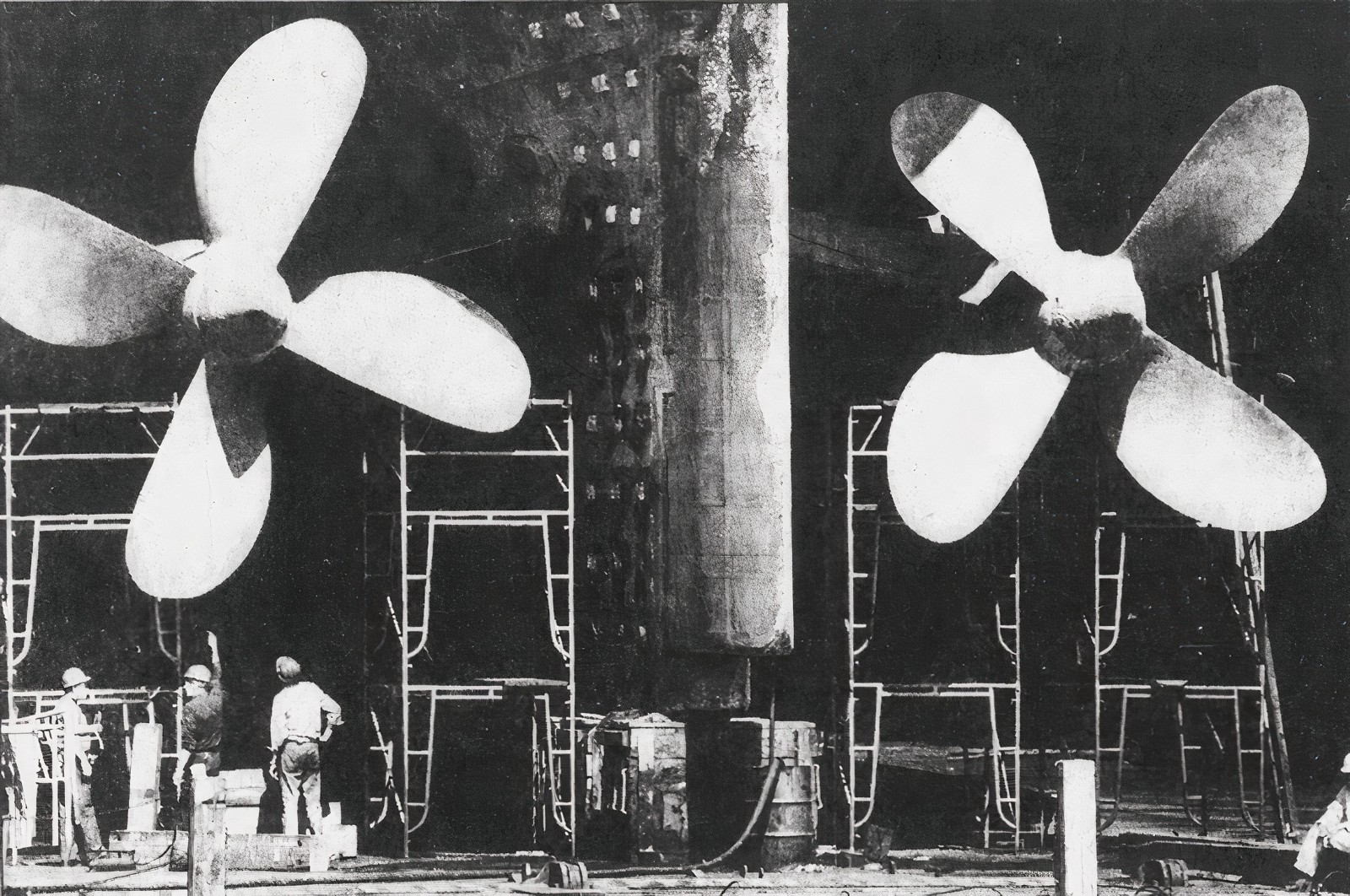
“Making” recognizes the neighborhood’s shipbuilding heritage. “Neighbors” turns to community activism, including residents’ responses to Logan Airport and efforts to improve neighborhood open space.
Debra Cave, who chairs the East Boston Museum and Historical Society, told GBH that the loss of Wood Island Park helped galvanize local activism. She also pointed to Mary Ellen Welch’s work with other residents to transform an unattractive, tar-covered corridor into the Greenway.
The fifth arch, “Adaptation,” is intended to draw attention to a future route for floodwaters. GBH reported that it had not yet been installed, underscoring that the five-part project remains unfinished.
What’s next: The Oct. 24 unveiling will offer a history tour tied to the project. Lank also hopes to incorporate the history of the Wampanoag and other Indigenous peoples into the broader effort.