
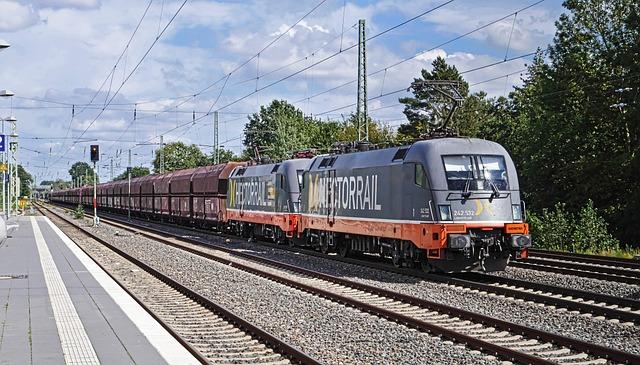
The North-South Rail Link Project, a critical infrastructure initiative aimed at enhancing connectivity between northern and southern regions, has entered a decisive phase with significant progress reported on construction and planning fronts. As stakeholders evaluate the next steps, the future of this ambitious project holds promising prospects for transforming regional transportation, boosting economic growth, and fostering greater integration. This article examines the latest developments, ongoing challenges, and potential impact of the North-South Rail Link as it moves closer to realization.
Table of Contents
- Background and Current Status of the North-South Rail Link Project
- Key Challenges Impacting Progress and Potential Solutions
- Economic and Environmental Benefits Driving Project Support
- Strategic Recommendations for Accelerating Completion and Enhancing Impact
- To Conclude
Background and Current Status of the North-South Rail Link Project
The North-South Rail Link project has long been envisioned as a transformative solution to connect Boston’s major commuter rail hubs, enhancing regional mobility and easing congestion. Initially proposed decades ago, the project aims to link the MBTA’s North and South Stations through a tunnel system beneath the city, resolving the current disconnected rail networks that force costly transfers. Recent feasibility reassessments have reaffirmed the critical need for this infrastructure, highlighting its potential to increase capacity and streamline transit across Massachusetts, New England, and the broader Northeast Corridor. The design contemplates distinct portals on both the north and south ends of Boston, descending into a twin-tunnel system beneath the Central Artery, which would integrate seamlessly with existing services while allowing future expansion possibilities.
- Improved connectivity: Direct rail service linking the north and south networks without transfers
- Capacity expansion: Additional track capacity to accommodate growing commuter demand
- Operational efficiency: Reduction in travel times and delays associated with station transfers
- Regional impact: Strengthens the economic linkage between Boston and surrounding metropolitan areas
Currently, the project remains in the planning and feasibility study phases, where detailed engineering and cost evaluations are underway. The reassessment highlights key challenges such as construction complexity, funding, and environmental considerations but underscores strong stakeholder support from transit authorities, government officials, and the public. Strategic alignment options continue to be refined to balance technical feasibility with urban preservation. With growing consensus on the significant long-term benefits to Massachusetts’ transit ecosystem, advanced planning efforts pave the way for potential groundbreaking in the coming years, marking a historic step in the Northeast’s rail infrastructure development.
Key Challenges Impacting Progress and Potential Solutions
The North-South Rail Link Project faces significant hurdles that have slowed its momentum, primarily stemming from complex funding mechanisms and regulatory approvals. Budgetary constraints remain a persistent challenge,with fluctuating governmental priorities affecting consistent financial backing. Additionally, environmental impact assessments and land acquisition complications have introduced delays, as multiple stakeholders raise concerns over ecological preservation and community displacement.These issues combine to create a landscape where progress is often unpredictable and subject to extensive negotiation.
Despite these obstacles, innovative solutions are emerging to keep the project on track. Public-private partnerships are increasingly being explored to diversify funding streams and share risk. Streamlining regulatory processes through dedicated task forces aims to expedite approvals without compromising community and environmental standards. Moreover,adaptive project planning incorporates modular construction techniques and stakeholder engagement platforms to address concerns dynamically. Key strategies moving forward include:
- Enhanced stakeholder interaction to foster transparency and trust
- Smart funding models leveraging private investment and government grants
- Tech-driven environmental monitoring to minimize disruption and maintain compliance
Collectively,these efforts could transform the project from a prolonged vision into a tangible reality,bridging the North-South divide with a sustainable and efficient rail network.
Economic and Environmental Benefits Driving Project Support
The anticipated North-South Rail Link is poised to become a catalyst for robust economic growth, enhancing connectivity between key urban centers and unlocking new commercial opportunities. By reducing transit times and facilitating smoother freight movement, the project is expected to boost productivity and attract significant private investment across multiple sectors. Key economic benefits include:
- Job creation during both construction and operational phases, stimulating local economies.
- Increased access to markets for SMEs, fostering entrepreneurship and regional development.
- Enhanced tourism potential due to improved transportation infrastructure.
From an environmental perspective, the rail link promises considerable reductions in carbon emissions by shifting freight and passenger traffic from road to rail, a more sustainable mode of transport. Analysts highlight the following ecological advantages:
- Decreased reliance on fossil-fuel-intensive vehicles,contributing to cleaner air quality.
- Lower greenhouse gas emissions, aligning with national climate targets.
- Promoting sustainable land use through efficient transit corridors that minimize urban sprawl.
Strategic Recommendations for Accelerating Completion and Enhancing Impact
To expedite the North-South Rail Link project, it is imperative to adopt a multi-pronged approach centered on innovation and collaboration. Prioritizing the integration of cutting-edge construction technologies and digital project management tools can substantially reduce bottlenecks and ensure real-time tracking of progress. Additionally, fostering stronger partnerships between government bodies, private sector stakeholders, and local communities will drive more cohesive decision-making and resource allocation. Key focus areas include:
- Streamlining regulatory approvals through a centralized oversight mechanism
- Enhancing workforce training programs to boost construction efficiency and safety
- Implementing modular construction techniques to accelerate assembly
- Leveraging public-private partnerships to secure sustainable funding streams
Beyond completion speed, maximizing the project’s long-term impact requires a strategic vision that aligns infrastructure development with broader economic and social goals. Emphasizing sustainable design principles and connectivity to existing transport networks will elevate the project’s role as a catalyst for regional growth. Moreover, embedding digital infrastructure and smart solutions will improve operational efficiency and passenger experience while reducing environmental footprints. Recommendations to enhance impact:
- Integrate green technologies and promote energy efficiency throughout the rail system
- Ensure multimodal connectivity to facilitate seamless transit options
- Engage local stakeholders continuously to reflect evolving community needs
- Develop an adaptive management framework to respond swiftly to challenges and opportunities
To Conclude
As the North-South Rail Link project continues to evolve, its potential to transform Boston’s commuter rail landscape remains significant. By bridging the divide between North Station and South Station, the project promises enhanced regional connectivity, reduced travel times, and a more integrated transit network for Massachusetts and beyond. While challenges remain,ongoing feasibility studies and planning efforts underscore a growing commitment to bringing this vision to fruition. Stakeholders and commuters alike await further developments with cautious optimism, hopeful that the North-South Rail Link will soon become a vital artery in the region’s transportation infrastructure, shaping the future of travel in the Northeast for decades to come.
For continued updates on the North-South Rail Link and related transit projects, stay tuned to official MBTA releases and regional transportation reports.