
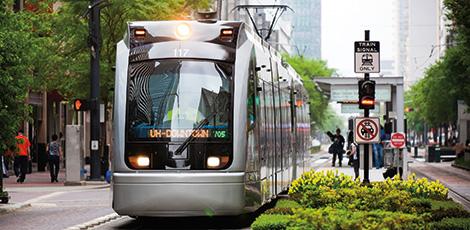
As cities and regions around the world grapple with increasing transportation demands and environmental challenges, experts emphasize that strengthening regional collaboration is crucial to developing effective and sustainable transport solutions. By fostering cooperative planning, resource sharing, and coordinated policies across neighboring jurisdictions, regional partnerships are poised to drive innovation and efficiency in public transit, infrastructure investment, and mobility services. This growing focus on regional cooperation marks a pivotal step toward addressing the complex,interconnected issues shaping the future of transportation.
Table of Contents
- The Importance of Unified Planning in Regional Transport Networks
- Breaking Down Barriers to Cross-Border Infrastructure Projects
- Leveraging Technology to Enhance Multimodal Connectivity
- Policies and Partnerships Driving Sustainable Transport Innovations
- Key Takeaways
The Importance of Unified Planning in Regional Transport Networks
Unified planning across regional transport networks is no longer a luxury but a necessity.As urban areas expand and economic activities intensify, fragmented approaches lead to inefficiencies, increased congestion, and duplicated efforts. By adopting a consolidated framework where policies, infrastructure development, and operational strategies are harmonized, regions can optimize resource allocation and create seamless mobility experiences for commuters and freight alike. This integration fosters resilience against disruptions, whether environmental or economic, allowing for responsive and adaptive transport solutions.
Key benefits of a unified regional transport strategy include:
- Enhanced connectivity between urban and rural zones, boosting economic integration and accessibility.
- Streamlined governance which reduces bureaucratic hurdles and accelerates project delivery.
- Consistent regulatory frameworks ensuring equitable service standards and safety protocols across jurisdictions.
- Improved environmental outcomes through coordinated planning of sustainable transport modes and reduction of overlapping infrastructure.
In essence,unified regional planning lays the groundwork for a future-proof transport ecosystem that supports growth,sustainability,and quality of life for all stakeholders involved.
Breaking Down Barriers to Cross-Border Infrastructure Projects
Leveraging Technology to Enhance Multimodal Connectivity
Advanced digital platforms are revolutionizing the way different transport modes communicate and coordinate, making regional networks more efficient and resilient. By integrating real-time data sharing across buses, trains, bicycles, and ride shares, technology creates seamless transitions between transport options. This interconnected system supports dynamic scheduling, reduces waiting times, and enhances passenger experience, enabling commuters to plan journeys with confidence using a single app interface.
Emerging tools such as AI-powered traffic management, IoT-enabled infrastructure, and augmented reality wayfinding are elevating the concept of multimodal travel from theory to practice. Key benefits include:
- Optimized route planning through predictive analytics that adapt to changing traffic patterns.
- Improved safety by monitoring vehicle and pedestrian movements in real time.
- Enhanced accessibility for differently-abled travelers via personalized multimodal guidance.
As regions increasingly adopt these innovations,collaborative investment in technology infrastructure becomes vital to unlocking a future where transport modes not only coexist but actively support one another for sustainable urban mobility.
Policies and Partnerships Driving Sustainable Transport Innovations
Governments and private sectors worldwide are increasingly forging robust alliances to pioneer sustainable transport solutions. These collaborations emphasize not only financial incentives and regulatory frameworks but also the integration of cutting-edge technologies like hydrogen-powered trains and digital smart transport hubs. By fostering cross-border partnerships, regions can accelerate green logistics infrastructure development, including networks for clean fueling and sustainable warehouses, which are critical to meeting ambitious climate goals. Strong policy alignment enables stakeholders to leverage shared expertise and resources, driving innovation in emissions reduction and operational efficiency.
Key policy measures and partnership strategies include:
- Establishing unified green standards and incentives across regions to attract investment in low-carbon transport.
- Promoting public-private partnerships focused on digital platforms that enhance routing,tracking,and system resilience.
- Investing in research and pilot projects for emerging technologies such as hydrogen mobility and AI-enabled logistics management.
- Encouraging knowledge exchange through international forums and joint ventures to scale solutions rapidly.
Such coordinated efforts not only help reduce global carbon emissions but also ensure that emerging economies can lead the charge by implementing innovative,scalable solutions. The synergy between policy frameworks and collaborative ventures is proving indispensable in reshaping the future of transportation toward a more sustainable and inclusive model.
Key Takeaways
As regions continue to grapple with the complex demands of modern transportation, the imperative for enhanced collaboration becomes ever clearer. By breaking down barriers and fostering unified strategies, regional partners can unlock innovative solutions that address congestion, sustainability, and efficiency. The future of transport hinges not just on cutting-edge technology but on the strength of these collective efforts. Moving forward, it is this spirit of cooperation that will drive resilient, inclusive, and forward-thinking transport systems, shaping how people and goods move seamlessly across borders in the years to come.