
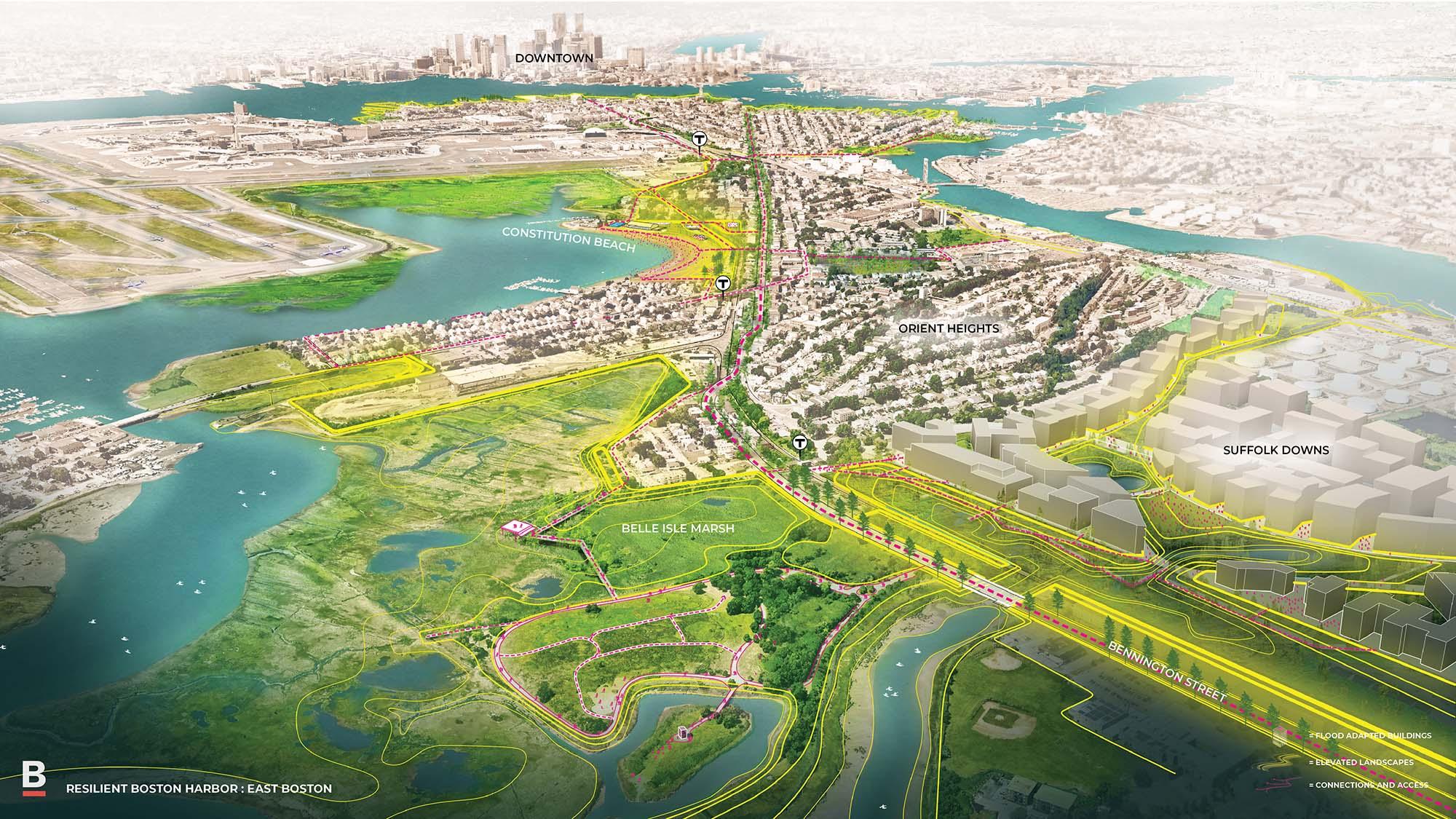
Boston has announced a comprehensive and forward-thinking initiative aimed at bolstering its defenses against rising sea levels and increasing storm threats. The newly unveiled coastal resiliency plan outlines a series of infrastructure projects, environmental restoration efforts, and community engagement programs designed to safeguard the city’s waterfront neighborhoods and vital economic assets. As climate change continues to pose significant challenges to coastal cities worldwide, Boston’s strategy represents a proactive approach to protecting its residents and preserving its historic shoreline for future generations.
Table of Contents
- Boston’s Comprehensive Strategy to Combat Rising Sea Levels
- Innovative Infrastructure Projects to Safeguard Vulnerable Neighborhoods
- Community Engagement and Partnerships Driving Local Resilience Efforts
- Policy Recommendations to Accelerate Coastal Protection and Adaptation
- To Conclude
Boston’s Comprehensive Strategy to Combat Rising Sea Levels
Boston’s approach to addressing the threat of rising sea levels blends innovation with community engagement. The plan includes the construction of advanced flood barriers, the expansion of green infrastructure such as wetlands and urban parks, and the reinforcement of critical transportation routes. By fostering partnerships between city planners, scientists, and local neighborhoods, Boston aims to ensure both ecological preservation and public safety are prioritized. The city is also investing in cutting-edge monitoring systems to provide real-time data on water levels and weather patterns, enabling quicker emergency responses.
In addition to physical infrastructure improvements, Boston’s strategy emphasizes educational outreach and equitable adaptation measures. Key initiatives focus on:
- Supporting vulnerable communities with tailored resilience programs
- Incorporating climate resilience into building codes and zoning laws
- Promoting sustainable development practices to reduce future risks
- Facilitating public workshops to increase awareness of climate change impacts
Collectively, these efforts not only aim to safeguard the coastline but also to foster a resilient urban ecosystem capable of thriving amid changing environmental conditions.
Innovative Infrastructure Projects to Safeguard Vulnerable Neighborhoods
Boston’s latest initiative deploys cutting-edge engineering to transform its coastline into a formidable barrier against rising tides and storm surges. Central to the plan are multi-use sea walls designed not only to prevent flooding but also to enhance public green spaces with integrated walking paths and seating areas. These barriers will be reinforced by natural elements such as restored marshlands and oyster reefs, which act as living defenses that absorb wave energy while supporting local biodiversity. The project also introduces advanced floodgate systems at critical waterway junctions, ensuring neighborhoods remain dry even during severe weather events.
Community engagement lies at the heart of these infrastructure enhancements, reflecting a commitment to equitable protection for historically underserved districts. The plan includes stormwater management upgrades featuring permeable pavements and expanded underground reservoirs to mitigate urban flooding. Collaborations with technology firms will deploy real-time monitoring sensors throughout the city, enabling rapid response to changing conditions. This holistic approach not only fortifies Boston against climate threats but also promotes resilience through sustainable, adaptive design focused on long-term neighborhood vitality.
- Multi-use sea walls with recreational spaces
- Natural marshland and oyster reef restoration
- Advanced stormwater management systems
- Real-time flood monitoring technology
- Community-driven equitable infrastructure upgrades
Community Engagement and Partnerships Driving Local Resilience Efforts
At the heart of Boston’s coastal resiliency efforts is a robust network of collaboration spanning local residents, nonprofits, businesses, and government agencies. These partnerships have fostered a dynamic exchange of ideas and resources, ensuring solutions are both innovative and rooted in community needs. Grassroots organizations have played an instrumental role by mobilizing neighborhood volunteers and providing critical on-the-ground insights that help tailor interventions for vulnerable areas. This synergy exemplifies how collective action strengthens the city’s adaptive capacity against rising sea levels and storm surges.
The city’s approach leverages diverse expertise, from environmental scientists to urban planners, while emphasizing inclusivity in decision-making. Notable initiatives include:
- Community-led workshops on emergency preparedness and resilience education.
- Collaborative pilot projects integrating green infrastructure within public spaces.
- Public-private partnerships to fund advanced monitoring systems for coastal threats.
These efforts highlight how strategic alliances empower Boston’s neighborhoods, transforming resilience into a shared commitment that transcends individual sectors and builds a safer, more adaptive future.
Policy Recommendations to Accelerate Coastal Protection and Adaptation
To enhance the city’s resilience against rising sea levels and extreme weather events, policymakers must prioritize comprehensive zoning reforms that restrict development in vulnerable coastal areas. Investing in nature-based solutions, such as restoring marshlands and constructing living shorelines, offers sustainable protection while supporting biodiversity. Furthermore, accelerating grant programs to fund innovative flood defense technologies will enable neighborhoods to deploy adaptive infrastructure more rapidly. Strengthening partnerships between municipal agencies, community organizations, and academic institutions is essential for fostering collaborative monitoring and adaptive management strategies that respond to evolving climate threats.
Equally critical is the integration of equitable funding mechanisms that ensure vulnerable and underserved communities receive targeted assistance for resilience planning and emergency preparedness. Incorporating local knowledge and priorities into policy design will promote inclusivity and social justice. Policymakers should also streamline permitting processes for resilience projects to avoid delays and legal hurdles, enabling timely implementation. Finally, establishing robust public communication campaigns to increase transparency and community engagement can build long-term support for coastal adaptation measures and facilitate behavioral changes critical to the city’s future safety.
To Conclude
Boston’s ambitious coastal resiliency plan marks a significant step forward in addressing the escalating threats posed by climate change and rising sea levels. As the city moves from blueprint to implementation, the success of these measures will serve as a critical test case for urban centers worldwide. With collaboration across government agencies, experts, and the community, Boston aims to protect its shores and safeguard its future-setting a precedent for resilience in an increasingly uncertain climate landscape.