
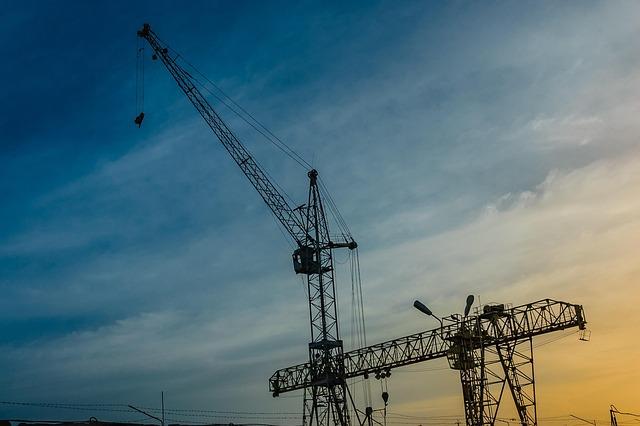
The Allston Multimodal Project continues to advance, marking meaningful progress in the transformation of Boston’s transportation infrastructure.Designed to improve connectivity and ease congestion, this ambitious initiative integrates multiple modes of transit, including rail, road, and bicycle pathways. Recent updates reveal key construction milestones and upcoming phases, underscoring the project’s pivotal role in enhancing commuter experience and urban mobility in the region. This report provides the latest developments and what residents and travelers can expect in the coming months.
Table of Contents
- Allston Multimodal Project Reaches Key Construction Milestones
- Detailed Insights into Traffic Flow Improvements and Safety Measures
- Community Engagement Efforts Drive Design Adjustments
- Recommendations for Navigating Upcoming Detours and Service Changes
- Key Takeaways
Allston Multimodal Project Reaches Key Construction Milestones
Significant strides have been made in the Allston Multimodal Project as it successfully clears crucial construction benchmarks ahead of schedule. Recent developments include the completion of foundational work for the new commuter rail bridge,along with considerable progress on pedestrian and bicycle pathways designed to enhance connectivity in the region. These advances not only demonstrate efficient project management but also underline the commitment to improving transit infrastructure with minimal disruption to daily commuters.
Key achievements in this phase encompass:
- Installation of advanced drainage systems to ensure long-term resilience against weather impacts
- Construction of foundational supports for multimodal transit hubs integrating rail, bus, cycling, and pedestrian networks
- Implementation of state-of-the-art safety features aligning with the latest transportation standards
These milestones mark a pivotal point as the project moves toward the next phase, promising enhanced transportation options and improved commuter experiences across Allston and beyond.
Detailed Insights into Traffic Flow Improvements and Safety Measures
The Allston Multimodal Project is making significant strides in enhancing traffic efficiency while prioritizing public safety. Innovative traffic signal timing adjustments have been implemented to reduce congestion during peak hours, resulting in smoother vehicle flow along major corridors. Moreover, redesigned intersections now feature extended turning lanes and improved lane markings, which collectively minimize bottlenecks and decrease travel time.These adjustments are complemented by upgraded pedestrian crossings, utilizing high-visibility signals and countdown timers to ensure safer navigation for foot traffic across busy streets.
Safety remains a cornerstone of the project with several new measures introduced to protect all users of the transportation network. Key initiatives include:
- Enhanced bike lanes: physically separated paths have been added to reduce conflicts between cyclists and vehicles.
- Improved lighting: upgraded streetlights provide better visibility during night hours,deterring accidents in high-risk zones.
- Traffic calming features: such as raised crosswalks and curb extensions increase awareness and slow vehicular speed near pedestrian areas.
These combined improvements are expected not only to streamline multimodal travel but also to cultivate a safer surroundings for residents and commuters alike.
Community Engagement Efforts Drive Design Adjustments
Extensive feedback gathered from neighborhood forums,local businesses,and transit users has prompted a series of significant design revisions aimed at enhancing accessibility and livability. These adjustments include the incorporation of wider pedestrian walkways, improved lighting features for safety, and reconfigured bike lanes to better integrate with existing routes. The project team has emphasized transparency, hosting multiple engagement sessions to ensure residents’ voices meaningfully influence the evolving plans.
Key revisions driven by community input include:
- Enhanced crosswalk visibility and timing to prioritize pedestrian flow
- Noise mitigation measures near residential areas
- Public plaza expansions to foster local gathering and cultural events
- Better signage and wayfinding tailored to commuter needs
By directly incorporating these insights, the Allston Multimodal Project is positioning itself as a model for responsive urban design that harmonizes infrastructure improvements with community priorities. This collaborative approach aims not only to improve transit efficiency but also to enrich the neighborhood’s quality of life for years to come.
Recommendations for Navigating Upcoming Detours and Service Changes
Commuters and residents are advised to plan their routes ahead to minimize disruptions during the Allston Multimodal Project’s ongoing phase. Alternative paths such as the Arsenal Street detour will be clearly marked and regularly updated. Public transit users should anticipate changes in bus and shuttle schedules, with enhanced signage and digital alerts to support real-time navigation. Riders are encouraged to use mobile transit apps for updated departure times and temporary stop relocations.
For motorists, consider these key tips to maintain smooth travel:
- Allow additional travel time during peak hours to account for slower traffic flow.
- Utilize Park & Ride facilities to ease congestion in core construction zones.
- Stay informed through official project channels to receive timely service change announcements.
- Consider bicycle routes enhanced under the project as a sustainable and efficient alternative.
Key Takeaways
As the Allston Multimodal Project continues to evolve, stakeholders remain committed to enhancing connectivity and improving transit options in the region.With construction milestones steadily being reached, the project promises to transform daily commutes and bolster local infrastructure. Regular updates will be essential to keeping the public informed as the initiative advances toward completion, marking a significant step forward in Boston’s transportation future.