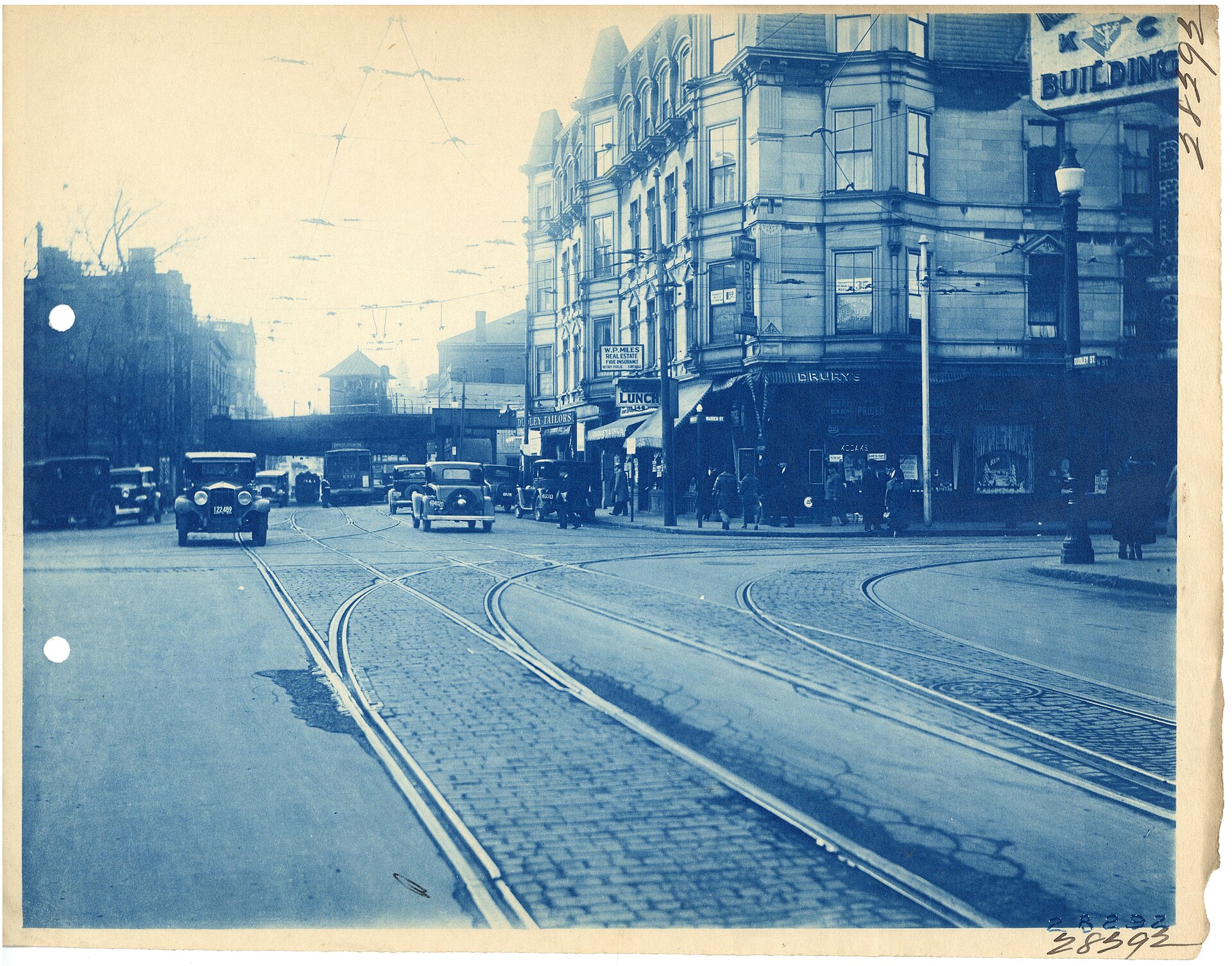



The Massachusetts Bay Transportation Authority (MBTA) has unveiled its early 2025 construction plan focusing on critical infrastructure improvements, including bridges and access points across its transit network. This initiative aims to enhance safety, accessibility, and reliability for commuters, signaling a important investment in maintaining and upgrading key transportation assets. The scheduled projects are expected to address longstanding structural concerns while supporting the MBTA’s broader commitment to modernizing Massachusetts’ public transit system.
Table of Contents
- MBTA Prioritizes Safety Enhancements in Bridge Renovation Projects
- Detailed Timeline Outlines Key Access Improvements across Service Areas
- Community Impact Mitigation Strategies Addressed in Early Planning
- Recommendations for Stakeholder Engagement and Transparent Communication
- The Conclusion
MBTA Prioritizes Safety Enhancements in Bridge Renovation Projects
Safety remains the cornerstone of the MBTA’s ambitious bridge renovation agenda slated for early 2025. Each bridge targeted for betterment will undergo rigorous structural assessments and upgrades to ensure compliance with the latest safety standards. The MBTA is leveraging advanced engineering techniques and materials designed to extend service life while safeguarding daily commuters, freight operations, and maintenance crews alike.
Key components of the initiatives include:
- Reinforcement of load-bearing elements to withstand increasing traffic demands and environmental stresses;
- Installation of state-of-the-art monitoring systems for real-time condition tracking and proactive maintenance alerts;
- Enhanced pedestrian and crew safety features such as improved railings,anti-slip surfaces,and safer access points;
- Implementation of innovative construction methods to minimize service disruption and maximize durability.
Detailed Timeline Outlines Key Access Improvements across Service Areas
Early 2025 marks the beginning of a comprehensive schedule focusing on critical access upgrades across multiple MBTA service areas. This initiative targets enhancing infrastructure resilience and rider convenience by prioritizing key bridge rehabilitations and accessibility enhancements. Project milestones have been carefully staggered to minimize disruptions, with strategic attention given to high-traffic zones and historically underserved neighborhoods. Among the planned actions are:
- Reconstruction and widening of select commuter rail bridges to improve safety and reduce bottlenecks.
- Installation of ADA-compliant ramps, tactile warning strips, and enhanced signage to facilitate ease of movement for all passengers.
- Integration of new pedestrian pathways and upgraded bus stops to support multimodal connectivity.
- Implementation of advanced traffic signal coordination to improve transit flow during peak hours.
The timeline reflects a phased approach, balancing urgency with practicality, ensuring that operations continue smoothly amid construction. Stakeholders anticipate that these improvements will not only reduce delays but also promote equitable transportation access, reinforcing MBTA’s commitment to serving diverse communities. Regular progress updates and community outreach plans are embedded within the schedule to maintain openness and foster public engagement throughout the project duration.
Community Impact Mitigation Strategies Addressed in Early Planning
Early engagement with local communities has been a cornerstone of MBTA’s planning process for the 2025 bridge and access improvements. The authority prioritized open forums and consultations to identify resident concerns related to noise, traffic disruptions, and safety during the construction phase. Proactive measures such as coordinated construction schedules aim to minimize peak-hour disturbances and preserve neighborhood accessibility. Through these efforts, MBTA seeks to uphold transparent communication and foster trust with stakeholders impacted by the upcoming works.
Key strategies under consideration include:
- Implementation of advanced noise reduction technologies on construction equipment and activity zones.
- Enhanced traffic management plans to maintain smooth vehicular and pedestrian flow.
- Provision of alternative routes and shuttle services to alleviate potential commute delays.
- Dedicated community liaison teams to provide timely updates and address real-time concerns.
These carefully tailored mitigation approaches reflect MBTA’s commitment to balancing infrastructure progress with quality of life preservation for surrounding populations.
Recommendations for Stakeholder Engagement and Transparent Communication
To effectively manage the diverse interests linked to the MBTA bridge and access upgrades, maintaining open and transparent communication channels with all stakeholders is essential. Proactive engagement should prioritize regular updates delivered through multiple formats-including public meetings, digital newsletters, and dedicated project websites-to ensure all parties are informed and can provide timely feedback. Special attention must be given to local communities, commuters, and small businesses, whose daily activities will directly be impacted by construction schedules and access modifications.
Implementing a structured stakeholder engagement plan involves:
- Establishing clear points of contact to facilitate immediate responses to concerns.
- Leveraging both traditional and social media platforms for widespread outreach and real-time updates.
- Organizing interactive forums to foster dialog and build trust among residents, officials, and contractors.
- Ensuring transparency in project timelines and decision-making processes, thereby minimizing uncertainty and speculation.
The Conclusion
As the MBTA moves forward with its early 2025 construction plan focused on bridges and accessibility improvements, the transit authority signals a commitment to enhancing safety, reliability, and rider experience across the network. These strategic infrastructure upgrades are set to play a crucial role in supporting the region’s growing transit demands, ensuring the system remains robust and accessible for all users in the years ahead. Stakeholders and riders alike will be watching closely as these projects advance,marking a significant step in the ongoing modernization of Boston’s public transportation landscape.