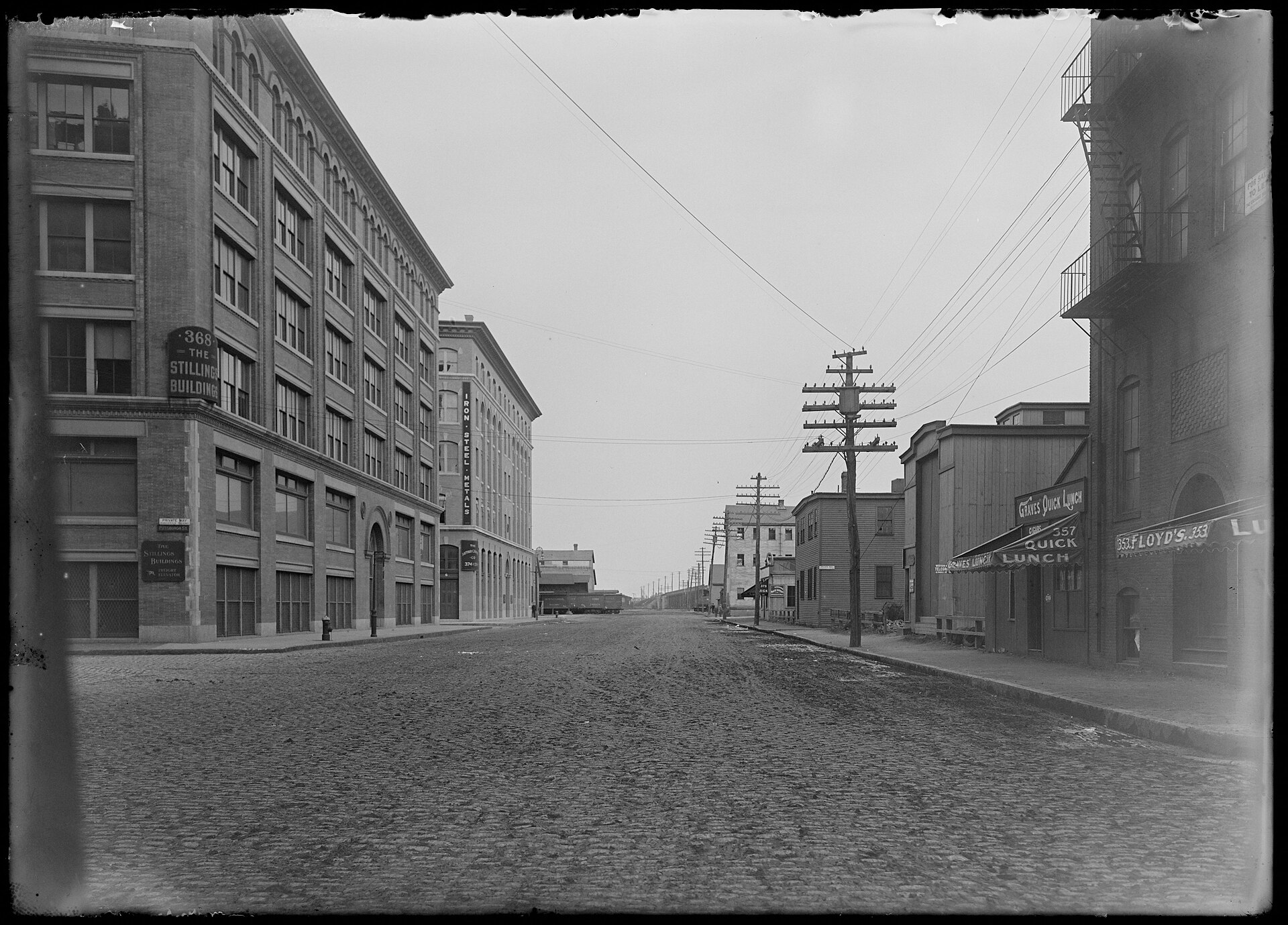
BOSTON — Fort Point’s concentration of historic industrial lofts reflects the work of a single developer: the Boston Wharf Company, which built nearly all the structures in what became a city landmark district in 2009.
Covering about 55 acres opposite downtown on the other side of Fort Point Channel, the district preserves a substantial piece of Boston’s industrial history. Its buildings largely came from plans drawn by the company’s staff architects, according to the city’s historical account. Today, proposed changes to publicly visible exteriors fall under local preservation review.
The local designation followed national recognition. The Fort Point Channel Historic District, extending along Congress, Summer and A streets, joined the National Register of Historic Places on Sept. 10, 2004, according to National Park Service records verified by Boston Weekly staff.
A waterfront built for industry
The channel’s role in the city’s working waterfront helps explain the district’s development. Historic American Engineering Record documentation identifies it as the sole route by water into South Boston and South Cove. Industries using the channel included sugar processing and the construction of heavy machinery, as well as businesses storing lumber and construction supplies.
The Boston Wharf Company began developing the area in the 1830s. The city places that development period between 1836 and 1882 and says the company retained ownership into the early 2000s. Boston’s account also identifies the district’s industrial loft buildings with the late 1800s and early 1900s.
That long company presence shaped more than individual properties. With nearly every building erected by the same developer using its own architectural staff, Fort Point developed a closely related collection of industrial structures. The city describes it as Boston’s foremost grouping of such loft buildings in scale, cohesion and historical importance.
Company relationships also became part of the street map. The National Register nomination documents streets named for officers of the Boston Wharf Company and its tenants. Examples include Melcher and Farnsworth streets, along with Binford, Sleeper, Stillings and Midway streets. Thomson Place and Necco Court also reflect that naming history.
Preservation rules for exterior work
The national listing and the city landmark designation mark separate milestones in the district’s recognition. The city’s designation brings a review process that applies to proposed exterior work when it can be seen from a public way.
Property owners planning that work are directed to consult the district’s preservation standards before developing their projects. The city provides district maps, application instructions and an online submission system, along with guidance on hearing deadlines.
Following a commission ruling, applicants receive a decision letter by email. If a proposal wins approval, that letter is used to obtain a building permit. The city also requires the approval placard to remain publicly visible at the project site while work is underway.
Those requirements make the district’s historic architecture a continuing consideration in property changes, carrying the legacy of the Boston Wharf Company’s development into the review of exterior alterations.