EAST BOSTON — Generations of immigrants built East Boston’s waterfront industries, filled its triple-deckers and established institutions that served successive waves of newcomers. Its development from harbor islands into an immigrant gateway linked the search for work with access to housing, transportation and family support.
The neighborhood histories published by Global Boston trace that progression through Irish laborers, Canadian shipbuilders, Jewish merchants and Italian families, followed by immigration from Southeast Asia and Latin America beginning in the 1980s. Each arrival reshaped a neighborhood whose economy also changed, from wooden shipbuilding to factories and, later, airport employment.
Before large-scale development, the area consisted of five separate islands. Alongside Noddle’s Island were Governor’s and Apple islands, as well as Hog and Bird islands. Samuel Maverick settled on Noddle’s in 1633, becoming its first European settler, according to Global Boston.
Major construction followed two centuries later. Gen. William Sumner established the East Boston Trade Company in 1833. The company undertook swamp filling, wharf construction and development of a freight terminal for railroads. Boston annexed the area in 1836, and shipbuilding and other industries expanded.
Donald McKay, who immigrated from Nova Scotia, established his Border Street shipyard in 1845. His clippers earned international recognition for their speed. He recruited skilled labor from Scotland, Scandinavia and Canada’s Maritime Provinces, helping connect East Boston’s industrial growth to migration across the North Atlantic.
Canadian-born residents numbered roughly 1,300 in 1855 and about 9,000 by 1900. Their work extended beyond shipyards into carpentry, machinery, pile driving and clerical employment.
Irish immigrants formed the neighborhood’s largest foreign-born community during the 19th century. Their numbers rose sharply during the Great Famine, and their labor helped transform the shoreline: They drained marshy land, constructed wharves and built roads and homes. Many lived close to waterfront jobs.
Religious institutions also anchored settlement. Founded in 1844, St. Nicholas Church later became Most Holy Redeemer. Its parish and school supported Irish Catholic community life before serving other immigrant populations.
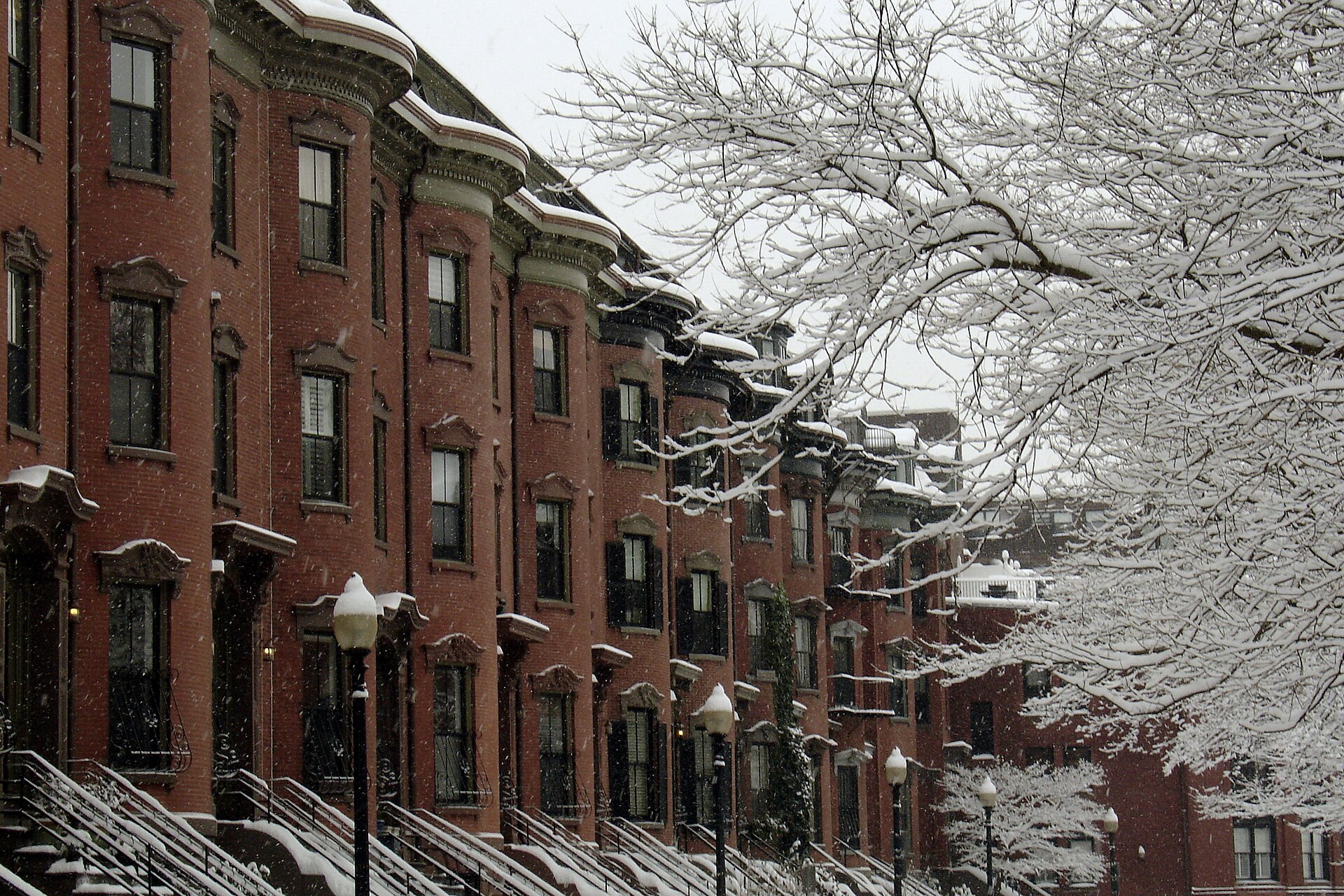
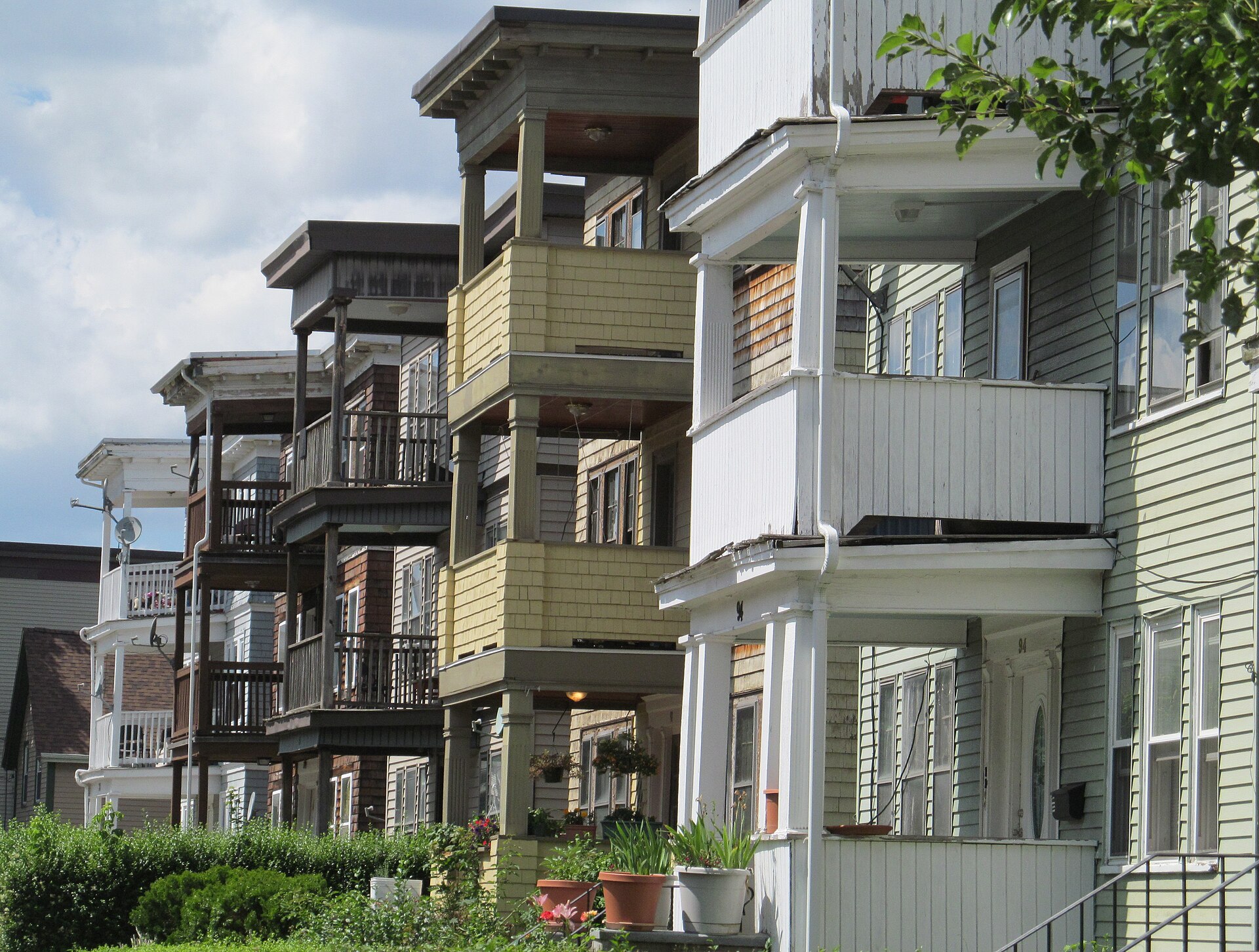
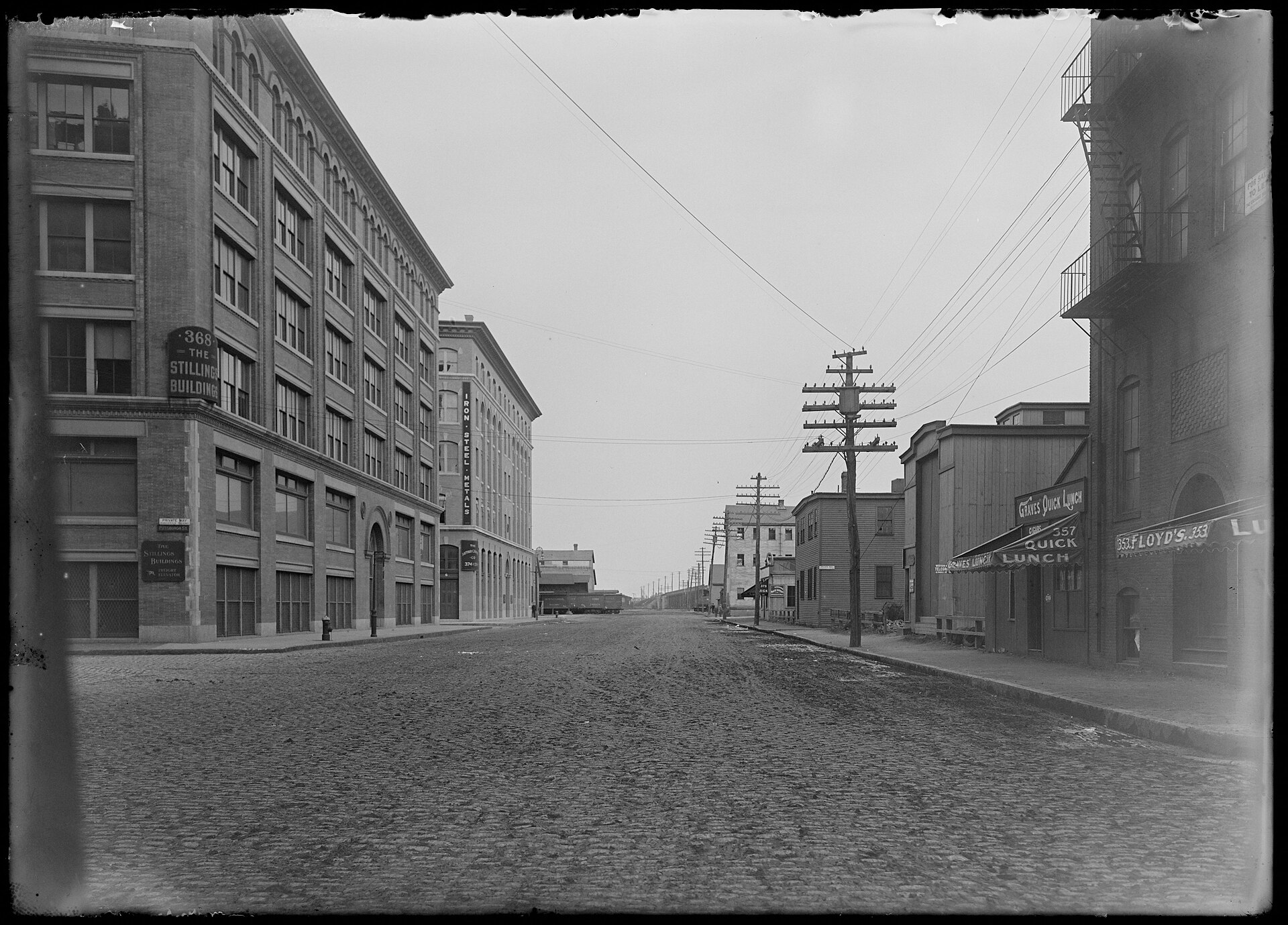
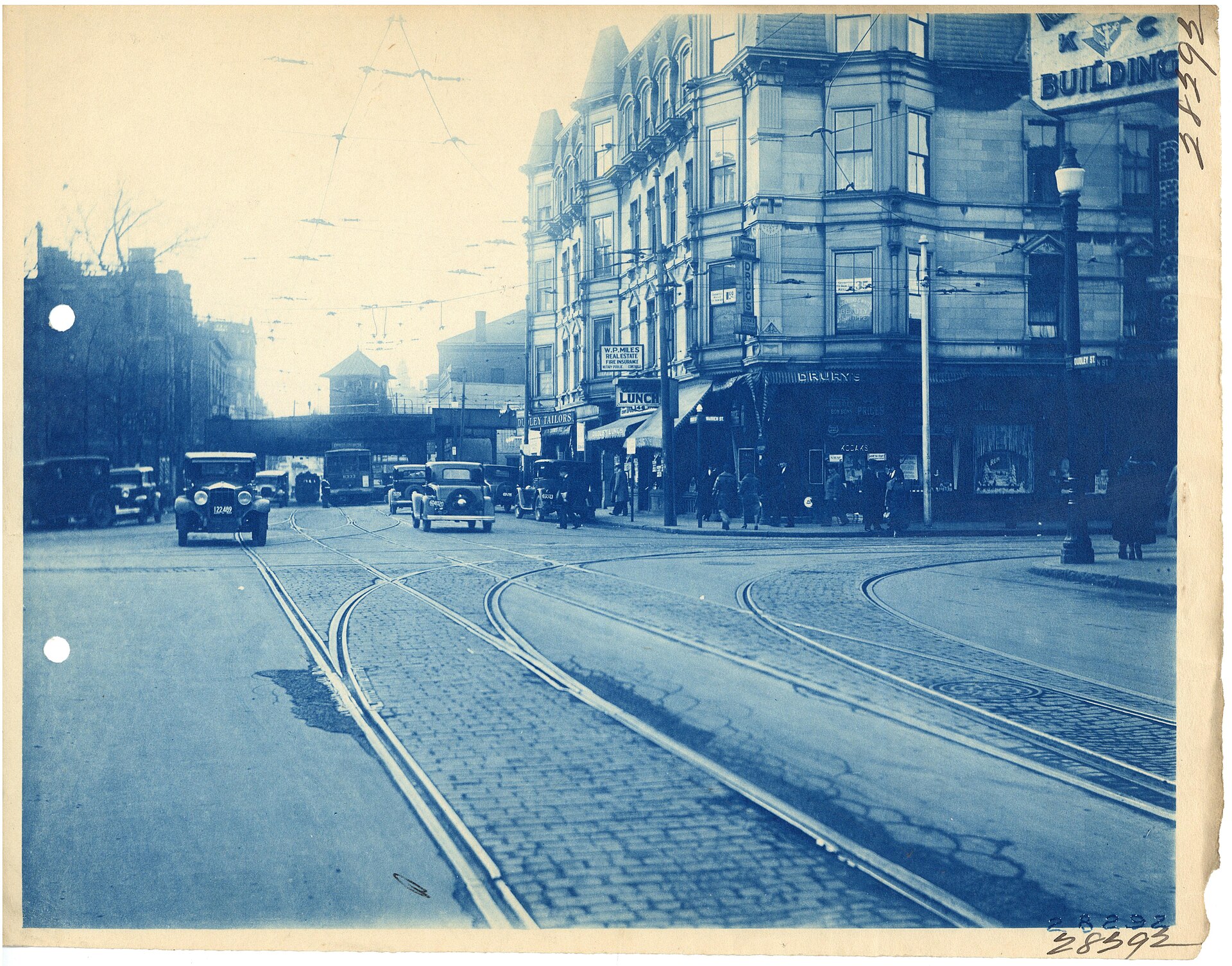
As shipbuilding receded, newcomers found employment at railroad docks, coal yards, machine shops and factories producing goods ranging from shoes to clothing. East Boston’s population reached 62,377 in 1915, up from 36,930 a quarter-century earlier. Settlement houses offered assistance, while construction of hundreds of triple-deckers began in the 1880s.
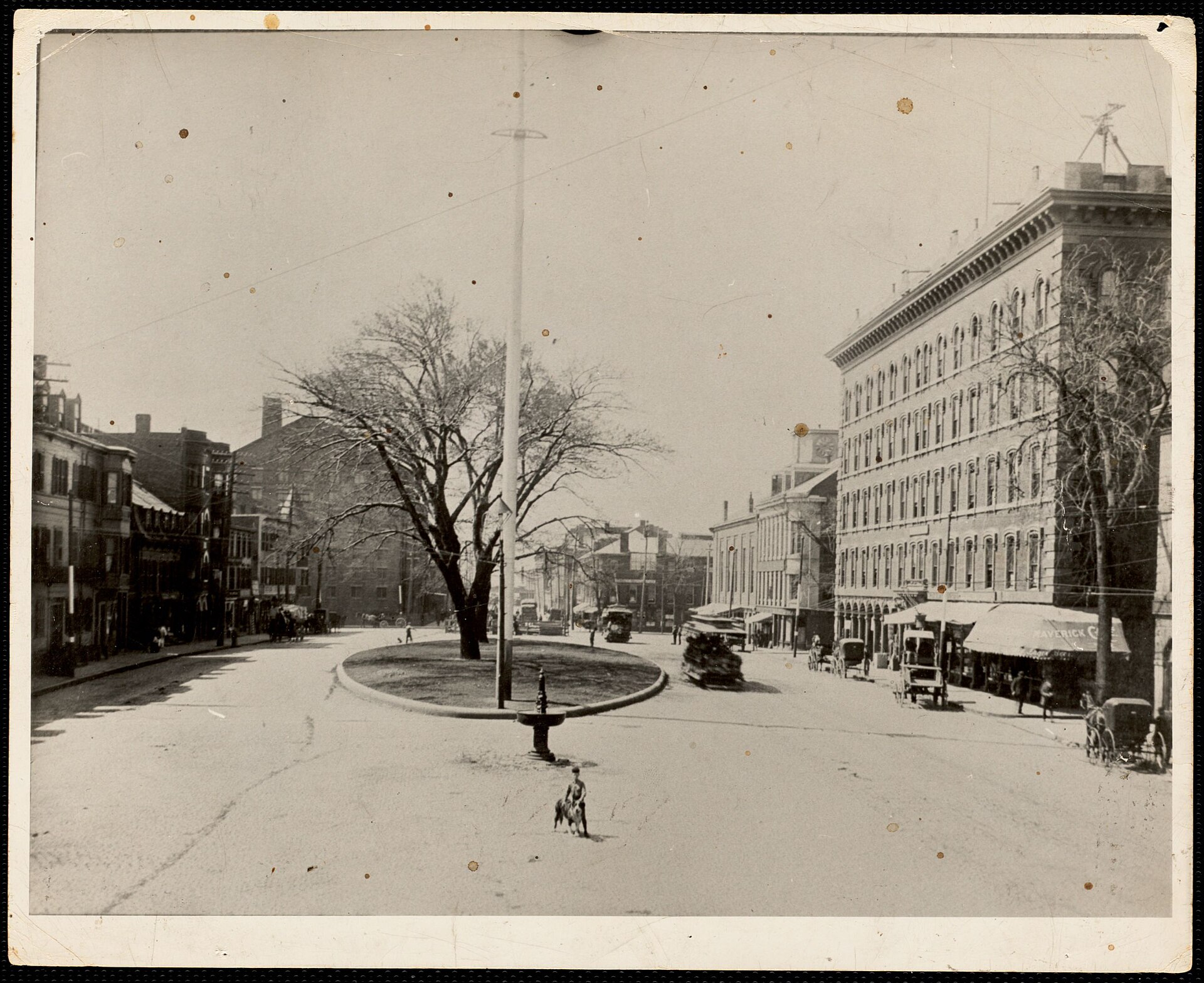
Jewish immigrants arriving during the 1890s established homes in Eagle Hill and blocks beyond Maverick Square. Chelsea and Porter streets developed a concentration of Jewish shops, kosher food businesses and restaurants, with synagogues nearby.
Italian settlement accelerated after 1895, drawing both people leaving the crowded North End and arrivals from Italy. The Italian-born population exceeded 10,000 by 1920, compared with about 4,500 in 1910. Many came from Sicily or Calabria.
Triple-deckers supported extended-family households and helped owners meet mortgage costs through rental income. They also accommodated relatives arriving later. Italians and their descendants became East Boston’s predominant ethnic community after World War I, remaining so for much of the century.
The neighborhood’s population surpassed 64,000 at its 1925 peak. Immigration restrictions and, later, manufacturing losses changed its trajectory. Logan Airport provided employment but also expanded into neighborhood space. Following the 1965 Immigration Act, renewed migration eventually brought Southeast Asian and Latin American newcomers, continuing East Boston’s long history as a place of arrival.