
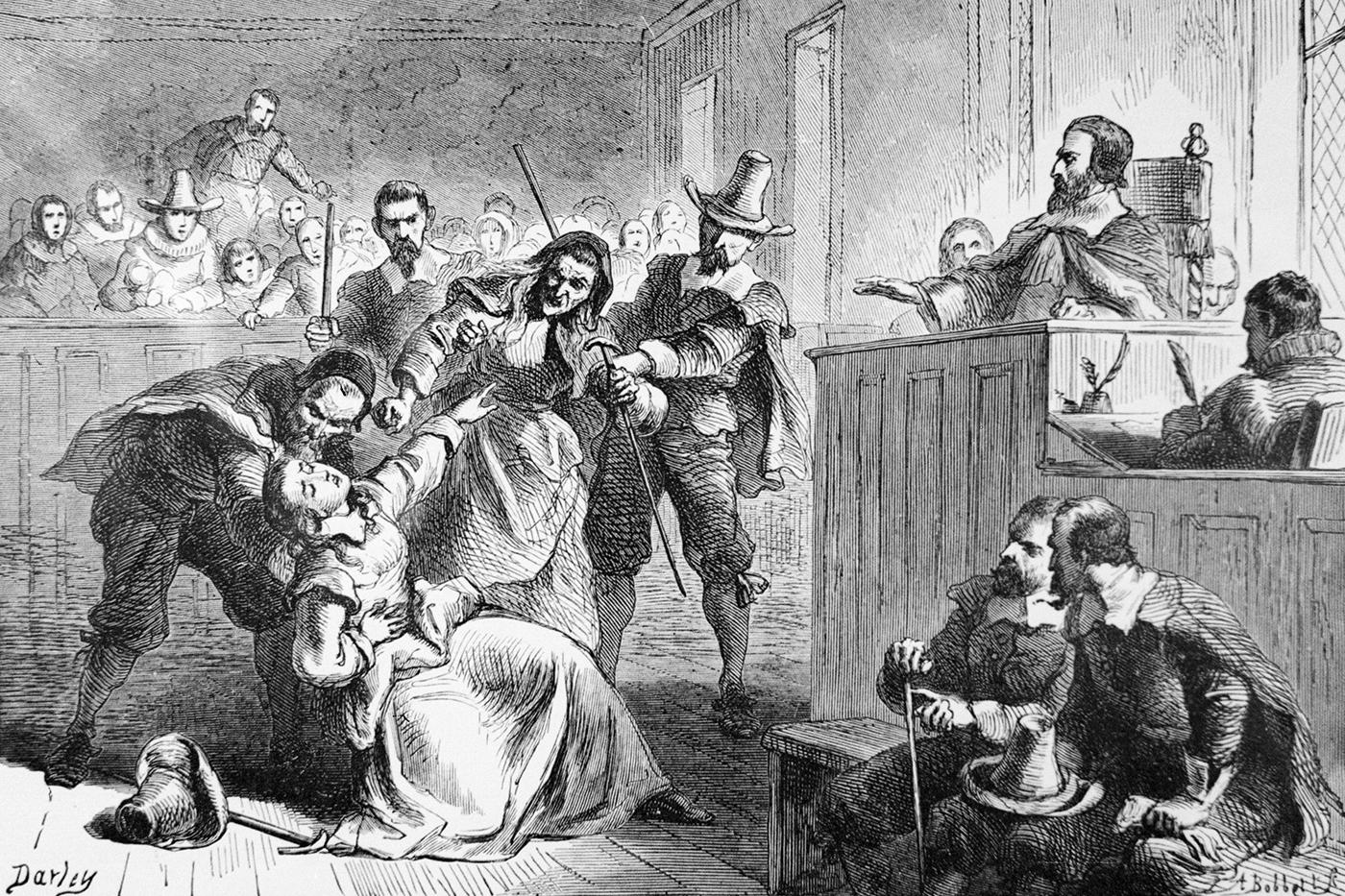
In the early months of 1692, the quiet Puritan community of Salem Village in Massachusetts was thrust into a whirlwind of fear and suspicion that would culminate in one of the most infamous chapters in American history-the Salem witch trials. Over the course of nearly a year, more than 200 individuals were accused of witchcraft, leading to the execution of 20 convicted “witches” and the imprisonment of many others. This dark episode exposed deep social, religious, and political tensions within the colony, leaving a legacy that continues to influence American culture, law, and perceptions of justice centuries later. As we examine the Salem witch trials today, it’s crucial to understand not only the tragic events that unfolded but also their enduring impact on ancient discourse and collective memory.[1], [2]
Table of Contents
- The Origins and Social Climate Behind the Salem Witch Trials
- Examining the Legal Proceedings and Questionable Evidence
- The Enduring Cultural Impact on American Society
- Lessons Learned and Recommendations for Modern Justice Systems
- In Retrospect
The Origins and Social Climate Behind the Salem Witch Trials
Examining the Legal Proceedings and Questionable Evidence
The legal proceedings during the Salem Witch Trials were marked by a troubling erosion of due process and an overreliance on fear-driven testimonies. Courts accepted spectral evidence-claims that the accused’s spirit or shape appeared to torment victims-which modern legal standards would deem highly unreliable. Judges often disregarded the lack of tangible proof,leading to swift convictions based largely on hysteria and superstition. Moreover, accused individuals were subjected to intense pressure to confess, knowing refusal often meant execution. This created a climate where truth was obscured by panic, undermining the integrity of the judicial system.
Witnesses’ accounts, frequently coming from young girls and neighbors with conflicting motives, played a pivotal role despite their questionable credibility. This evidence was supplemented by:
- Forced confessions under duress
- Use of “touch tests” and other unscientific methods
- Character judgments instead of factual inquiry
Collectively, these elements reveal how the trials became less about justice and more about social control through fear. The resulting miscarriages of justice stand as a cautionary tale about the dangers of compromising legal rigor in times of crisis.[2] [3]
The Enduring Cultural Impact on American Society
The Salem Witch Trials have left an indelible mark on American cultural consciousness, symbolizing the dangers of mass hysteria, injustice, and the fragility of due process. Their legacy resonates deeply in literature, politics, and popular media, serving as a cautionary tale about the peril of unchecked authority and the consequences of fear-driven decision-making. From Arthur Miller’s play The Crucible to countless documentaries and exhibitions, the trials continue to provoke critical reflection on American values such as justice, individual rights, and freedom of expression.
Modern society draws lessons from Salem through:
- The ongoing discourse on civil liberties and the protection of minority rights.
- A renewed commitment to clarity within judicial and governmental systems.
- The preservation of historical sites in Salem that educate and remind visitors of the trials’ social impact.
- Artistic interpretations that explore themes of scapegoating and paranoia.
These elements underscore how a 17th-century tragedy persists as a potent symbol that shapes conversations about morality and governance in America today.
Lessons Learned and Recommendations for Modern Justice Systems
The Salem Witch Trials stand as a stark reminder of the dangers when fear overrides reason within judicial processes. Modern justice systems must emphasize due process, evidence-based investigations, and protections against mass hysteria to prevent miscarriages of justice. The trials exposed how societal pressures and misinformation can lead to devastating consequences, urging contemporary legal frameworks to uphold transparency and safeguard the rights of the accused. Implementing rigorous standards for evidentiary proof and promoting judicial impartiality remain critical to avoiding the repetition of such tragic episodes.
Incorporating lessons learned from Salem, current justice systems should prioritize the following:
- Autonomous oversight: Establishing review bodies to monitor fairness and prevent abuses of power.
- Education on cognitive biases: Training legal professionals to recognize and mitigate fear-driven decisions.
- Community engagement: Ensuring public understanding and trust in legal principles through obvious communication.
- Safeguards against coerced testimony: Protecting individuals from pressure tactics that lead to false confessions.
By confronting the hysteria and injustices of the past, modern justice systems can build more resilient foundations rooted in truth and equity, ultimately fostering a legal environment that serves justice rather than fear.
In Retrospect
The Salem Witch Trials remain a stark reminder of the dangers of mass hysteria and the consequences of injustice. As Salem continues to confront and commemorate this dark chapter in its history, the trials’ legacy endures-informing ongoing discussions about legal fairness, social dynamics, and human rights.Visitors today can explore Salem’s rich cultural landscape, from its historic sites to museums dedicated to preserving the memory and lessons of 1692. Through reflection and education, the story of the Salem Witch Trials persists as both a cautionary tale and a catalyst for deeper understanding in the pursuit of justice and truth. For those interested in exploring this history further,Salem offers a unique blend of heritage and contemporary remembrance that continues to resonate across centuries.[[[1]][[[2]]