
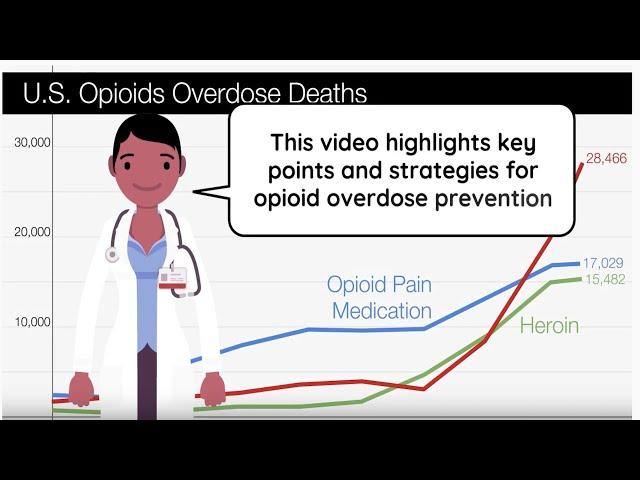
The opioid crisis continues to devastate communities across the globe, claiming thousands of lives each year through deadly overdoses. As opioid use disorder-often resulting from both prescribed and illicit opioids-escalates, public health officials and medical experts are urgently seeking effective strategies to prevent overdose deaths and curb addiction. This article explores the latest approaches to combating this epidemic, highlighting evidence-based prevention methods, the importance of timely intervention, and the critical role of education and access to treatment in saving lives and restoring hope.With opioid medications known for their powerful pain-relieving properties but high potential for addiction and misuse, the challenge remains complex and multifaceted [[1]](https://www.mayoclinic.org/es/diseases-conditions/prescription-drug-abuse/expert-answers/what-are-opioids/faq-20381270) [[3]](https://www.mayoclinic.org/diseases-conditions/prescription-drug-abuse/in-depth/how-opioid-addiction-occurs/art-20360372).
Table of Contents
- Rising Trends in Opioid Overdoses and Their Impact on Communities
- Innovative Harm Reduction Programs Making a Difference
- The Role of Access to Naloxone in Saving Lives
- Strengthening Prescription Monitoring and Education Efforts
- In Summary
Rising Trends in Opioid Overdoses and Their Impact on Communities
The alarming surge in opioid overdoses is sending shockwaves through communities nationwide, with hospitals and emergency responders facing unprecedented strain. Central nervous system and respiratory depression caused by opioid toxicity often leads to critical breathing difficulties, sometimes progressing to fatal outcomes if not addressed promptly. The ubiquity of opioids-from prescription pain relievers to illicit substances-has blurred the lines of risk, putting diverse populations in harm’s way. This trend not only devastates families but also challenges local health infrastructures unprepared for the rising demand for emergency interventions and long-term addiction support.
Communities are grappling with multiple repercussions, including:
- Increased burden on emergency medical services and hospitals
- Heightened economic costs due to lost productivity and healthcare expenses
- Strain on social services as addiction escalates and recovery resources fall short
- Rising rates of neonatal abstinence syndrome affecting newborns in opioid-impacted families
As the crisis intensifies, the pressing need for widespread education on overdose recognition and timely intervention is clearer than ever. Effective response requires a community-wide approach to mitigate these profound impacts and restore hope to affected populations.
Innovative Harm Reduction Programs Making a Difference
Across the country, innovative harm reduction programs are stepping up to confront the opioid crisis with groundbreaking approaches that prioritize saving lives and promoting dignity. These initiatives focus on practical, evidence-based strategies that meet people where they are, rejecting abstinence-only models in favor of real-world solutions. Programs that distribute naloxone kits empower users,families,and communities to reverse potentially fatal overdoses instantly,dramatically reducing death rates. Additionally, supervised consumption sites offer a safe habitat for drug use, connecting individuals to vital health services and reducing the risk of infectious diseases and overdose.
Beyond direct intervention, holistic harm reduction efforts embrace a wide spectrum of supportive services, including:
- Access to sterile syringes to prevent the spread of HIV and Hepatitis C
- Peer-led outreach programs that build trust and facilitate connection to treatment options
- Education campaigns promoting safer usage practices and informing about overdose symptoms
- Integration of mental health support acknowledging the complex challenges faced by people who use drugs
These community-centric models are not only mitigating immediate harms but are reshaping public health paradigms and fostering pathways toward recovery and social inclusion.
The Role of Access to Naloxone in Saving Lives
Naloxone has emerged as a critical tool in the fight against opioid overdoses, effectively reversing life-threatening respiratory depression when administered promptly. Its availability has transformed emergency responses, empowering not just first responders but also everyday citizens to intervene during overdose crises.Communities that have expanded access to naloxone kits, including distribution to family members, friends, and public spaces, report significant reductions in fatal overdose incidents. This wide-reaching access is vital, as every minute counts when countering opioid toxicity.
Key factors enhancing naloxone’s life-saving impact include:
- Training and education initiatives that teach proper administration techniques.
- Legal protections for individuals who carry and use naloxone in good faith.
- Integration with public health and law enforcement programs to ensure rapid response.
- Affordable and accessible distribution channels to reduce barriers for high-risk populations.
Efforts to normalize naloxone usage play a decisive role in saving lives, preventing tragedy, and laying the groundwork for broader addiction treatment and recovery services.
Strengthening Prescription Monitoring and Education Efforts
Robust prescription monitoring programs play a crucial role in preventing opioid misuse by enhancing transparency and accountability in medication dispensing. By integrating real-time data sharing across pharmacies, healthcare providers can identify patterns of overprescribing or doctor-shopping, enabling timely interventions. These systems are further strengthened by mandatory checks before prescribing, ensuring that patients receive appropriate pain management without excess risk. The technology behind these monitoring efforts also supports effective risk stratification, allowing clinicians to customize care plans based on individual patient histories.
Complementing monitoring, targeted education efforts are essential to empower both patients and healthcare professionals with knowledge about opioid risks and safe usage. Educational initiatives often include:
- Training for prescribers on recognizing signs of dependency and alternative pain management approaches
- Patient counseling on dosage adherence, potential side effects, and proper disposal of unused medication
- Community outreach programs aimed at raising awareness of overdose prevention resources, including Naloxone availability
Such thorough strategies not only reduce the risk of addiction but also foster a culture of obligation and informed decision-making around opioid use, critical in addressing the ongoing crisis.
In Summary
As the opioid epidemic continues to claim lives across the nation, the urgency for effective overdose prevention strategies has never been greater.From expanding access to life-saving naloxone to enhancing community education and improving treatment availability, a multifaceted approach is essential. Stakeholders at every level-healthcare providers, policymakers, and communities-must work collaboratively to turn the tide of this public health crisis. Only through concerted action and sustained commitment can we hope to save lives and restore hope to those affected by opioid misuse. The road ahead is challenging, but with continued innovation and compassion, progress is within reach.