
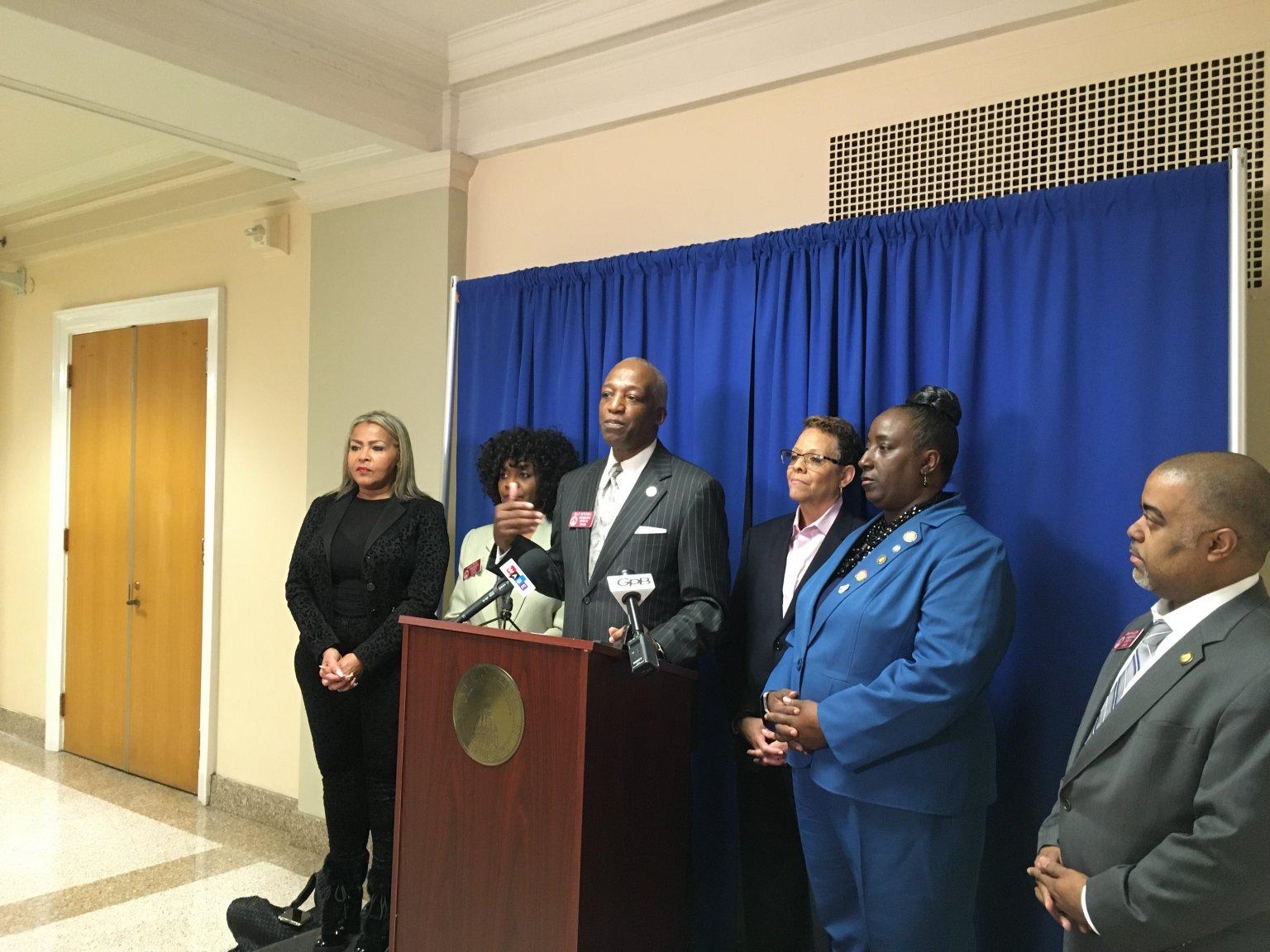
State lawmakers are currently engaged in heated debates over a proposal to repeal a decades-old ban on happy hour promotions. The long-standing regulation, originally enacted to curb excessive drinking and related incidents, has come under renewed scrutiny as advocates argue it stifles business growth and consumer choice. Opponents, however, caution that lifting the ban could lead to increased alcohol abuse and public safety concerns. As discussions unfold, the outcome could significantly reshape the state’s beverage industry and nightlife culture.
Table of Contents
- State Lawmakers Review History and Impact of Happy Hour Ban
- Economic Benefits of Lifting Restrictions for Local Businesses
- Public Health Concerns and Proposed Safety Measures
- Lawmakers Weigh Regulatory Options and Community Feedback
- To Wrap It Up
State Lawmakers Review History and Impact of Happy Hour Ban
Lawmakers convened this week to scrutinize the origins and enduring consequences of the state’s decades-old prohibition on happy hour promotions. Initially enacted in the early 1980s amid public safety concerns, the ban aimed to curb excessive drinking and related incidents by eliminating discounted alcoholic beverages during specific hours. Supporters argue the law has played a pivotal role in reducing drunk driving rates and maintaining public order, emphasizing the ongoing need for caution in reform efforts.
However, critics highlight the ban’s unintended economic drawbacks, particularly for local bars and restaurants struggling to attract patrons in a competitive market. During the session, several proposals surfaced advocating for a modernized framework that balances public health priorities with business interests. Key discussion points include:
- Implementing stricter oversight rather than a complete ban to allow timed discounts responsibly
- Introducing educational campaigns focused on responsible alcohol consumption alongside relaxed promotional rules
- Evaluating data from neighboring states where happy hour restrictions have been lifted without significant public safety impact
Economic Benefits of Lifting Restrictions for Local Businesses
Local businesses stand to gain significantly from the potential repeal of the long-standing happy hour ban. By allowing extended and discounted drink periods, establishments such as bars, restaurants, and breweries anticipate increased customer foot traffic during traditionally slower hours. This shift can lead to higher overall sales volume, improved cash flow, and the opportunity to hire additional staff, contributing to lower unemployment rates within communities.
Furthermore, the ripple effect of lifting restrictions could invigorate the local economy beyond just direct sales. Vendors, suppliers, and service providers linked to the hospitality sector may see a surge in demand. Benefits may include:
- Expanded opportunities for local producers and distributors
- Increased tourism attraction with more vibrant nightlife
- Greater tax revenue streams for municipal investments
These economic incentives have become a focal point for lawmakers seeking to balance public safety with community prosperity.
Public Health Concerns and Proposed Safety Measures
Health experts have voiced concerns about the potential rise in alcohol-related incidents if the happy hour ban is lifted. Studies indicate that discounted drinks can lead to increased consumption, raising the risk of impaired driving, domestic violence, and long-term liver damage. Community advocates argue that without strict regulatory frameworks, vulnerable populations-including young adults and recovering addicts-may face heightened exposure to alcohol abuse. A coalition of public health officials recommends maintaining stringent monitoring and enforcing responsible beverage service laws to mitigate these risks.
In response, lawmakers are considering a series of safety measures aimed at balancing economic freedoms with public welfare. Proposed initiatives include:
- Mandatory server training programs to ensure staff can identify and respond to intoxicated patrons.
- Restrictions on happy hour timing to limit alcohol availability during peak hours for accidents and violence.
- Enhanced penalties for impaired driving linked to alcohol promotions.
- Community awareness campaigns focusing on responsible drinking and the dangers of binge consumption.
As the debate continues, the emphasis remains on creating a framework that supports local businesses while prioritizing the health and safety of residents.
Lawmakers Weigh Regulatory Options and Community Feedback
State legislators are actively engaging with a diverse array of community voices as they deliberate on the potential repeal of a decades-old restriction on happy hour promotions. Public hearings have drawn both passionate supporters, who argue that lifting the ban would stimulate local economies and provide greater consumer choice, and opponents concerned about public health and increased alcohol-related incidents. Lawmakers emphasize their commitment to incorporating this broad spectrum of feedback into any forthcoming legislative proposals.
Among the key regulatory options under consideration are:
- Implementing stricter limits on discount hours to prevent overconsumption and mitigate risks associated with excessive drinking.
- Introducing mandatory server training programs to promote responsible alcohol service and awareness.
- Keeping a cap on advertising practices to avoid aggressive marketing targeting vulnerable populations, including minors.
As these discussions evolve, lawmakers aim to strike a balance between promoting economic growth and safeguarding public welfare, ensuring that any changes reflect the will and best interests of their constituencies.
To Wrap It Up
As the debate over the long-standing happy hour ban continues, state lawmakers remain divided on the potential economic and social impacts of lifting the restriction. Advocates argue that ending the ban could boost local businesses and attract more patrons, while opponents caution about possible increases in alcohol-related issues. With no immediate consensus in sight, it appears that further discussions and public input will be essential before any legislative action is taken. The outcome of this debate will likely shape the future of the state’s nightlife and hospitality industry for years to come.