
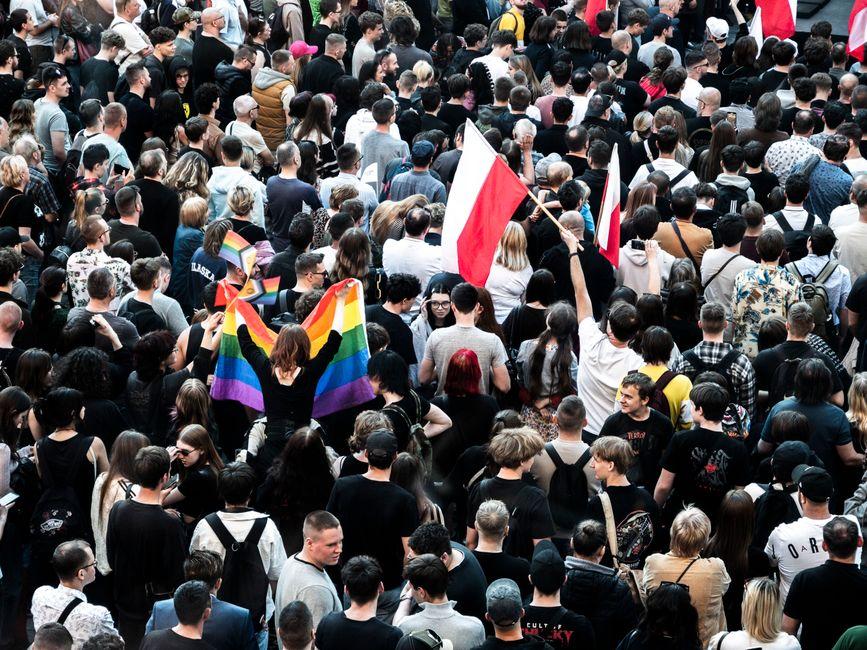
In a landmark move, the state has announced expanded protections for LGBTQ+ individuals within public spaces, aiming to ensure greater safety and inclusivity for the community. The new measures seek to address discrimination and harassment, reinforcing the rights of lesbian, gay, bisexual, transgender, queer, and other identities encompassed under LGBTQ+ to freely and openly participate in social, cultural, and civic life. Advocates hail the expansion as a critical step forward in promoting equality and dignity for all residents.
Table of Contents
- State Implements New Guidelines to Safeguard LGBTQ+ Access in Public Spaces
- Advocates Applaud Expanded Protections as a Step Toward Equality
- Challenges Remain in Enforcement and Public Awareness Efforts
- Recommendations for Local Governments to Enhance Inclusive Policy Adoption
- The Conclusion
State Implements New Guidelines to Safeguard LGBTQ+ Access in Public Spaces
In a decisive move to ensure equality and safety for LGBTQ+ individuals, the state has introduced comprehensive guidelines aimed at protecting access to public spaces.These new measures explicitly prohibit discrimination based on sexual orientation, gender identity, and expression in all government-operated facilities and public venues.Officials emphasize that the guidelines are designed to create an inclusive environment where everyone,regardless of their identity,can participate freely without fear of exclusion or harassment.
The policy outlines several key provisions including:
- Mandatory staff training on LGBTQ+ cultural competency and anti-discrimination laws
- Installation of gender-neutral restrooms in public buildings
- Clear complaint processes for incidents of discrimination or harassment
- Ongoing community engagement to monitor implementation and inclusivity
Advocates have lauded the state’s efforts as a notable step toward social justice, highlighting that such frameworks not only protect marginalized communities but also set a precedent for other states.
Advocates Applaud Expanded Protections as a Step Toward Equality
Advocacy groups have expressed strong support for the recent legislative move, calling it a critical advancement in recognizing and safeguarding the rights of LGBTQ+ individuals in public spheres. Leaders emphasize that these protections are vital in combating pervasive discrimination and ensuring that people, regardless of their sexual orientation or gender identity, can freely access public spaces without fear of harassment or exclusion. Community organizations highlight that this expansion reinforces the state’s commitment to:
- Upholding dignity and respect for all citizens
- Creating safer environments in schools, parks, and transit systems
- Addressing long-standing inequities faced by transgender, non-binary, and other marginalized groups within the LGBTQ+ spectrum
Experts and advocates alike view these enhanced protections as a foundational step toward broader social equity, signaling a shift toward more inclusive policies nationwide. They argue that legal acknowledgment not only validates the experiences of LGBTQ+ people but also paves the way for further reforms in healthcare, employment, and housing. This unified response from advocacy networks underscores that while progress has been made,continuous vigilance and education remain essential to achieving full equality and acceptance for all members of the LGBTQ+ community.
Challenges Remain in Enforcement and Public Awareness Efforts
Despite the state’s progressive expansion of protections, enforcement mechanisms continue to encounter significant obstacles. Agencies tasked with oversight often grapple with limited resources and inconsistent reporting standards,which hinder timely intervention. Moreover, many individuals within the LGBTQ+ community remain unaware of their rights or the procedures to report violations, complicating efforts to hold perpetrators accountable.These challenges are compounded by societal stigma and misinformation that persist in certain public spaces.
- Insufficient training for frontline personnel on LGBTQ+ issues
- Inconsistent request of new policy guidelines across municipalities
- Low public awareness of both protections and how to access support
Public education campaigns aimed at raising awareness about these expanded rights are still in early stages and require broader reach to be effective. Advocates emphasize the need for sustained engagement through community partnerships and targeted outreach, especially in rural or underserved areas. Continued dialog and clarity will be essential for turning legislative progress into tangible protections that resonate on the ground.
Recommendations for Local Governments to Enhance Inclusive Policy Adoption
Local governments play a pivotal role in bridging state-level protections with community realities, ensuring policies reflect the needs of all residents. To foster truly inclusive environments, officials should prioritize engaging directly with LGBTQ+ communities through town halls, advisory councils, and partnership with advocacy groups. Furthermore, the progress of clear, accessible resources including training modules for public employees can promote understanding and proper implementation of expanded public space protections without ambiguity.
In addition, municipalities should adopt proactive communication strategies that include:
- Regular updates on policy changes and their implications via local media and social platforms
- Multilingual outreach to reach diverse populations effectively
- Inclusive language in all public documents and signage to reflect the expanded protections
- Collaboration with schools, health providers, and law enforcement to embed inclusive principles comprehensively
Embedding these steps firmly within local governance will aid in cultivating safer, more welcoming public spaces and reinforce the state’s commitment to LGBTQ+ rights at the grassroots level.
The Conclusion
As the state moves forward with expanded protections for LGBTQ+ individuals in public spaces, advocates and community members alike view this development as a significant step toward greater equality and safety. While challenges remain, this legislative progress signals a stronger commitment to safeguarding the rights and dignity of all citizens, regardless of their sexual orientation or gender identity. The evolving landscape of public space protections will continue to be closely watched as it shapes the lived experiences of LGBTQ+ people across the region.