
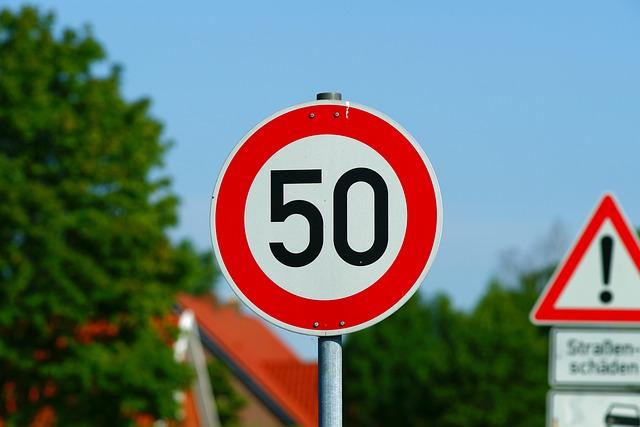
Safety concerns have led to the implementation of slow zones across the Massachusetts Bay Transportation Authority (MBTA) transit system, affecting multiple lines and services. In response to increased scrutiny over track conditions and operational safety, MBTA officials have enforced reduced speed limits to ensure passenger security while maintenance and upgrades are planned. This move marks a significant effort to address persistent safety challenges within the region’s commuter rail, subway, and light rail operations, prompting adjustments in scheduling and service reliability across the network. The progress comes amid ongoing discussions about infrastructure investment and long-term improvements to the MBTA system’s safety protocols and performance standards.[[1]]
Table of Contents
- Safety Challenges Drive Implementation of Slow Zones on MBTA Lines
- Impact of Reduced Speeds on Commuter Travel Times and Service Reliability
- Community Response and Safety Benefits Observed Since Slow Zone Introduction
- Recommendations for Enhancing MBTA Safety While Minimizing Disruptions
- In Conclusion
Safety Challenges Drive Implementation of Slow Zones on MBTA Lines
Safety concerns have prompted the MBTA to enforce slow zone policies across various transit lines, including commuter rail and subway routes. These measures are a response to recurring incidents and infrastructure vulnerabilities that pose risks to passengers and employees. By reducing train speeds in designated areas, the MBTA aims to minimize accident potential in zones with track work, signal malfunctions, and complex track geometry. The implementation is coupled with enhanced inspection protocols and real-time monitoring systems to bolster operational safety.
Key factors driving the slow zones include:
- Increased maintenance activities requiring cautious train movement
- Proximity to high-traffic pedestrian crossings and station platforms
- Track condition assessments indicating areas of wear or instability
- Historical data highlighting segments prone to safety incidents
These slow zones represent a proactive approach by the MBTA to address systemic safety challenges, ultimately ensuring safer journeys for all riders while modernization efforts continue.
Impact of Reduced Speeds on Commuter Travel Times and Service Reliability
Commuters on the MBTA system are experiencing notable increases in travel times as slower speed limits are enforced in newly established slow zones. These reductions, implemented as a direct response to safety concerns, have a ripple effect on daily schedules, creating longer wait times and less predictable service patterns during peak hours.The cumulative delays not only extend individual journey lengths but also interfere with tight transfer windows across multiple lines,complicating the overall commuter experience.
Service reliability, a cornerstone of urban transit efficiency, is also challenged amid these operational adjustments. Train operators and control centers must recalibrate timetables to accommodate these speed restrictions, often prompting less frequent runs to maintain safe intervals between trains. As a result, riders may encounter:
- Increased risk of missed connections due to variable delays
- Shorter service windows during early morning and late night hours
- Heightened pressure on fleet management to mitigate cascading slowdowns
While these impacts pose short-term challenges, transit authorities emphasize that prioritizing safety ultimately aims to prevent incidents and preserve long-term system integrity.
Community Response and Safety Benefits Observed Since Slow Zone Introduction
Residents and daily commuters have expressed a largely positive reception to the new slow zones implemented throughout the MBTA transit system. Many community members credit the speed restrictions with fostering a safer environment for pedestrians, cyclists, and transit riders alike. Local advocacy groups highlight these zones as a critical step in reducing traffic-related incidents, especially in densely populated neighborhoods where the risk for collisions had been notably high. The slower speeds have also led to a perceived increase in comfort and accessibility for vulnerable populations, such as the elderly and children navigating transit stops.
Safety statistics and reports since the introduction of slow zones underscore tangible benefits:
- Decline in accident rates along affected routes, with fewer injuries reported in transit-related incidents.
- Enhanced operator control allowing MBTA staff to respond more effectively to unexpected obstacles or situations.
- Improved compliance as recordings from on-vehicle systems show a significant decrease in speeding violations within the zones.
These outcomes, paired with ongoing community feedback, are guiding MBTA’s continued efforts to prioritize safety without compromising transit efficiency.
Recommendations for Enhancing MBTA Safety While Minimizing Disruptions
To strike a balance between enhanced safety measures and maintaining transit efficiency, experts recommend deploying advanced technology that can monitor track conditions in real time. Implementing automated sensors and AI-driven surveillance systems will allow for early detection of potential hazards,reducing the need for widespread slow zones that disrupt schedules. Additionally, optimizing maintenance schedules during off-peak hours can limit the impact on commuters while ensuring track integrity remains uncompromised.
Community engagement is also crucial. Authorities are urged to increase clarity through timely updates and open forums where riders can voice concerns and stay informed about safety improvements. Recommendations include:
- Targeted slow zone placement based on risk assessment rather than blanket reductions in speed.
- Enhanced staff training to promptly address emerging safety issues without halting service unnecessarily.
- Investment in infrastructure upgrades to eliminate recurring problem areas over the long term.
These strategies aim to protect passengers without sacrificing the reliability that the MBTA system’s millions of daily riders depend on.
to sum up
As the MBTA implements these slow zones across its transit system, officials emphasize that safety remains the top priority amid ongoing maintenance and infrastructure upgrades. While the adjustments may cause some delays for commuters, they reflect a necessary step in addressing longstanding safety concerns and ensuring reliable service in the years ahead.Riders are encouraged to stay informed through official MBTA channels for real-time updates and to plan their travel accordingly as these measures take effect.