
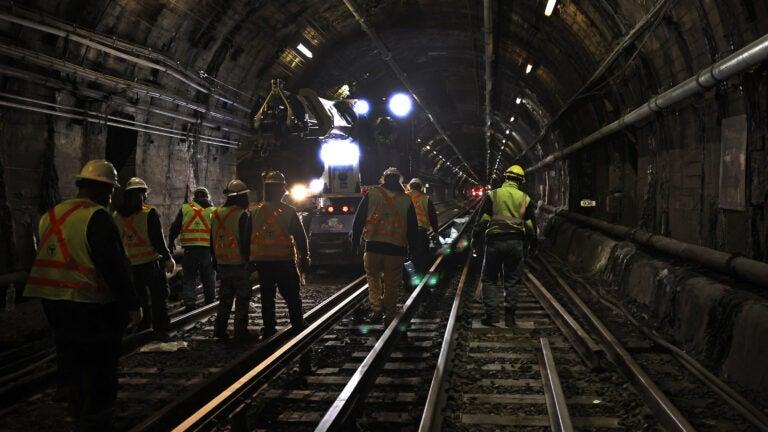
Public opinion remains sharply divided over the safety measures and accountability practices of the Massachusetts Bay Transportation Authority (MBTA). As ridership continues to recover and infrastructure modernization efforts unfold,commuters and residents debate whether the transit system is adequately addressing concerns related to passenger security and operational clarity. These contrasting views come amid ongoing discussions about the MBTA’s handling of maintenance programs and service reliability, raising critical questions about the future direction of Massachusetts’ primary public transportation provider.
Table of Contents
- Public Concerns Mount Over MBTA Safety Measures and Incident Responses
- Divergent Views on MBTA Leadership Accountability Spark Community Debate
- Analysis of Passenger Experiences Reveals Gaps in Security and Communication
- Experts Call for Enhanced Transparency and Comprehensive Safety Reforms
- In Conclusion
Public Concerns Mount Over MBTA Safety Measures and Incident Responses
Commuters and residents have increasingly voiced skepticism about the MBTA’s current safety protocols after a series of incidents raised alarms across multiple lines. Critics emphasize lapses in emergency communications, inconsistent enforcement of safety standards, and a perceived delay in incident responses by MBTA officials. The public outcry has been fueled by reports highlighting outdated equipment and challenges in maintaining the aging infrastructure, which some fear may compromise passenger safety. Concerns have specifically centered on the need for enhanced training for frontline staff and the implementation of more clear incident reporting systems.
Many advocate for a stronger focus on proactive safety upgrades, including but not limited to:
- Regular safety drills involving riders and staff
- Better real-time communication tools during disruptions
- Investments in modernizing rolling stock and signaling technology
- Community involvement programs to hold officials accountable
Meanwhile, some voices within the community acknowledge recent efforts by the MBTA to improve operational standards and emergency preparedness, though they argue these measures must be more comprehensive and visible. The divide remains pronounced as residents weigh the balance between ongoing challenges and incremental progress, demanding clearer commitments to passenger safety and transparent accountability from transit authorities.
Divergent Views on MBTA Leadership Accountability Spark Community Debate
Community members express wide-ranging opinions regarding the obligation of MBTA leadership in addressing ongoing safety and operational concerns. Some argue that management must be held strictly accountable for lapses that have led to service disruptions and safety incidents, emphasizing that transparency and proactive measures are critical to restoring public trust. These voices call for comprehensive audits and clear communication strategies, highlighting that leadership failures have tangible impacts on daily commuters’ lives.
Conversely, others caution against placing sole blame on MBTA executives, pointing to systemic challenges such as aging infrastructure and funding limitations that complicate swift improvements. Supporters believe that while accountability is necessary, collaborative efforts between state officials, transit workers, and the community are vital for effective problem-solving.Key points emerging in the debate include:
- Calls for self-reliant oversight to ensure unbiased evaluations of MBTA performance.
- Recognition of workforce dedication amidst challenging conditions and evolving technology.
- Urgency for strategic investment in modernization projects to enhance long-term safety.
Analysis of Passenger Experiences Reveals Gaps in Security and Communication
Passenger feedback underscores persistent weaknesses in the MBTA’s approach to security. Numerous commuters report inconsistent enforcement of safety protocols, with some highlighting an absence of visible security personnel during peak hours. Additionally, several riders express frustration over delayed or unclear announcements during service disruptions, which exacerbate feelings of vulnerability and confusion. The perceived lack of a cohesive communication strategy often results in missed connections and uncertainty, undermining overall trust in the transit authority’s ability to protect and inform its users.
Common themes emerging from rider testimonies include:
- Irregular presence of security staff, leading to safety concerns especially in lesser-trafficked stations.
- Insufficient updates on service changes, leaving riders to navigate disruptions without guidance.
- Inadequate emergency response communication, which amplifies stress during critical incidents.
These gaps highlight a important need for the MBTA to revamp both its security measures and communication frameworks to enhance passenger confidence and satisfaction.
Experts Call for Enhanced Transparency and Comprehensive Safety Reforms
Transportation safety experts and industry analysts are urging the MBTA to adopt a more open approach in communicating ongoing risks and safety measures to the public. They argue that without clear, accessible data and prompt disclosure of incidents, confidence in the system will remain fragile. Key recommendations include:
- Regular publication of safety performance metrics and examination outcomes
- Independent oversight committees to review procedures and incident responses
- Mandatory safety audits with publicly available reports
Advocates emphasize that these steps are essential not only for restoring trust but also for driving systematic improvements. They caution that piecemeal reforms or vague assurances fail to address underlying vulnerabilities exposed in recent MBTA operations.
Moreover, experts are calling for a comprehensive overhaul of safety policies, integrating modern technology and rigorous staff training to prevent accidents and operational failures. This includes:
- Investment in updated signaling and monitoring systems
- Enhanced emergency response protocols tailored to different transit scenarios
- Ongoing professional development programs focused on safety culture enhancement
These reforms are positioned as critical for aligning MBTA practices with best-in-class transit agencies nationwide. Voices within the transportation community stress that without such commitment, public skepticism and scrutiny are likely to persist, complicating efforts to improve accountability and service quality.
to sum up
As debates continue over the future of MBTA safety and accountability, public opinion remains sharply divided. While some commuters and officials call for increased oversight and immediate reforms, others emphasize progress already made and caution against hasty judgments. With ongoing discussions and planned upgrades to rolling stock and infrastructure, the MBTA faces the challenge of balancing operational efficiency with rider confidence. How this complex dialog evolves will shape the transit system’s path forward in the months and years to come.