
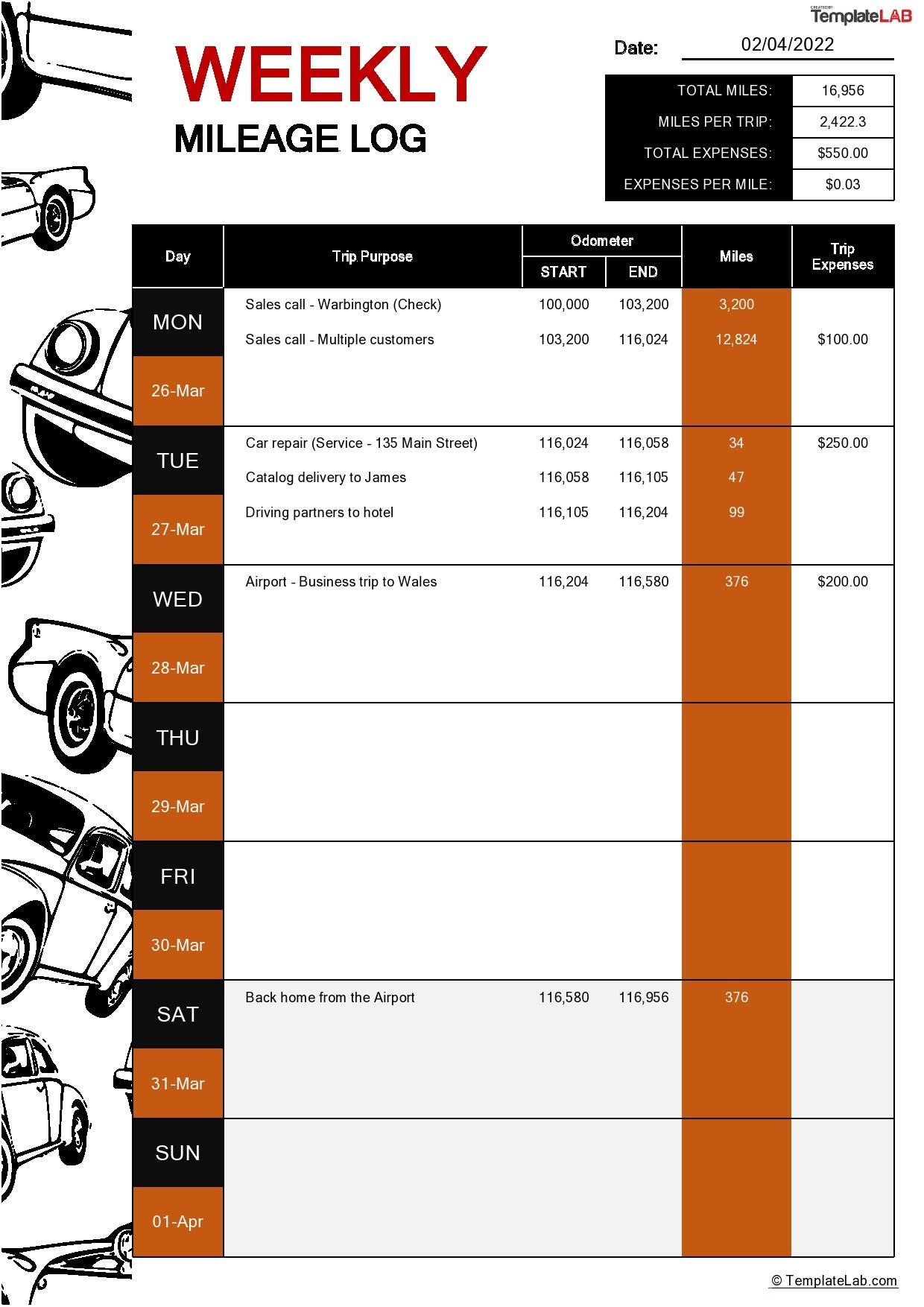
A groundbreaking legislative effort, the “Freedom to Move Act,” has been introduced to tackle vehicle emissions by implementing a mileage tracking system. The new act aims to incentivize drivers to reduce their overall miles traveled, thereby cutting greenhouse gas emissions and promoting more sustainable transportation habits. By leveraging advanced technology to monitor and report mileage, the legislation seeks to create a pragmatic approach to environmental responsibility, balancing individual mobility with climate goals.
Table of Contents
- Freedom to Move Act Introduces Mileage Tracking to Promote Eco-Friendly Driving
- How Real-Time Data Will Help Reduce Carbon Emissions from Personal Vehicles
- Privacy Measures Ensure Secure and Transparent Mileage Monitoring
- Experts Advocate for Incentives to Encourage Adoption of Emission-Reducing Habits
- Future Outlook
Freedom to Move Act Introduces Mileage Tracking to Promote Eco-Friendly Driving
The Massachusetts legislation marks a pivotal step toward curbing transportation emissions by introducing a system to monitor vehicle miles traveled.Under the proposed framework, an interagency council will be established with the responsibility to devise a thorough “whole-of-government plan” aimed at reducing personal car dependency. This approach targets not only emissions reduction but also a transformative shift in how residents approach mobility,pushing for more sustainable alternatives.
Key features of the initiative include:
- Monitoring mileage: Tracking vehicle usage to analyze travel patterns and identify opportunities to cut emissions.
- Encouraging alternatives: Expanding infrastructure for biking, walking, and public transit to foster greener commuting options.
- Interagency collaboration: Coordinated efforts among state departments to develop sustainable mobility strategies.
By embedding mileage tracking into policy considerations, Massachusetts aims to lead the nation with innovative actions that address the environmental impact of transportation dynamically and pragmatically. The legislation exists not only as a regulatory measure but as a blueprint to encourage behavior that aligns with the state’s climate goals, positioning the Commonwealth for a cleaner and more resilient future.
How Real-Time Data Will Help Reduce Carbon Emissions from Personal Vehicles
Leveraging high-resolution, near-real-time data on vehicle usage, the new legislation taps into advanced tracking technologies to pinpoint carbon emissions from personal transportation with unprecedented precision. By collecting and analyzing daily mileage data, authorities and individuals alike can identify key emission hotspots and behavioral patterns that contribute most to their carbon footprint. This granular approach enables tailored interventions, encouraging drivers to make informed decisions such as opting for cleaner routes, carpooling, or reducing needless trips.
Key benefits of real-time mileage tracking include:
- Continuous monitoring of emissions, facilitating immediate feedback and adjustments
- Integration with emission databases to provide transparent and accurate carbon accounting
- Incentivizing lower emissions through usage-based policies, such as reduced fees for less travel
- Empowering users with personalized data to motivate sustainable driving habits
By combining these elements, the Freedom to Move Act sets a new standard in climate action at the individual level, transforming raw data into powerful tools for emission reduction and fostering a culture of accountability and environmental awareness.
Privacy Measures Ensure Secure and Transparent Mileage Monitoring
To safeguard users’ personal information,the mileage tracking system incorporates end-to-end encryption and anonymization protocols,ensuring that individual trip data remains confidential and inaccessible to unauthorized parties.All mileage records are stored on secure servers with strict access controls, while transparent data handling policies provide users with clear insights into what information is collected and how it is used.
Moreover, the programme follows a set of robust privacy principles:
- User consent: Active opt-in mechanisms allow participants to control their data sharing preferences.
- Data minimization: Only essential information required for emissions calculations is recorded,avoiding unnecessary data collection.
- Regular audits: Independent audits verify compliance with privacy regulations and transparency standards.
These measures combine to foster public trust, making the mileage monitoring initiative both secure and accountable. Users can confidently contribute to emission reduction efforts without compromising their privacy rights.
Experts Advocate for Incentives to Encourage Adoption of Emission-Reducing Habits
Leading environmental economists and policy analysts emphasize that incentive-based frameworks are pivotal for accelerating the shift toward sustainable transportation habits. Their consensus suggests that monetary rewards, tax credits, and subsidized access to low-emission vehicles or public transit could substantially lower barriers to change. They argue that positive reinforcement, rather than punitive measures, motivates individuals to minimize vehicle usage, thus aligning personal benefits with broader climate goals.
Among the proposed strategies, experts highlight several effective incentives that could drive widespread adoption:
- Fuel-efficient vehicle rebates to encourage upgrades to greener technology
- Tax deductions tied to reduced mileage tracking as envisioned under the new act
- Enhanced access to carpool lanes and public transit subsidies to make alternatives more attractive
- Community-based rewards programs that recognize consistent emission-lowering behaviors
These approaches, experts maintain, could cultivate lasting behavioral change by fostering a culture of environmental responsibility backed by tangible benefits.
Future Outlook
As the transportation sector takes a pivotal role in addressing climate change, the “Freedom to Move Act” represents a meaningful step toward reducing emissions by closely monitoring vehicle mileage. By incentivizing cleaner travel habits and enhancing data-driven policy decisions, the Act aims to promote sustainable mobility while balancing individual freedom. Its implementation and results will be closely watched by policymakers and environmental advocates alike,marking a critical juncture in the nation’s efforts to combat environmental challenges.