
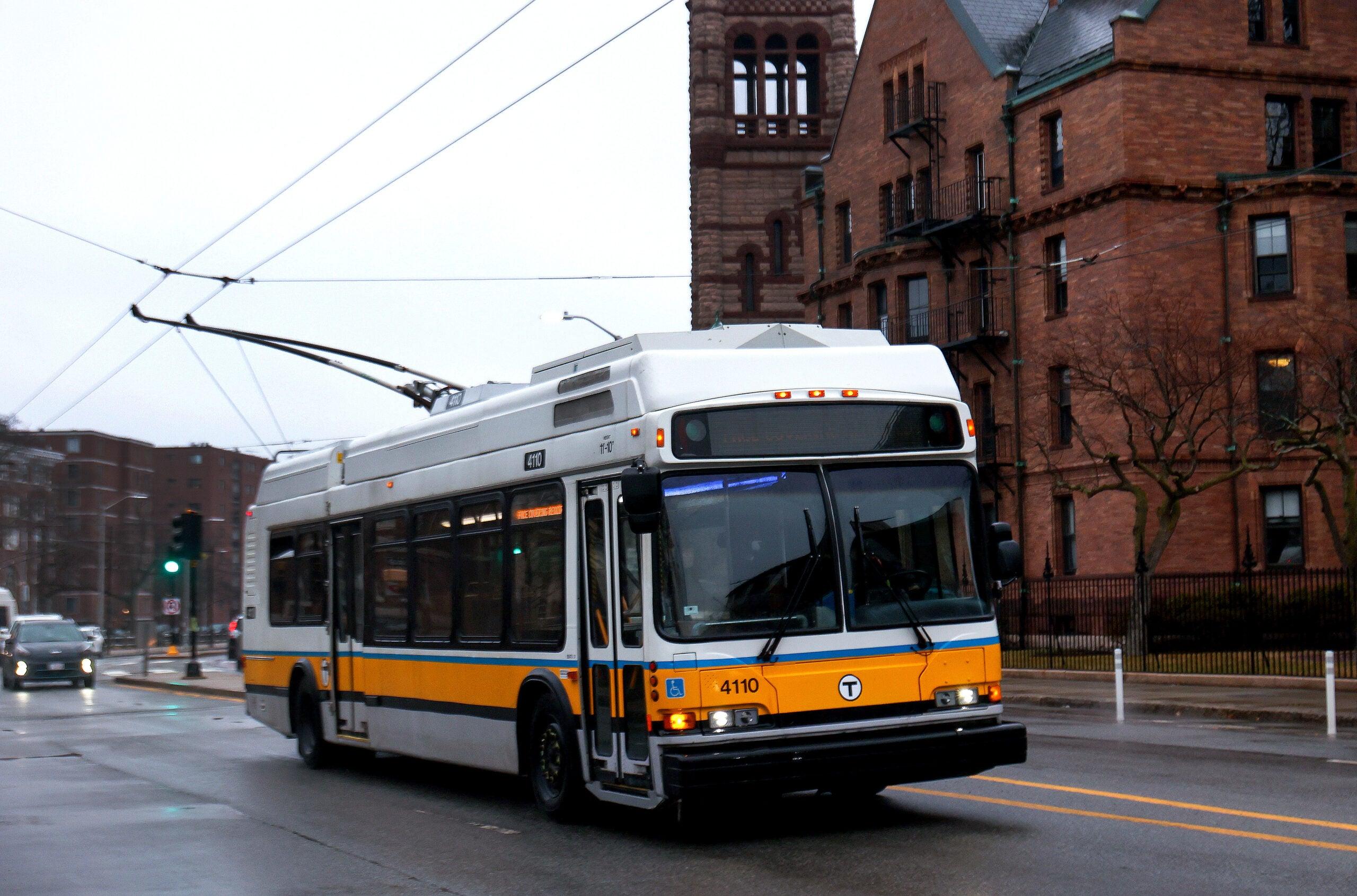
Massachusetts has announced the launch of new electric bus pilot programs aimed at reducing greenhouse gas emissions and promoting sustainable public transportation across the state. This initiative is part of the Commonwealth’s broader commitment to combating climate change while enhancing transit options for residents. The pilot programs will deploy electric buses in key areas, marking a notable step toward cleaner, more efficient urban mobility in Massachusetts.
Table of Contents
- Massachusetts Advances Clean Transit with New Electric Bus Initiatives
- Assessing Environmental Impact and Community Benefits of Electric Bus Pilots
- Key Challenges and Solutions in Implementing Electric Bus Technology
- Strategic Recommendations for Expanding Electric Bus Fleets Statewide
- In Retrospect
Massachusetts Advances Clean Transit with New Electric Bus Initiatives
Massachusetts has unveiled ambitious pilot programs aimed at accelerating the adoption of electric buses across its public transit networks. These initiatives mark a significant step toward reducing greenhouse gas emissions and improving air quality in urban and suburban areas. The state’s commitment includes deploying a diverse fleet of electric buses equipped with cutting-edge battery technology to serve key routes in Boston and surrounding communities. Officials emphasize that this move enhances the sustainability of public transportation while providing residents with quieter, cleaner rides.
Key highlights of the new programs include:
- Investment in charging infrastructure to support rapid and efficient bus turnaround times;
- Collaborations with local manufacturers and technology providers to foster innovation and job creation;
- Data-driven assessments to monitor performance and environmental impact throughout the pilot phase;
- Community engagement efforts to ensure equitable transit access and public feedback integration.
These strategic moves aim to position Massachusetts as a leader in clean transit solutions and pave the way for a fully electrified bus fleet in the near future.
Assessing Environmental Impact and Community Benefits of Electric Bus Pilots
Early analyses of Massachusetts’ electric bus pilots reveal marked reductions in both local air pollutants and greenhouse gas emissions, positioning these programs as critical tools in the fight against climate change and urban air quality degradation.Compared to conventional diesel and compressed natural gas buses,electric models produce:
- Significantly lower tailpipe emissions, virtually eliminating nitrogen oxides (NOx) and particulate matter (PM) that contribute to respiratory ailments.
- Substantial reductions in carbon dioxide (CO2) emissions, especially when charged with clean electricity from Massachusetts’ growing renewable grid.
- Quieter operation, contributing to noise pollution relief in densely populated neighborhoods.
Community benefits are already becoming apparent beyond environmental metrics, with residents reporting improved air quality and enhanced public health outcomes. The pilots also promote equity by improving access to clean, reliable transit for underserved populations. Key social impacts include:
- Health improvements through reduced exposure to harmful pollutants.
- Economic opportunities, including jobs in electric vehicle maintenance and infrastructure development.
- Strengthened public engagement and awareness of sustainable transport solutions.
Key Challenges and Solutions in Implementing Electric Bus Technology
Transitioning to electric bus technology presents a range of technical and logistical challenges. Battery capacity and range limitations remain foremost concerns, impacting the reliability of buses on longer routes without frequent recharging. Additionally, integrating charging infrastructure into existing transit depots requires significant investment and coordination with local utilities. Operators must also address the training gap for maintenance staff unfamiliar with high-voltage systems, while ensuring minimal disruption to daily service during the transition period. These challenges highlight the need for careful planning and phased implementation to maintain operational efficiency.
Despite these hurdles, innovative solutions are emerging to accelerate deployment. Transit agencies are adopting smart charging networks that optimize energy use and reduce strain on the grid. Collaborative partnerships with utility companies help secure funding and streamline infrastructure projects. Battery technology advancements, such as rapid charging and increased energy density, are extending operational ranges, while dedicated training programs prepare technicians and drivers for the shift.Moreover,pilot programs enable agencies to identify practical issues and refine strategies before wider rollouts,underscoring a pragmatic approach to scaling electric bus adoption.
Strategic Recommendations for Expanding Electric Bus Fleets Statewide
To accelerate the statewide deployment of electric buses, policymakers should prioritize targeted investments in charging infrastructure, ensuring accessibility across urban and rural communities alike. Leveraging public-private partnerships can mobilize capital efficiently,reduce upfront costs,and foster technological innovation. Additionally, integrating workforce training programs will equip transit operators and maintenance personnel with the specialized skills required for electric vehicle support, creating local green jobs and enhancing system reliability.
Strategic allocation of federal and state incentives should focus on maximizing environmental benefits and cost-effectiveness. Emphasizing pilot projects in high-traffic corridors will generate valuable data to refine operational efficiencies, while deploying scalable solutions like energy management systems will optimize grid interaction and reduce overall emissions. Statewide collaboration among transit agencies can facilitate knowledge-sharing and standardization, streamlining fleet expansion with consistent performance benchmarks.
- Expand public charging networks for seamless bus operations
- Engage local workforce through dedicated EV training initiatives
- Use data-driven pilot programs to inform large-scale rollout
- Promote inter-agency collaboration for unified standards
- Incentivize emissions reductions via targeted funding
In Retrospect
As Massachusetts embarks on its electric bus pilot programs, the state is taking a decisive step toward reducing transportation emissions and promoting sustainable urban transit. This initiative not only reflects Massachusetts’ commitment to environmental innovation but also sets a precedent for other states aiming to modernize their public transportation systems. With these pilot programs underway, the Commonwealth is poised to make significant progress in its broader climate goals, reaffirming its role as a leader in clean energy and environmental stewardship.