
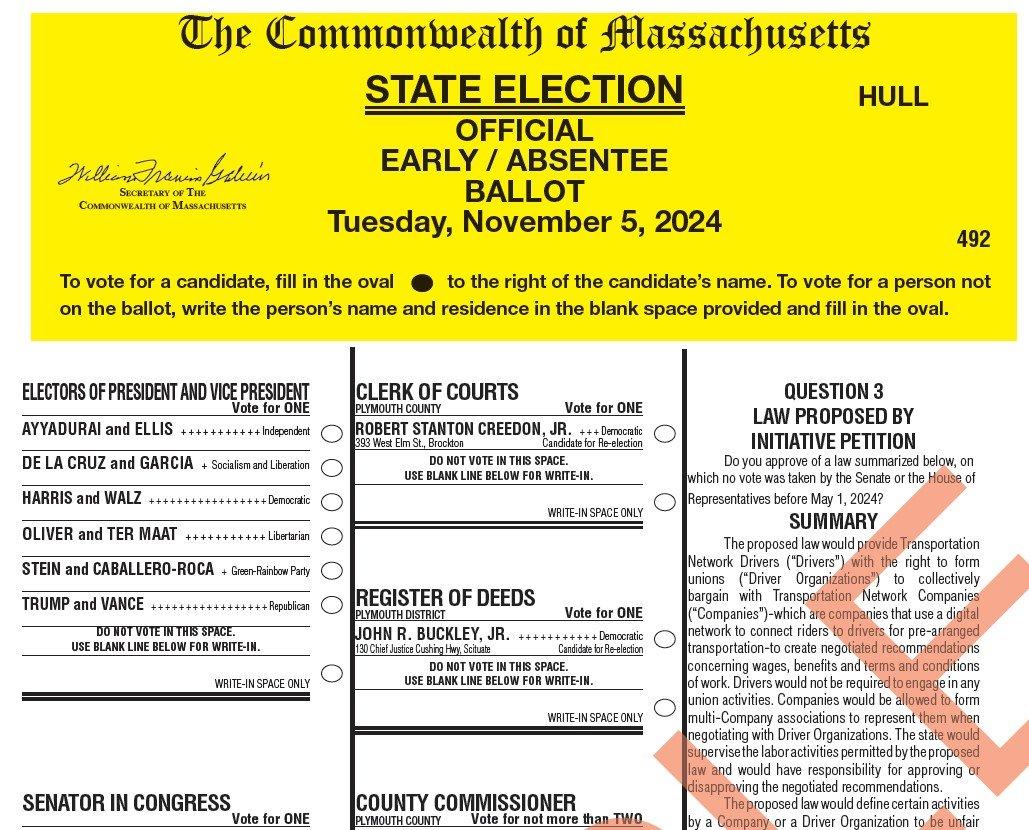
The Massachusetts House is currently considering a new bill aimed at expanding early voting opportunities across the state. The proposed legislation seeks to make early voting more accessible to a broader range of voters,potentially increasing voter participation in upcoming elections. Lawmakers are debating the measure’s provisions as part of ongoing efforts to enhance the electoral process and ensure greater convenience at the ballot box.
Table of Contents
- Massachusetts House Debates Proposed Expansion of Early Voting Period
- Key Provisions and Potential Impact on Voter Accessibility
- Challenges and Opposition Facing the Early Voting Bill
- Recommendations for Ensuring Effective Implementation and Outreach
- In Retrospect
Massachusetts House Debates Proposed Expansion of Early Voting Period
The Massachusetts House is actively engaged in reviewing a bill poised to extend the state’s early voting period, a move aimed at increasing voter accessibility and turnout. Advocates highlight that expanding early voting days would reduce congestion at polling places on Election Day and offer greater flexibility for voters juggling work, family, or other commitments. Lawmakers are considering various options for the extension, including starting early voting up to three weeks prior to Election Day.
Supporters emphasize several key benefits of the proposed expansion:
- Improved voter participation by accommodating diverse schedules
- Enhanced public health safety through smaller daily voter crowds
- Strengthened election administration with a more manageable voting process
Opponents, though, voice concerns about the cost implications and the logistical challenges election officials may face in managing a longer voting period.The debate continues as the House seeks to balance inclusivity with practical execution ahead of upcoming election cycles.
Key Provisions and Potential Impact on Voter Accessibility
The proposed legislation aims to significantly broaden early voting opportunities across Massachusetts, extending the early voting period from the current 10 days to 20 days before Election Day. This extension is designed to provide greater flexibility for voters balancing work, family, and other obligations. Additionally, the bill mandates the expansion of early voting locations, especially in underserved communities, to ensure equitable access nonetheless of geographic or socioeconomic barriers. These provisions also include enhanced hours during weekdays and weekends to accommodate more voters.
Key features of the bill include:
- Doubling early voting days to 20, starting three weeks prior to elections.
- Increasing the number of early voting sites in urban and rural areas alike.
- Extended operating hours, including evenings and weekends.
- Improved voter education campaigns about early voting options.
Advocates argue these changes will reduce Election Day congestion and remove barriers for traditionally underrepresented groups, potentially boosting overall turnout. Critics, however, raise concerns about the logistical challenges and budget impacts related to implementing the expanded schedule. If passed, Massachusetts could set a precedent in New England for making voting more accessible and convenient for all residents.
Challenges and Opposition Facing the Early Voting Bill
Despite growing support for expanding early voting access, the bill faces significant resistance from several key stakeholders.Opponents argue that extending the early voting period could lead to increased administrative costs and strain already limited election resources. Some also raise concerns about the potential for voter fraud during the extended timeframe, insisting that current safeguards might potentially be insufficient.Additionally,certain legislators worry that a prolonged voting window might complicate the verification process,impacting election security and integrity.
Critics highlight several challenges that must be addressed before the bill can move forward:
- Ensuring adequate funding to cover additional staffing and materials;
- Balancing expanded access with maintaining tight security measures;
- Preventing voter confusion stemming from overlapping voting timelines;
- Addressing opposition from local election officials wary of operational disruptions.
Proponents counter these points by emphasizing the importance of inclusivity and voter convenience, but the debate underscores the complexity of reforming Massachusetts’ electoral processes amid diverse viewpoints.
Recommendations for Ensuring Effective Implementation and Outreach
To ensure the expanded early voting measures are successfully executed, collaboration between state officials, local election boards, and community organizations is critical. Key strategies include:
- Investing in robust training programs for poll workers to maintain consistency and efficiency across all early voting sites.
- Implementing user-friendly technology to streamline voter check-in and ballot processing.
- Establishing clear communication channels to quickly address logistical challenges during the early voting period.
Outreach efforts should prioritize inclusivity and accessibility by targeting diverse communities through tailored messaging and multiple platforms. Recommended approaches involve:
- Partnering with local nonprofits and civic groups to reach underserved populations.
- Deploying multilingual voter education campaigns to break down barriers for non-English speakers.
- Utilizing social media, local news outlets, and grassroots events to inform voters about early voting options and deadlines.
In Retrospect
As the Massachusetts House moves forward with discussions on expanding early voting, stakeholders across the state watch closely, recognizing the potential impact on voter accessibility and election participation.The outcome of this legislation could mark a significant shift in how elections are conducted in Massachusetts, reflecting growing national conversations about voting reform. Lawmakers are expected to continue debates in the coming weeks,with decisions that may shape the state’s democratic process for years to come.