
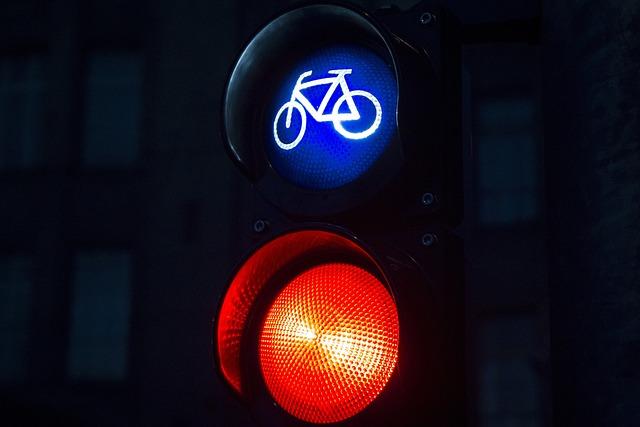
Cities worldwide are embracing a new era in traffic management and control, driven by innovative technologies that promise to transform the way urban mobility operates. From smart sensors and AI-powered traffic lights to real-time data analytics, these groundbreaking solutions are reshaping road networks to reduce congestion, enhance safety, and improve commuter experiences. As urban populations rise and transportation demands grow, such advancements are becoming essential tools in crafting more efficient and sustainable traffic systems, signaling a meaningful shift in how cities tackle one of their most persistent challenges. This article explores the latest innovations revolutionizing traffic management and their far-reaching impacts.
Table of Contents
- Emerging Smart Traffic Systems Transform Urban Mobility
- AI and Machine Learning Drive Real-Time Traffic Optimization
- Integrating IoT Sensors Enhances Traffic Flow and Safety
- Policy Recommendations for Adopting Next-Generation Traffic Technologies
- Key Takeaways
Emerging Smart Traffic Systems Transform Urban Mobility
Urban centers worldwide are witnessing a rapid deployment of smart traffic systems that harness the power of AI,IoT,and real-time data analytics to mitigate congestion and improve travel efficiency. These cutting-edge frameworks enable dynamic traffic signal adjustments, predictive route planning, and seamless integration with public transportation networks. Consequently, cities can reduce carbon emissions, decrease commute times, and enhance pedestrian safety, making urban environments more livable and sustainable.
Key innovations driving this transformation include:
- Adaptive traffic signals that respond in real-time to fluctuating traffic volumes and emergency vehicles.
- Sensor-embedded roadways collecting data for predictive analytics and preventative maintenance.
- Connected vehicle technology enabling dialog between vehicles and infrastructure to prevent collisions and smooth traffic flow.
- Integrated mobility platforms that unify multimodal transit options, encouraging smart travel behavior.
Governments and private sector partnerships are crucial in scaling these innovations, ensuring equitable access and robust data security. As urban populations continue to grow, leveraging smart traffic management is proving indispensable in creating resilient and future-ready cities that prioritize people over gridlock.
AI and Machine Learning Drive Real-Time Traffic Optimization
Artificial intelligence and machine learning algorithms are transforming how cities tackle one of their most persistent challenges: traffic congestion. By continuously analyzing vast streams of data from cameras,sensors,and connected vehicles,these technologies enable dynamic traffic signal adjustments that react in real time to changing road conditions. The result is a smarter, more fluid traffic flow that minimizes delays, reduces emissions, and improves safety for drivers and pedestrians alike.
Key advancements include:
- Predictive analytics that forecast traffic surges based on historical patterns and live events
- Automated rerouting to alleviate bottlenecks caused by accidents or construction
- Integration with public transit systems to prioritize buses and emergency vehicles
These innovations empower urban planners to respond swiftly to evolving conditions, heralding a new era of intelligent transportation management that can adapt in real time to keep cities moving efficiently.
Integrating IoT Sensors Enhances Traffic Flow and Safety
Cities worldwide are leveraging Internet of Things (IoT) sensors to transform traffic systems into dynamic, intelligent networks. These sensors collect real-time data on vehicle density, speed, and pedestrian movement, enabling traffic lights to adjust automatically and reduce congestion. The integration of IoT devices facilitates proactive measures such as early detection of accidents and road hazards, allowing for quicker emergency responses and safer roadways. This tech-driven approach reduces idle times and emissions, making urban traffic flow both smoother and greener.
Beyond improving flow, these smart sensors enhance safety by continuously monitoring critical traffic variables and communicating with connected vehicles. Key benefits include:
- Real-time hazard alerts that warn drivers of upcoming obstacles or hazardous weather conditions.
- Adaptive traffic signals that prioritize emergency vehicles and public transit.
- Data-driven infrastructure planning based on detailed traffic pattern analyses.
As these technologies expand, urban planners anticipate a significant reduction in accidents and an overall safer transportation ecosystem powered by seamless sensor-to-system communication.[3]
Policy Recommendations for Adopting Next-Generation Traffic Technologies
To fully realize the benefits of next-generation traffic technologies, policymakers must prioritize creating a cohesive framework that balances innovation with public safety and privacy concerns. This includes establishing clear regulations for data sharing between public agencies and private tech firms, along with robust cybersecurity standards to protect sensitive transportation infrastructure.Investment in scalable pilot projects will allow cities to evaluate real-world impacts and refine implementations before widespread adoption. Additionally, fostering public-private partnerships can accelerate the development and deployment of smart traffic systems, ensuring solutions remain adaptable to evolving technological landscapes.
Key recommendations include:
- Developing interoperable standards to enable seamless communication across various traffic management platforms and devices.
- Incentivizing innovation through grants and tax credits for cities integrating AI-driven traffic solutions and vehicle-to-infrastructure communication.
- Enhancing workforce training programs focused on the management and maintenance of advanced transportation technologies.
- Prioritizing equity to ensure underserved communities benefit equally from improved traffic efficiency and safety measures.
- Ensuring clarity in data collection and usage to build public trust and encourage community engagement in traffic modernization initiatives.
Key Takeaways
As cities continue to grow and traffic volumes increase, the integration of innovative technologies in traffic management is proving indispensable. From real-time data analytics to intelligent traffic signals and advanced monitoring systems, these breakthroughs are not only easing congestion but also enhancing safety and sustainability on our roads. The ongoing advancements promise a future where traffic control is more responsive, efficient, and adaptive than ever before-transforming the way we move through our urban landscapes. For the latest updates and real-time traffic conditions, tools such as those provided by Redmond’s traffic cameras and alerts offer valuable insights into the evolving landscape of traffic management [[1]](https://gis.redmond.gov/traffic/).