
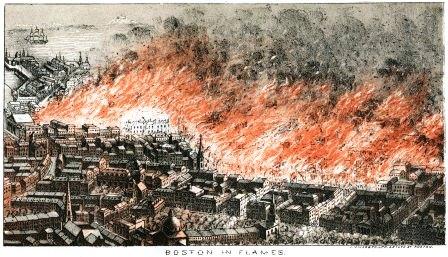
On November 9, 1872, a devastating fire swept through Boston, leaving vast swaths of the city in ruins and reshaping its physical and social landscape. The blaze, which raged for nearly two days, destroyed hundreds of buildings in the downtown area, prompting a massive rebuilding effort that would transform Boston’s architecture, infrastructure, and urban planning. This pivotal event not only exposed vulnerabilities in the city’s emergency response and building codes but also served as a catalyst for modernization and growth, ultimately redefining Boston’s cityscape for generations to come.
Table of Contents
- The Devastation and Immediate Aftermath of the 1872 Boston Fire
- Architectural Innovation and the Rise of Fire-Resistant Building Materials
- Urban Planning Reforms and the Creation of Safer Public Spaces
- Lessons for Modern Cities from Boston’s Post-Fire Reconstruction Efforts
- Key Takeaways
The Devastation and Immediate Aftermath of the 1872 Boston Fire
Flames engulfed Boston’s commercial heart on the evening of November 9,1872,rapidly consuming over 776 buildings across nearly 65 acres. The inferno left streets unrecognizable, reducing the city’s bustling financial district to smoldering ruins. Businesses,warehouses,and historic structures were lost in mere hours,plunging thousands into sudden unemployment and hardship. The devastation extended beyond physical damage; vital records and businesses’ inventories were irrevocably destroyed, representing a catastrophic blow to Boston’s economic stability.
In the fire’s immediate aftermath, rescue and relief efforts mobilized swiftly amid the rubble. Mayor Whitmore declared a state of emergency, and citizens banded together in urgent recovery operations. Key responses included:
- Temporary shelters were established for displaced residents and workers.
- Financial aid from local philanthropists and business leaders provided critical support for rebuilding.
- Emergency municipal directives focused on clearing debris and restoring essential services.
Despite the overwhelming destruction, the resilience of Boston’s community set the stage for a determined reconstruction phase, laying the groundwork for transformative urban renewal.
Architectural Innovation and the Rise of Fire-Resistant Building Materials
In the aftermath of the devastating 1872 fire, Boston witnessed a pivotal shift in its architectural philosophy, embracing innovation driven by necessity. City planners and architects prioritized fire-resistant materials,reshaping the urban fabric with new standards for safety and durability. Brick and stone replaced much of the city’s wooden infrastructure, while iron and steel emerged as fundamental elements in construction, bolstering structural resilience against future blazes. This movement not only redefined Boston’s skyline but also set new precedents in American urban design, highlighting a forward-thinking commitment to public safety.
Key advancements included:
- Widespread adoption of fireproof bricks and masonry for building exteriors
- Introduction of iron framing to enhance structural integrity
- Regulatory reforms demanding fireproof roofing materials and fire stops within buildings
- Implementation of wider streets and firebreaks designed to curb the rapid spread of flames
These strategies collectively transformed Boston into a model for architectural resilience, blending aesthetic progression with practical safety measures. The city’s post-fire reconstruction era became a blueprint for other urban centers grappling with fire risks, marking a significant evolution in the relationship between technology and urban survival.
Urban Planning Reforms and the Creation of Safer Public Spaces
In the aftermath of the 1872 Boston Fire, city planners and officials launched an enterprising overhaul of urban design standards, marking a pivotal shift toward resilience and safety. Narrow, combustible wooden buildings gave way to wider streets and open spaces that not only slowed the spread of fire but also improved access for emergency responders. The city embarked on a rigorous implementation of new building codes mandating fireproof materials, combining architectural innovation with practical safety measures. This transformation laid the groundwork for a more organized and less congested cityscape, directly addressing vulnerabilities exposed by the disaster.
Public spaces were reimagined as vital community assets that doubled as safety buffers. Parks and plazas were intentionally integrated into the urban fabric, serving as gathering spots and emergency refuges. Key elements of the reform included:
- Expanded roadways to facilitate movement and quick evacuation;
- Creation of strategically placed open areas that acted as natural firebreaks;
- Enhanced infrastructure such as improved water supply systems to aid firefighting efforts.
These changes not only improved public safety but also fostered a sense of civic pride, setting a new standard for urban development in Boston and influencing urban planning practices nationwide.
Lessons for Modern Cities from Boston’s Post-Fire Reconstruction Efforts
Boston’s rebuilding after the devastating 1872 fire offers a blueprint for resilience and forward-thinking urban design in today’s metropolises. Planners prioritized wider streets to improve access for emergency services and reduce fire risks, a move that modern cities can emulate to enhance disaster response capabilities. The reconstruction also emphasized the use of fire-resistant materials like brick and stone, demonstrating how building codes adapted to past calamities can safeguard urban environments against future hazards.
Key takeaways for contemporary cities include:
- Embracing innovative infrastructure: Incorporating robust fire safety systems and adaptable public spaces that meet evolving community needs.
- Strategic urban planning: Designing with disaster mitigation in mind-such as thoughtful zoning and enhanced public accessibility.
- Community engagement: Involving citizens in rebuilding efforts to foster a shared sense of ownership and resilience.
By integrating these lessons, cities can not only recover from crises more effectively but also build a foundation for safer, smarter, and more sustainable urban living.
Key Takeaways
The 1872 Boston Fire stands as a pivotal moment in the city’s history, reshaping not only its physical landscape but also its approach to urban planning and public safety. The devastation prompted a wave of modern construction techniques and stricter building codes that laid the foundation for the vibrant,resilient Boston we see today. Reflecting on this transformative event reveals how tragedy can ignite progress, leaving a legacy that continues to influence the city’s architectural and cultural identity more than a century later.