
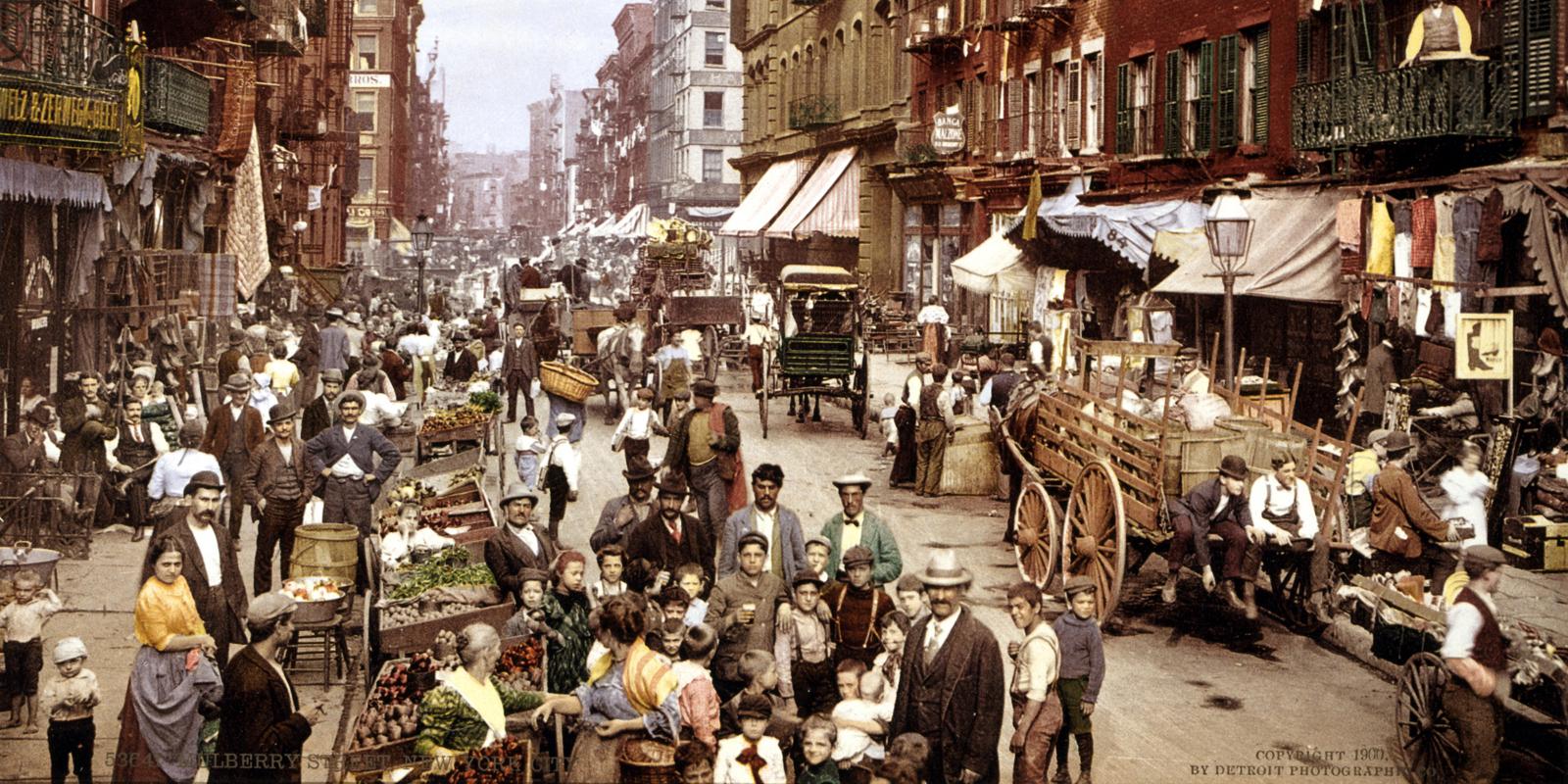
As the engines of progress roared to life in the 18th and 19th centuries, cities emerged as the critical hubs driving the Industrial Revolution’s unprecedented transformation. Urban centers not only provided the dense populations and labor forces essential for booming factories but also fostered the networks of trade, innovation, and infrastructure that propelled industrial growth. Exploring the vital role cities played reveals how their unique social and economic landscapes catalyzed the shift from agrarian economies to mechanized industry,laying the foundations of the modern world. This article delves into how the rise of cities was inseparable from the rise of industrial power, reshaping societies in ways still felt today.
Table of Contents
- Cities as Catalysts for Industrial Innovation and Growth
- Urban Infrastructure and Its Role in Accelerating Manufacturing
- The Social Dynamics Driving Workforce Expansion in Industrial Cities
- Policy Recommendations for Modern Urban Development Inspired by Industrial Era Successes
- To Wrap It Up
Cities as Catalysts for Industrial Innovation and Growth
Urban centers emerged as the powerhouse of industrial transformation during the Industrial Revolution, fostering an habitat where innovation thrived and economic growth accelerated. Cities provided a unique concentration of resources – from an abundant labor force to ready access to raw materials and markets - that made large-scale industrial production feasible. The density of population created a dynamic ecosystem where ideas circulated rapidly, leading to the proliferation of factories, mechanized processes, and technological breakthroughs that redefined manufacturing.
Key factors that positioned cities as innovation hubs included:
- Infrastructural advancements: Enhanced transportation networks such as railways and ports connected urban industries to global trade
- Skilled workforce: Migration to cities attracted diverse talent pools, catalyzing new inventions and specialized craftsmanship
- Entrepreneurial culture: Proximity of banks, investors, and institutions nurtured the funding and growth of industrial ventures
By concentrating these elements within metropolitan areas, cities not only stimulated the production of goods but also reshaped social structures and economic systems, marking their indispensable role in the rise of industrial society.
Urban Infrastructure and Its Role in Accelerating Manufacturing
Urban areas have long been the crucibles of industrial progress, where the development of infrastructure laid the foundation for manufacturing booms. Efficient transportation networks, reliable energy supply, and interaction systems created interconnected hubs that accelerated production cycles and reduced costs. As factories sprouted and expanded, the proximity to labor pools and suppliers fostered innovation and specialization, empowering cities to become powerhouses of industrial activity. Today’s challenges echo this past, with modern urban infrastructure investments poised to unlock unprecedented manufacturing growth by supporting climate-resilient and inclusive economic frameworks.
Key factors that made urban infrastructure vital for manufacturing expansion include:
- Integrated transport systems: enabling swift movement of raw materials and finished goods.
- Energy networks: powering machinery and facilitating around-the-clock production.
- Water and waste management: ensuring lasting factory operations amidst urban density.
- Technological connectivity: fostering innovation and real-time decision-making.
Building resilient infrastructure tailored for manufacturing not only boosts productivity but also future-proofs cities against climate risks, as seen in emerging economic hubs around the world. Strategic urban planning and investments are critical in shaping cities as engines of industrial growth and sustainability for decades to come.
The Social Dynamics Driving Workforce Expansion in Industrial Cities
Urban migration patterns dramatically reshaped the social fabric of industrializing cities, fueling an unprecedented workforce boom.Rural populations, driven by the promise of steady wages and new opportunities, flocked to burgeoning industrial hubs. This mass influx cultivated densely packed neighborhoods where a diverse, skilled, and unskilled labor force emerged, ready to power the mechanized factories that defined the era. The social dynamics of these communities were marked by a complex interplay of cooperation and competition,as residents navigated cramped living conditions alongside the hope of economic advancement.
Central to sustaining this workforce growth was the rise of interconnected social networks and support systems. Informal institutions such as mutual aid societies, labor unions, and community organizations provided critical resistance against exploitative labor practices and fostered a sense of collective identity. Among the driving forces were:
- Family migration chains that eased relocation stresses and strengthened communal ties.
- Urban infrastructure developments, including improved transportation and housing initiatives facilitating worker circulation and retention.
- Shared cultural traditions that forged solidarity amid tumult and adaptation.
Policy Recommendations for Modern Urban Development Inspired by Industrial Era Successes
Modern urban development can draw powerful lessons from the Industrial Era, where strategic investments in infrastructure and resource management fueled economic and social transformation. Today’s policymakers should prioritize the creation of robust transport networks, efficient energy systems, and adaptable industrial zones that foster innovation and connectivity. Emphasizing resilience and inclusivity will ensure that urban growth not only drives economic prospect but also accommodates diverse populations, reducing inequalities intensified by rapid urbanization.
To replicate the successes of the past, contemporary city planners must integrate:
- Multimodal transport solutions that reduce congestion and link economic hubs;
- Green infrastructure investments that mitigate environmental impacts and promote sustainability;
- Flexible zoning regulations that encourage mixed-use developments and adaptive reuse of industrial spaces;
- Inclusive urban policies that provide affordable housing and access to essential services, ensuring equitable growth.
By aligning urban strategies with these core principles from the Industrial Revolution’s rise, cities can unlock new economic potential and build a foundation for resilient, low-carbon growth in the 21st century.
To Wrap It Up
As cities expanded and industrialized, they became the epicenters of innovation, economic growth, and social transformation that defined the Industrial Revolution. These urban hubs not only powered the rise of factories and technologies but also reshaped the very fabric of society, laying the groundwork for the modern world. Understanding the pivotal role cities played offers valuable insights into how future technological revolutions,such as the ongoing Fourth Industrial Revolution,might continue to evolve and influence our lives worldwide. The story of urban-driven industrialization remains a powerful reminder of how human ingenuity and infrastructure together shape history.