
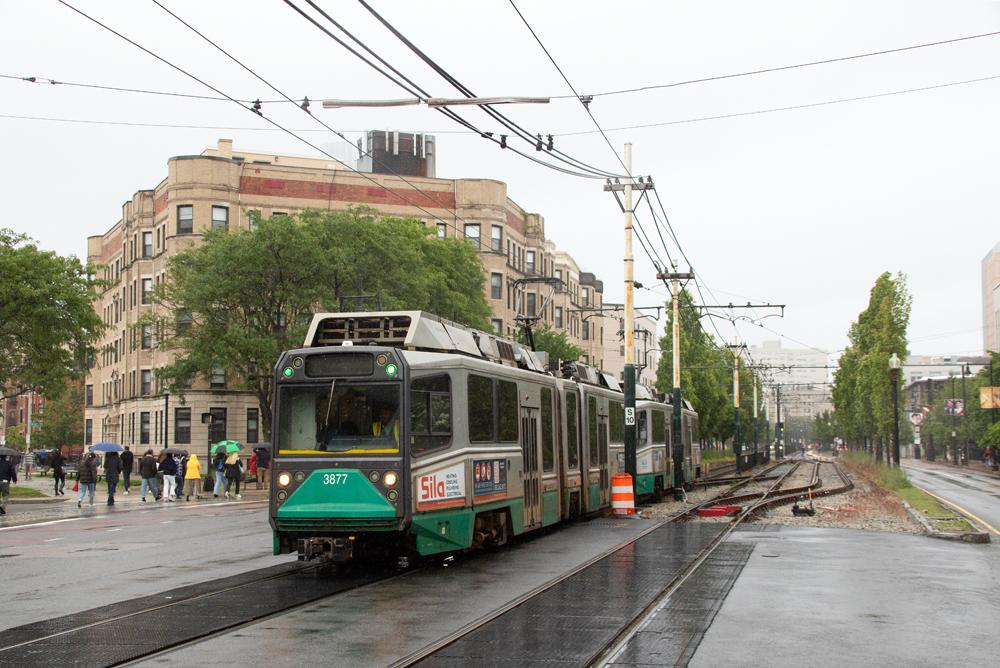
Governor Maura Healey has announced an ambitious $8 billion transportation plan aimed at revitalizing infrastructure across the state while significantly increasing funding for local projects. The comprehensive strategy seeks to address critical transit needs, reduce congestion, and enhance public safety, positioning communities for long-term growth and improved connectivity. The governor emphasized the plan’s focus on boosting local investments, ensuring that municipalities receive targeted resources to tackle unique transportation challenges effectively.
Table of Contents
- Governor Healey Prioritizes Infrastructure Upgrades Across Urban and Rural Areas
- Funding Allocated to Enhance Public Transit Systems and Reduce Traffic Congestion
- New Initiatives Target Road Safety Improvements and Bridge Repairs
- Local Communities to Benefit from Tailored Transportation Grants and Economic Stimulus
- to sum up
Governor Healey Prioritizes Infrastructure Upgrades Across Urban and Rural Areas
Governor Healey’s ambitious $8 billion transportation initiative signals a notable leap forward for both metropolitan hubs and outlying communities.By committing substantial funding to upgrade roads, bridges, and public transit systems, the administration aims to enhance connectivity and safety across diverse regions. This comprehensive approach ensures that urban centers receive state-of-the-art transit improvements while rural areas benefit from critical repairs and modernization efforts,narrowing the infrastructure gap that has long divided the state.
Key priorities include:
- Revamping congested city streets to ease traffic flow and support economic growth.
- Strengthening rural bridges and roadways to guarantee safer travel and better access to services.
- Expanding transit options to decrease environmental impact and enhance commuter experience statewide.
With this plan, Healey underscores her commitment to balanced, inclusive growth – ensuring no community is left behind in the push toward modern, resilient infrastructure.
Funding Allocated to Enhance Public Transit Systems and Reduce Traffic Congestion
Governor Healey’s ambitious transportation plan allocates a significant portion of the $8 billion budget toward modernizing and expanding public transit infrastructure. This funding aims to significantly reduce traffic congestion by enhancing existing networks and introducing innovative transit solutions across urban and suburban areas. Key investments will focus on upgrading bus fleets to electric models, expanding rail lines, and improving station accessibility, ensuring safer and more efficient commutes for thousands of daily riders.
Moreover, the plan prioritizes technologies and projects that encourage sustainable travel habits, relieving pressure on congested roadways. Highlights include:
- Expansion of dedicated bus lanes to streamline traffic flow and boost bus service reliability.
- Implementation of smart traffic management systems to optimize signals and reduce bottlenecks.
- Increased funding for bike-share programs and pedestrian infrastructure to promote choice, eco-friendly transit options.
These measures are designed to harmonize the region’s transit ecosystem, curbing emissions and enhancing quality of life for commuters.
New Initiatives Target Road Safety Improvements and Bridge Repairs
Governor Healey’s ambitious $8 billion transportation strategy places a sharp focus on enhancing road safety and addressing critical bridge infrastructure needs across the state. The plan earmarks significant funding to replace aging bridges, many of which have long been flagged as structurally deficient, while simultaneously implementing state-of-the-art safety measures on major highways and local roads. This dual approach aims to reduce traffic fatalities and improve long-term resilience against increasing wear and climate-related stresses.
Key components of the initiative include:
- Comprehensive bridge assessments to prioritize repair schedules and maximize impact.
- Installation of smart traffic sensors and enhanced lighting to mitigate accident risks during adverse conditions.
- Community engagement programs to involve local stakeholders in identifying hazardous travel corridors.
- Dedicated funding pools for emergency bridge repairs to accelerate response times and minimize disruptions.
By aligning infrastructure renewal with cutting-edge safety technology and public input, the administration aims not only to modernize the state’s transportation framework but also to foster safer, more reliable travel for residents and visitors alike.
Local Communities to Benefit from Tailored Transportation Grants and Economic Stimulus
Governor Healey’s ambitious $8 billion transportation initiative promises significant financial support tailored specifically for local communities, aiming to drive both infrastructure betterment and economic recovery. Central to this plan is a series of targeted grants devised to address unique regional needs, focusing on enhancing road safety, public transit accessibility, and sustainable mobility solutions. These funds will empower municipalities to prioritize projects that directly benefit residents, fostering inclusive growth and ensuring that investment translates into tangible daily improvements.
The economic stimulus embedded within the plan also includes:
- Job creation opportunities in construction, planning, and public transit sectors;
- Support for small businesses impacted by transportation disruptions or seeking to expand access;
- Improved logistical networks to streamline local goods movement, enhancing market connectivity.
This comprehensive approach not only addresses immediate infrastructure needs but also sets a foundation for long-term economic resilience across diverse communities statewide.
In Conclusion
Governor Healey’s ambitious $8 billion transportation plan signals a significant shift toward improving infrastructure while addressing the specific needs of local communities. As the state moves forward with these investments, the success of the plan will depend on careful implementation and continued engagement with affected areas. Stakeholders and residents alike will be watching closely to see how these upgrades translate into tangible benefits on the ground in the coming years.