
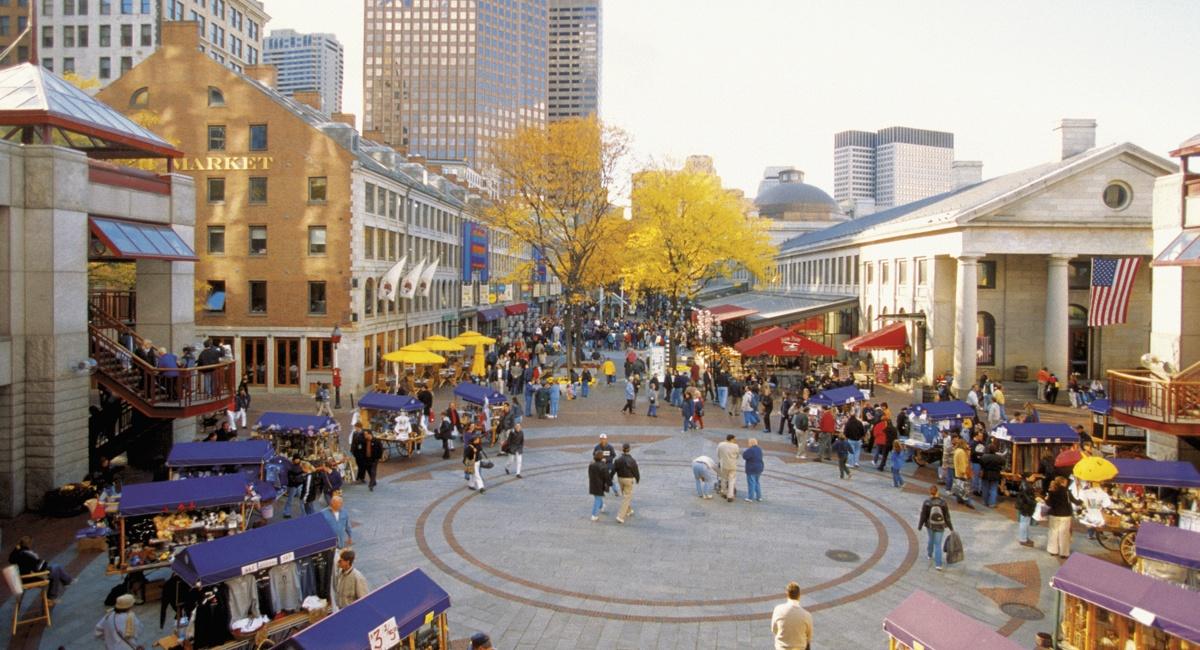
Faneuil Hall, often hailed as “The Cradle of Liberty,” stands as a cornerstone of Boston’s rich historical tapestry. Since its establishment in 1742, this iconic marketplace and meeting hall has been at the heart of public discourse and civic engagement, serving as a vibrant gathering space where generations have debated and shaped the meaning of American liberty. Gifted to the city by merchant Peter Faneuil, the hall has evolved from a colonial meeting place into a dynamic marketplace, embodying the enduring spirit of democracy and community in Boston’s downtown core[[1]](https://www.nps.gov/bost/learn/historyculture/fh.htm)[[2]](https://thetouristchecklist.com/faneuil-hall/)[[3]](https://thelibertytrail.org/ma/trail-sites/historic-sites/faneuil-hall).
Table of Contents
- Faneuil Hall’s Role in Shaping Boston’s Political Landscape
- Architectural Evolution and Preservation of a Historic Landmark
- Community Gatherings and Vibrant Marketplace Activities
- Visitor Tips for Exploring Boston’s Iconic Meeting Place
- Closing Remarks
Faneuil Hall’s Role in Shaping Boston’s Political Landscape
As its construction in 1742 by Peter Faneuil, this iconic hall has stood as a beacon for civic engagement and political discourse in Boston. As a designated meeting hall and marketplace, it rapidly became the platform where some of the most influential orators of the nation delivered impassioned speeches that galvanized public opinion and inspired revolutionary sentiment. Its walls have echoed with debates over colonial rights, independence, and democratic ideals, making it an indispensable venue in the city’s journey toward American self-governance.
Faneuil Hall’s meaning in shaping Boston’s political landscape extends beyond just speeches; it acted as a gathering place where citizens could voice their concerns and rally for change. Key features include:
- Historic debates that influenced early American political thought.
- Public assemblies serving as catalysts for revolutionary actions and local governance discussions.
- A continuous legacy as a symbol of free speech and public participation in democracy.
This dynamic role has cemented the hall as a fundamental fixture in Boston’s civic identity and an enduring emblem of its political heritage.
Architectural Evolution and Preservation of a Historic Landmark
Since its original construction in 1742, this iconic structure has undergone notable architectural transformations that reflect both the evolving tastes and practical needs of Boston’s citizenry. The most substantial renovation took place in 1806 when architect Charles Bulfinch expanded the hall, adding the famed cupola and the elegant Georgian-style facade that continues to define its silhouette today. This blend of colonial and Federal styles not only enhanced its aesthetic appeal but also symbolized the city’s growing prominence. Throughout its lifetime, the building has adapted to serve diverse functions-from marketplace to meeting hall-while maintaining its architectural integrity.
Preservation efforts have been a cornerstone in safeguarding this landmark’s historical and cultural significance. Boston’s commitment includes:
- Ongoing structural restorations to address age-related wear and ensure longevity
- Careful conservation of original materials and architectural details
- Integration of modern safety standards without compromising historical authenticity
These measures have allowed the site to remain a vibrant public space, bridging past and present. By balancing preservation with adaptive use, the hall continues to embody the spirit of democracy and community that has made it central to Boston’s identity for nearly three centuries.
Community Gatherings and Vibrant Marketplace Activities
As its establishment in 1742, Faneuil Hall has served as a pivotal gathering place where Boston’s citizens convene to exchange ideas, debate issues, and celebrate communal milestones.Known as “The Cradle of Liberty,” the hall’s rich legacy as a meeting hall continues today with lively public forums,political rallies,and cultural events that echo the spirit of free expression and civic engagement. This historic space remains a vibrant canvas for civic dialog,fueling Boston’s reputation as a city deeply rooted in democratic tradition.
Beyond its role as a forum for public discourse, Faneuil Hall thrives as a bustling marketplace that draws locals and tourists alike. Within its walls and the adjoining Quincy Market, visitors explore an eclectic mix of vendors offering:
- Artisanal foods and specialty goods
- Handcrafted souvenirs
- Live street performances
- Seasonal festivals and cultural celebrations
These dynamic marketplace activities create a sensory-rich experience, blending Boston’s historical ambiance with the energy of a modern urban marketplace, ensuring Faneuil Hall remains a beloved focal point for community life.
Visitor Tips for Exploring Boston’s Iconic Meeting Place
When planning your visit, timing is crucial to maximize your experience at this historic gathering spot. Early mornings and weekdays tend to be less crowded, offering a tranquil atmosphere to appreciate the architecture and absorb the rich history without the bustling crowds. Don’t forget to wear comfortable shoes, as exploring the surrounding Freedom Trail and nearby Quincy Market on foot is highly recommended.Weather can be unpredictable, so checking the forecast and dressing in layers will help keep you comfortable throughout your day.
To enrich your visit, consider these practical tips:
- Guided tours: Join a ranger-led or private tour for in-depth storytelling about the site’s pivotal role in American history.
- Photography: The iconic meeting place offers remarkable photo opportunities, especially during golden hour-bring a camera or smartphone ready.
- Local dining: Explore the myriad food stalls at Quincy Market post-visit to sample authentic New England cuisine and seasonal specialties.
- Respectful behavior: As a site of historical significance and active public gatherings, photographing with flash off and maintaining quiet in solemn areas is appreciated.
Closing Remarks
As Boston continues to evolve, Faneuil Hall remains a steadfast symbol of the city’s rich history and enduring spirit of public discourse. From its origins as a marketplace to its pivotal role in American independence, this historic hall stands as a testament to the power of community and civic engagement. Visitors and residents alike can reflect on the legacy of Faneuil Hall, a true cornerstone of Boston’s past and present, where voices have risen to shape the nation’s course.