
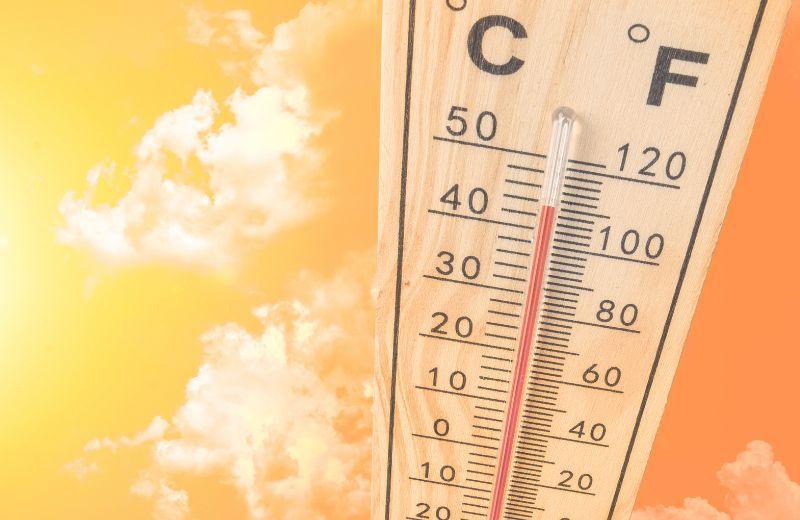
Extreme heat is emerging as a critical public health threat, disproportionately endangering vulnerable populations across the globe. As temperatures soar to unprecedented levels, communities already at risk-such as the elderly, young children, and those with preexisting health conditions-face heightened dangers from heat-related illnesses. Experts warn that without urgent measures to mitigate the impacts of extreme heat,these groups will experience a notable rise in hospitalizations and fatalities,underscoring an urgent need for immediate action.
Table of Contents
- Extreme Heat and Its Impact on Elderly and Chronically Ill Communities
- Understanding the Socioeconomic Barriers Exacerbating Heat Vulnerability
- Strategies for Municipalities to Enhance Cooling Infrastructure and Emergency Response
- Public Health Campaigns Focused on Awareness and Prevention During Heatwaves
- Future Outlook
Extreme Heat and Its Impact on Elderly and Chronically Ill Communities
Recent heatwaves have exposed how severely vulnerable populations-especially the elderly and those with chronic illnesses-are at risk when temperatures climb to extreme levels. Physiological factors such as reduced thermoregulation and pre-existing health conditions make it difficult for these groups to cope with soaring heat, often resulting in heat exhaustion, dehydration, and worsened cardiovascular or respiratory symptoms. Communities are witnessing an alarming increase in heat-related hospital admissions and mortality rates, emphasizing an urgent call for public health interventions.
Key risks include:
- Impaired ability to regulate body temperature due to aging or medication side effects
- Exacerbation of chronic diseases such as diabetes, heart disease, and asthma
- Limited mobility or social isolation reducing access to cooling environments
As climate change drives the frequency and severity of extreme heat events, targeted measures like community cooling centers, check-ins by healthcare providers, and education on hydration and early symptoms become crucial. Protecting these vulnerable groups requires coordinated efforts between healthcare systems,local governments,and families to mitigate the life-threatening impact of extreme heat.
Understanding the Socioeconomic Barriers Exacerbating Heat Vulnerability
Heat waves disproportionately impact those already grappling with socioeconomic challenges, compounding their risk and limiting their ability to adapt. People living in low-income neighborhoods often face inadequate housing with poor insulation and lack of access to air conditioning, forcing them to endure extreme temperatures indoors. Additionally, these communities typically have fewer green spaces that naturally mitigate heat and are located in urban heat islands, where concrete and asphalt exacerbate temperature spikes.Limited healthcare access and preexisting health conditions further deepen vulnerability, leaving individuals less equipped to respond to heat-related illnesses.
Social determinants of health intersect with heat vulnerability in complex ways. Essential workers who cannot afford to cease outdoor labor during heat waves are at elevated risk, as are elderly populations isolated without robust social support networks. The burden of heat stress also extends to challenges such as:
- Inadequate emergency response services in underfunded areas
- Financial constraints restricting use of cooling centers or resources
- Lack of public awareness about coping strategies and symptoms of heat-related distress
Addressing these barriers requires targeted policies that ensure equitable resource distribution, community engagement, and infrastructure improvements that prioritize those most at risk.
Strategies for Municipalities to Enhance Cooling Infrastructure and Emergency Response
Municipalities are increasingly prioritizing the expansion and modernization of cooling infrastructure as critical defenses against the escalating dangers of extreme heat. Investments in shaded public spaces, upgraded air-conditioned community centers, and strategically placed misting stations serve as essential havens for vulnerable populations during heatwaves. Equally important is the integration of green infrastructure, including urban tree planting and reflective roofing, to reduce ambient temperatures within neighborhoods. Proactive measures such as these mitigate heat exposure and foster resilience, especially among seniors, low-income families, and those with pre-existing health conditions.
Emergency response systems are also being revamped to more effectively protect at-risk groups. Municipalities are developing robust heat alert protocols that employ real-time weather data and targeted dialog strategies to ensure timely warnings. Collaboration with healthcare providers, social services, and neighborhood organizations enables rapid identification and outreach to individuals most in need. Key strategies include:
- Deploying mobile cooling units and establishing cooling shelters with extended hours
- Launching multilingual outreach campaigns to enhance public awareness
- Training first responders and community volunteers to recognize and treat heat-related illnesses promptly
By combining infrastructure enhancements with coordinated emergency initiatives, cities can safeguard public health and reduce the toll exacted by extreme heat events.
Public Health Campaigns Focused on Awareness and Prevention During Heatwaves
Public health authorities are ramping up initiatives to raise awareness about the dangers posed by extreme heat, especially for vulnerable groups such as the elderly, children, and those with preexisting medical conditions. Campaigns emphasize the critical importance of recognizing early symptoms like heat exhaustion and heat stroke, which can escalate rapidly without timely intervention.These efforts are increasingly relying on multimedia channels and community-based outreach to deliver tailored messages that educate people about preventive measures, including staying hydrated, avoiding strenuous outdoor activity during peak heat hours, and understanding local heat warning alerts.
Key prevention strategies promoted in these campaigns include:
- Regular consumption of water to prevent dehydration
- Seeking cool or shaded environments, especially during midday heat
- Awareness of social support networks to check on at-risk neighbors or family members
- Utilizing available infrastructure such as cooling centers responsibly
- Identifying and reporting early signs of heat-related illnesses promptly
These extensive public health campaigns are designed not only to reduce heat-related morbidity and mortality but also to empower communities with the knowledge and resources to withstand increasingly frequent and intense heatwave events worldwide [1][2].
Future Outlook
As climate change drives temperatures to unprecedented levels, the threat of extreme heat to vulnerable populations becomes an urgent public health crisis. Communities must prioritize adaptive measures and equitable resource distribution to protect those most at risk. Without immediate action, the consequences of soaring heat waves will continue to strain health systems and exacerbate existing inequalities, underscoring the critical need for comprehensive strategies to safeguard lives in the face of rising temperatures.