
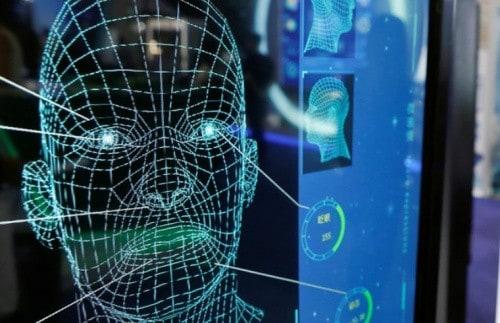
Legal confrontations are intensifying nationwide over the use of facial recognition technology, as consumers and civil rights groups challenge corporations and law enforcement agencies over alleged privacy violations. Recent lawsuits accuse major retailers like Target and Home Depot of illegally collecting and storing biometric data from customers without consent, raising significant concerns under the Biometric Information Privacy Act (BIPA).Meanwhile, civil liberties organizations are taking legal action against police departments over wrongful arrests linked to flawed facial recognition systems. These court battles underscore growing public and legal scrutiny of facial recognition technology’s role in society and its implications for privacy and civil rights [[1]](https://www.usatoday.com/story/money/2024/04/16/target-lawsuit-biometric-data/73340681007/) [[2]](https://topclassactions.com/lawsuit-settlements/lawsuit-news/home-depot-sued-for-allegedly-using-facial-recognition-at-self-checkout-kiosks-without-consent/) [[3]](https://www.aclu.org/court-cases?issue=face-recognition-technology).
Table of Contents
- Courtrooms Grapple with Privacy Concerns Amid Rising Facial Recognition Use
- Legal Experts Examine the Impact of Facial Recognition on Civil Liberties
- Tech Companies Face Heightened Scrutiny and Regulatory Challenges
- Advocates Call for Comprehensive Legislation to Govern Facial Recognition Technology
- Insights and Conclusions
Courtrooms Grapple with Privacy Concerns Amid Rising Facial Recognition Use
As facial recognition technology becomes increasingly prevalent in judicial settings, courts are confronting significant privacy dilemmas that challenge established legal frameworks. Defense attorneys argue that the widespread use of biometric data infringes on individual rights, raising questions over consent, data security, and potential misuse.Meanwhile, proponents maintain that these tools enhance public safety and streamline case management, highlighting a stark divide between technological advancement and civil liberties.
Key privacy concerns highlighted in recent court debates include:
- Potential for wrongful identification and bias inherent in facial recognition algorithms
- Lack of clear guidelines governing how biometric data is collected, stored, and shared
- Risks of surveillance overreach affecting marginalized communities disproportionately
- Insufficient oversight and accountability mechanisms
Judges and lawmakers face mounting pressure to balance innovation with constitutional protections, prompting calls for stricter regulations or outright bans in certain jurisdictions. As litigation heats up, the judiciary’s rulings may set precedents that shape the future intersection of privacy and technology in courtrooms nationwide.
Legal Experts Examine the Impact of Facial Recognition on Civil Liberties
Legal scholars and civil rights advocates are increasingly scrutinizing the deployment of facial recognition technology, raising alarms about its potential to erode basic liberties.Courts across the nation are now grappling with cases that question the legality and ethical implications of unchecked biometric surveillance.Experts emphasize that beyond privacy invasions, the technology’s application by law enforcement may disproportionately affect marginalized communities, amplifying concerns over bias and discrimination.
Key issues highlighted by legal experts include:
- The absence of comprehensive federal regulations governing facial recognition use
- Risks to privacy stemming from mass data collection without informed consent
- The potential for erroneous identification and wrongful arrests
- Challenges in balancing public safety benefits against civil liberties protections
These court battles represent a critical juncture where judicial intervention could set precedents for responsible technology governance. Advocacy groups, such as the ACLU, are actively pushing for legislative reforms and judicial oversight to safeguard constitutional rights as facial recognition tools become more pervasive in both public and private sectors.
Tech Companies Face Heightened Scrutiny and Regulatory Challenges
Tech giants find themselves under intense examination as lawmakers and advocacy groups scrutinize the expanding role of facial recognition technology. Critics argue the technology raises profound privacy concerns, highlighting risks of mass surveillance and potential misuse. This growing unease has spurred a wave of legislative efforts aimed at establishing stricter oversight and transparency requirements for companies deploying such systems.
Key regulatory challenges facing these companies include:
- Demand for clear consent protocols from individuals whose images are captured.
- Compliance with emerging data protection laws at local, national, and international levels.
- Mitigating algorithmic bias that disproportionately affects marginalized communities.
- Balancing innovation with ethical responsibilities to prevent wrongful identification.
Amid a patchwork of regulations, industry leaders are forced to navigate uncertain legal landscapes while defending their technologies in courtrooms nationwide, signaling a pivotal moment in the intersection of technology, law, and civil liberties.
Advocates Call for Comprehensive Legislation to Govern Facial Recognition Technology
Policy advocates and civil rights organizations are intensifying demands for clear, robust regulations governing the deployment of facial recognition technology. They emphasize that without comprehensive legislation, the risks of privacy violations, racial bias, and unchecked surveillance loom large. Experts argue that existing laws are fragmented and insufficient to address the fast-evolving capabilities of biometric systems used by law enforcement and private entities alike.
Key concerns raised by these groups include:
- Transparency around data collection and usage practices.
- Strict accountability measures to prevent misuse and discrimination.
- Mandated independent audits to ensure technology fairness and accuracy.
- Clear boundaries limiting governmental and commercial applications.
As court rulings continue to shape the legal landscape, advocates warn that federal action is urgent to create a unified framework that protects civil liberties while allowing technological innovation to proceed responsibly.
Insights and Conclusions
As court battles continue to unfold, the fate of facial recognition technology remains uncertain. With privacy advocates, lawmakers, and tech companies all staking opposing claims, the decisions made in these cases could set critical precedents for the balance between security and civil liberties. As the legal landscape evolves, stakeholders and the public alike will be watching closely to see how the courts navigate the complex intersection of innovation and individual rights.