
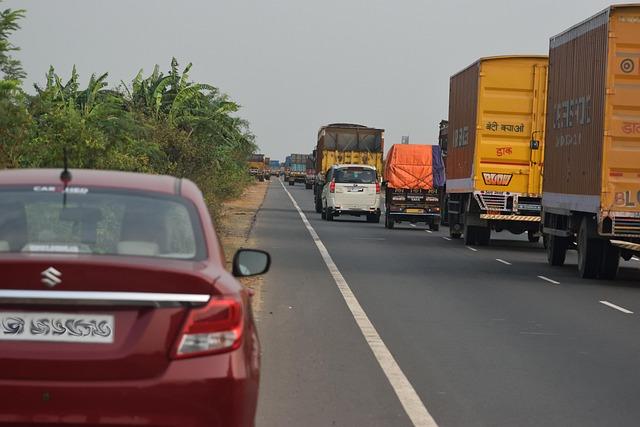
Boston officials are unveiling new strategies aimed at alleviating the city’s notorious traffic congestion, a move welcomed by commuters and residents alike. As traffic delays continue to frustrate drivers across key routes such as the Massachusetts Turnpike, I-93, and I-95, city planners are rolling out a comprehensive plan designed to improve traffic flow and reduce travel times. These initiatives leverage real-time data from traffic monitoring systems and incorporate innovative solutions to address the growing challenge of urban congestion in the region. Details of the plan and its expected impacts will be closely watched by those navigating Boston’s busy roadways daily. [3][2][1]
Table of Contents
- Boston Expands Public Transit Options to Reduce Road Crowding
- Implementing Smart Traffic Signals to Improve Commute Times
- Promoting Carpooling and Alternative Transportation Modes
- Community Feedback Shapes Future Urban Mobility Strategies
- The Way Forward
Boston Expands Public Transit Options to Reduce Road Crowding
Boston is making significant strides to alleviate its notorious traffic congestion through a bold expansion of its public transit network. New bus routes and increased frequency on existing lines aim to provide commuters with more reliable and convenient alternatives to driving. City officials have underscored their commitment to sustainable urban mobility by investing in electric buses and upgrading transit infrastructure, a move expected to reduce emissions while encouraging more residents to leave their cars at home.
Key enhancements include:
- Launch of rapid bus services connecting underserved neighborhoods to major transit hubs.
- Expanded bike-share programs integrated with public transit routes for seamless last-mile connections.
- Improved accessibility features at stations to ensure equity in transit usage.
These measures come as part of a broader initiative to promote a more vibrant, accessible, and less congested Boston, aligning with the city’s vision to become a model for future-forward urban transit systems.
Implementing Smart Traffic Signals to Improve Commute Times
Boston’s latest initiative integrates advanced smart traffic signals designed to adapt in real-time to fluctuating traffic patterns. Unlike conventional timed lights,these signals use sensors and AI-driven algorithms to adjust green light durations,prioritizing main thoroughfares during peak hours and responding instantly to unexpected congestion. The city aims to significantly cut down wait times at intersections, thereby smoothing traffic flow and reducing emissions from idling vehicles.
The implementation strategy includes:
- Installing adaptive signal controllers across over 150 key intersections
- Integrating signals with emergency vehicle detection to clear paths swiftly
- Coordinating with public transit schedules to reduce bus delays
- Providing a data dashboard for city planners to monitor and adjust system performance continuously
By harnessing cutting-edge technology, Boston strives to transform its traffic management into a dynamic system that enhances commuter experience and supports sustainable urban mobility.
Promoting Carpooling and Alternative Transportation Modes
City officials are rolling out aspiring initiatives to encourage residents to share rides and explore alternatives to driving alone. Incentive programs are being expanded, offering reduced toll fees, priority parking, and even tax credits for carpool participants. Partnerships with local employers will promote flexible schedules and remote work options to further decrease peak-hour traffic. The plan also introduces new digital platforms to link commuters for carpooling, emphasizing accessibility and convenience to boost participation.
Beyond carpooling, Boston aims to diversify transportation choices by enhancing bike lanes, expanding electric scooter programs, and improving pedestrian infrastructure. Public transit upgrades, including cleaner and more frequent buses, are designed to attract riders seeking faster, eco-friendly alternatives.These efforts include:
- Expanded bike-sharing stations with improved safety measures
- Subsidized transit passes for low-income residents
- Dedicated bus lanes reducing delays and congestion
By fostering a culture of shared and sustainable mobility, the city expects meaningful reductions in car volume, easing the strain on Boston’s streets and supporting its climate goals.
Community Feedback Shapes Future Urban Mobility Strategies
Boston city planners have placed significant emphasis on incorporating voices from diverse neighborhoods to inform the next wave of urban mobility initiatives. Through a series of public forums, online surveys, and interactive workshops, local residents and commuters have shared critical insights about daily traffic pain points and transit inefficiencies. This grassroots input has directly influenced proposals aimed at enhancing multimodal connectivity, including expanded bike lanes, improved pedestrian pathways, and optimized bus routes, ensuring that mobility solutions resonate with the community’s real-world needs.
Key themes emerging from community feedback include:
- Prioritizing safety improvements at high-incident intersections
- Expanding affordable public transit options to underserved areas
- Implementing smart traffic signal technologies to reduce congestion
- Enhancing accessibility for seniors and individuals with disabilities
By fostering ongoing dialog, Boston aims not only to ease current congestion challenges but also to build a resilient, equitable transit network that adapts to future demands. The city’s commitment to community-driven planning marks a pivotal shift towards urban mobility strategies that are as inclusive as they are innovative.
The Way Forward
As Boston moves forward with these ambitious traffic management initiatives, residents and commuters alike can anticipate a transformative impact on daily travel. While challenges remain, city officials emphasize that continued investment and community engagement are crucial to creating a more efficient and accessible transportation network. For ongoing updates on traffic conditions and related developments, stay tuned to local news outlets and official resources dedicated to keeping Boston moving smoothly [[1]](https://www.boston25news.com/), [[2]](https://www.boston.com/tag/traffic/), [[3]](https://www.mass511.com/).