
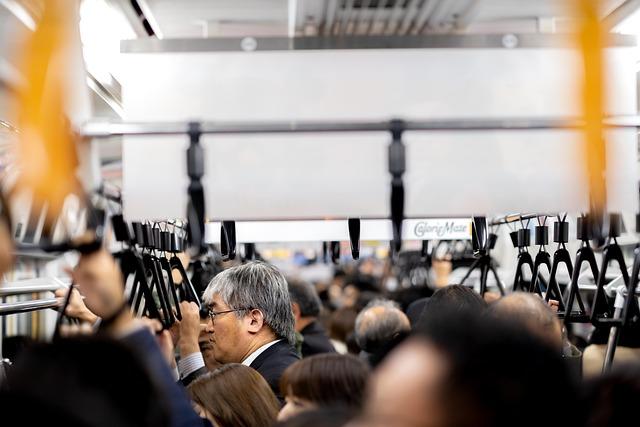
Boston, a historic city known for its rich heritage and vibrant urban life, is confronting a modern challenge: traffic congestion. As the city’s population and economic activity continue to grow, gridlock on its streets has become a pressing issue impacting daily commuters and local businesses alike. In response, city officials are rolling out a series of innovative strategies aimed at easing traffic flow, improving public transportation, and enhancing overall mobility.These new measures mark a meaningful effort to reimagine Boston’s transportation landscape and address the persistent bottlenecks that affect residents and visitors throughout the metropolitan area. For a city that has never settled and is always in motion, these steps signal a bold move toward a smoother, more efficient future on the roadways [1] [2] [3].
Table of Contents
- Boston Implements Smart Traffic Signal Technology to Improve Flow
- Expanding Public Transit Options Aims to Reduce Vehicle Dependence
- New Bike Lanes and Pedestrian Zones Promote Sustainable Commutes
- Community Engagement Drives Tailored Solutions for Neighborhood Traffic Issues
- Final Thoughts
Boston Implements Smart Traffic Signal Technology to Improve Flow
Boston’s transportation department has rolled out cutting-edge smart traffic signal systems designed to reduce wait times and optimize traffic flow across busy intersections. These adaptive signals employ real-time data analytics and artificial intelligence to adjust light cycles dynamically, responding instantaneously to fluctuating traffic volumes throughout the day. Early results indicate significant reductions in congestion during peak hours, with more efficient vehicle movement enhancing commuter experience and cutting down on greenhouse gas emissions.
Key features of the new technology include:
- Sensor-driven detection of vehicles, pedestrians, and cyclists to prioritize crossing safely and efficiently.
- Coordinated signal timing between adjacent intersections to maintain steady traffic progression along major corridors.
- Integration with public transit schedules to give buses priority, reducing delays and encouraging eco-friendly travel.
City officials anticipate this initiative will serve as a model for urban mobility improvements, leveraging technology to foster safer streets and a smoother commute for Boston’s residents and visitors alike.
Expanding Public Transit Options Aims to Reduce Vehicle Dependence
Boston’s latest initiative to curb traffic congestion places a strong emphasis on enhancing the public transit network, aiming to make it a more attractive alternative to private vehicles. City planners are investing in expanded bus routes, increased frequency of service, and upgraded infrastructure to support safer, faster, and more reliable transit options. These efforts are designed to encourage residents to shift away from car dependency, easing congestion on key urban corridors.
Key components of the expansion include:
- Introduction of dedicated bus lanes to reduce travel times during peak hours
- Upgrades to commuter rail services to improve connectivity between neighborhoods and downtown
- Deployment of electric buses aimed at reducing environmental impact
- Enhanced transit stops with real-time arrival information and improved accessibility
City officials underscore that these measures not only target congestion but also support broader climate goals by cutting emissions and fostering sustainable urban mobility. With ongoing community outreach and adaptive service planning,Boston is positioning its transit system as an essential component of a modern,green,and less car-dependent cityscape.
New Bike Lanes and Pedestrian Zones Promote Sustainable Commutes
Boston’s latest push to ease traffic congestion includes a bold expansion of dedicated bike lanes and the establishment of new pedestrian-only zones in high-traffic neighborhoods. These changes aim to encourage residents to choose greener, healthier ways to navigate the city while reducing reliance on cars. The city’s transportation department reports that the newly installed lanes prioritize connectivity, linking key residential areas with business districts, parks, and public transit hubs. This infrastructure upgrade not only promotes safety for cyclists and walkers but also contributes significantly to lowering carbon emissions by cutting down on short vehicle trips.
Beyond the physical additions, the initiative comes with a public awareness campaign highlighting the benefits of sustainable commutes. Boston officials are targeting a diverse range of commuters with an emphasis on:
- Improved urban mobility through slower traffic zones and wider sidewalks, making walking more convenient and inviting
- Parking restrictions in selected areas to dissuade needless car trips
- Collaborations with local businesses to provide bike-friendly facilities such as racks and repair stations
Early feedback from residents praises the initiative for fostering a sense of community and making the city more accessible for everyone on foot or bike.
Community Engagement Drives Tailored Solutions for Neighborhood Traffic Issues
Boston’s approach to easing traffic congestion is rooted firmly in dialog with the city’s diverse neighborhoods. Through extensive forums and digital platforms, residents have voiced their unique challenges and priorities, allowing traffic planners to develop solutions that reflect localized needs rather than generic fixes. This grassroots involvement has revealed critical insights, such as the impact of school zones on peak hour flow and the necessity for pedestrian-friendly crossings near community centers.
Key outcomes from this collaborative process include:
- Redesigned traffic signal timings tailored to neighborhood rhythms
- Implementation of traffic calming measures on frequently congested streets
- Enhanced bike lanes and pedestrian pathways responding to community requests
- Temporary pilot programs allowing real-time assessment of new traffic patterns
By anchoring solutions in community input,Boston not only addresses traffic congestion more efficiently but also fosters a stronger sense of ownership and trust between officials and residents. This community-centric strategy is paving the way for adaptable, sustainable urban mobility that respects the distinct character and needs of each neighborhood.
Final Thoughts
As Boston implements these innovative strategies to combat traffic congestion, the city sets a precedent for urban mobility solutions nationwide. While challenges remain, officials express optimism that these measures will enhance commute times, reduce emissions, and improve quality of life for residents and visitors alike. The coming months will reveal the true impact of Boston’s efforts to keep its streets moving smoothly in an increasingly crowded urban landscape.