
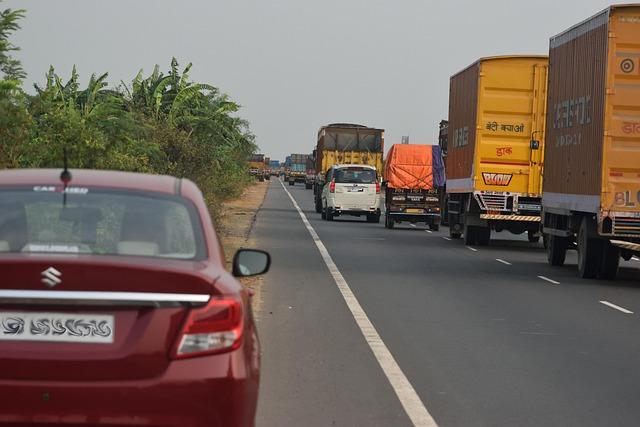
Boston is rolling out a series of new congestion management plans aimed at easing the city’s notorious traffic jams. As one of the nation’s oldest and busiest urban centers,Boston faces significant challenges with vehicular congestion that impacts daily commutes,local businesses,and environmental quality. The city’s latest strategies, focusing on smarter traffic flow, improved public transportation, and targeted infrastructure upgrades, seek to reduce gridlock and enhance mobility for residents and visitors alike. These plans come as part of a broader effort to modernize Boston’s transportation network while preserving its historic charm and economic vitality.
Table of Contents
- Boston Implements Dynamic Tolling to Reduce Peak Hour Congestion
- Expanding Public Transit Options to Ease Urban Traffic
- Community Feedback Shapes Future Traffic Management Strategies
- Experts Recommend Smart Infrastructure Investments for Long-Term Relief
- In Summary
Boston Implements Dynamic Tolling to Reduce Peak Hour Congestion
Boston has rolled out an innovative dynamic tolling system aimed at alleviating chronic traffic congestion during peak travel hours. This system adjusts toll rates in real-time based on traffic volume,encouraging drivers to modify their travel times or opt for alternative routes. By strategically increasing toll fees during the busiest periods, the city expects to reduce the number of vehicles on key roadways, helping ease bottlenecks and improving overall traffic flow in the densely populated urban core.
Key features of the new initiative include:
- Variable pricing that reflects current traffic densities
- Enhanced traffic monitoring via sensors and cameras for accurate toll adjustments
- Integration with public transit incentives to further encourage commuters to leave their cars at home
- Exemptions for emergency vehicles and low-income drivers, ensuring fairness and accessibility
City officials are confident this approach will provide a flexible, market-based solution to Boston’s traffic woes, setting a precedent for other metropolitan areas grappling with similar congestion challenges.
Expanding Public Transit Options to Ease Urban Traffic
Boston’s latest congestion initiatives hinge on aggressively expanding its public transit network to offer commuters viable alternatives to driving. The city is investing in increased bus frequencies, adding new rapid transit routes, and developing dedicated lanes that prioritize mass transit vehicles. These efforts aim to maximize passenger capacity, reduce dependency on private cars, and improve overall traffic flow in high-density corridors. The introduction of these options not only encourages residents to shift away from solo commuting but also supports enduring urban mobility goals.
Complementing infrastructure upgrades, Boston is also focusing on accessibility and integration within its transit ecosystem. Key elements of this approach include:
- Seamless transfers between bus lines and subway stations
- Real-time service updates to enhance rider convenience
- Expanded hours of operation to accommodate varied work schedules
- Partnerships with micro-mobility providers to cover ‘last mile’ connections
These comprehensive measures are designed to not only alleviate congestion but also to improve urban access and promote equity across neighborhoods throughout Boston.
Community Feedback Shapes Future Traffic Management Strategies
Boston’s Department of Transportation has emphasized the pivotal role local residents and commuters played in refining the city’s congestion management plans. Through a series of town hall meetings, online surveys, and collaborative workshops, officials gathered diverse insights that highlighted the everyday challenges faced on the city’s busiest corridors. Key community concerns included:
- Unpredictable travel times impacting work and family routines
- Lack of reliable public transit alternatives during peak hours
- Safety issues for pedestrians and cyclists in congested zones
In response, the traffic management strategies were adjusted to better reflect these priorities, incorporating data-driven solutions alongside community-driven ideas. Notably, the introduction of adaptive signal timing and expanded multimodal options stems directly from this input, signaling a new era of traffic planning where local voices hold tangible influence over how Boston moves forward.
Experts Recommend Smart Infrastructure Investments for Long-Term Relief
Urban planners and technology experts emphasize that investing in smart infrastructure provides a sustainable solution to Boston’s chronic congestion woes. By integrating advanced sensors, real-time data analytics, and IoT-enabled traffic management systems, the city can optimize traffic flow and respond dynamically to congestion patterns before they escalate. These technologies not only enhance efficiency but also reduce environmental impacts by lowering emissions linked to idling vehicles. Experts argue that without these long-term investments, short-term fixes will offer only temporary relief.
Key recommendations for the city’s smart infrastructure expansion include:
- Deployment of adaptive traffic signal controls capable of adjusting in real-time to traffic volumes.
- Incorporation of building information models (BIM) and smart sensors to monitor and manage public transit hubs.
- Integrated platforms that combine data from multiple sources to provide a comprehensive view of the city’s transportation network.
Such initiatives would promote resilience and sustainability, enabling Boston to transform its transportation challenges into a model of innovation for other metropolitan areas.
In Summary
As Boston moves forward with its new congestion plans, city officials and residents alike are watching closely to see if these measures can effectively ease the daily traffic snarls that have long plagued the city. While challenges remain, the initiative represents a significant step toward creating a smoother, more sustainable urban transportation experience. The success of these efforts could well serve as a model for other metropolitan areas grappling with similar issues, underscoring Boston’s ongoing commitment to innovation and progress in urban mobility.