
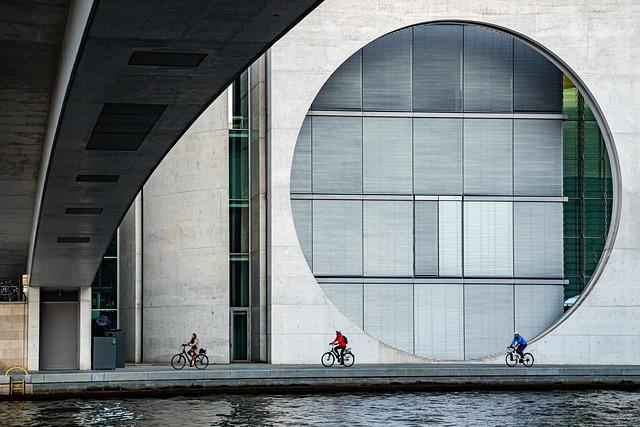
As cities across the globe grapple with rising traffic congestion and increasing demand for sustainable transportation, the role of bike lanes has become a flashpoint in urban planning debates. Advocates argue that dedicated cycling infrastructure promotes safety, reduces emissions, and encourages healthier lifestyles. Critics, however, warn that reallocating road space for bike lanes can disrupt traffic flow, exacerbate congestion, and hinder local businesses. This article delves into the ongoing debate surrounding bike lanes and traffic management, exploring how municipalities balance competing priorities in the quest for smarter, greener streets.
Table of Contents
- Bike Lanes and Urban Mobility Challenges
- The Impact of Bike Lanes on Vehicle Traffic Patterns
- Community Perspectives on Safety and Accessibility
- Strategies for Harmonizing Bike Lanes with Traffic Flow
- Final Thoughts
Bike Lanes and Urban Mobility Challenges
Urban planners and city officials grapple with balancing the integration of bike lanes while maintaining efficient traffic flow. Expanding bike infrastructure is championed as a way to reduce car dependency and promote healthier lifestyles, but it also introduces complexities in densely populated areas. Narrower lanes and fewer parking spaces often spark resistance among motorists and local businesses concerned about congestion and accessibility. The challenge intensifies in cities where road space is already limited, forcing tough decisions on how to allocate public right-of-way without compromising safety.
The discussion extends beyond road design to broader mobility concerns. Advocates emphasize that well-connected bike lanes can:
- Encourage multimodal transport options, easing pressure on public transit and roads
- Reduce emissions by swapping short car trips for bicycle commutes
- Improve urban air quality and public health
Simultaneously occurring, critics argue that without comprehensive planning, piecemeal bike lane additions may create bottlenecks and unpredictable traffic patterns. The ongoing debate underscores the need for innovative solutions that address the diverse needs of all road users while fostering sustainable urban mobility.
The Impact of Bike Lanes on Vehicle Traffic Patterns
City planners and traffic analysts continue to observe pronounced shifts in driving patterns following the introduction of dedicated bike lanes.These changes often produce a nuanced ripple effect: while vehicle traffic lanes may narrow, leading to initial congestion, many urban centers report a reduction in overall traffic volume as more commuters opt for cycling. This modal shift contributes to a more balanced use of road space, with some studies highlighting improved traffic flow during peak hours as bicyclists claim a safer, more predictable travel corridor. Though, the integration of bike lanes into existing roadways can sometimes prompt rerouting or delay adjustments among motorists, causing short-term disruptions but potentially fostering longer-term traffic calmness.
- Enhanced road safety by reducing conflict zones between cars and cyclists, which can indirectly smooth vehicle movement.
- Encouragement of alternative transportation modes that alleviate road congestion during rush periods.
- Temporary traffic pattern alterations as drivers acclimate to new lane configurations, which may increase stop-and-go situations.
The evolving relationship between bike lanes and vehicle traffic highlights the complexity of urban mobility design. While critics often cite concerns over diminished vehicle lane capacity and potential bottlenecks,proponents point to a broader vision of traffic efficiency that prioritizes multi-modal transport. By reframing streets to accommodate diverse users, cities can nurture environments where vehicles share space more harmoniously with bicycles, ultimately promoting a fluid traffic ecosystem rather than an adversarial one.
Community Perspectives on Safety and Accessibility
Voices from neighborhood forums and local advocacy groups reveal a deeply polarized view on bike lanes’ impact on safety and accessibility. Proponents argue that dedicated bike lanes create a vital buffer between motorists and cyclists, reducing collision risks. Parents and seniors, in particular, emphasize the accessibility benefits, highlighting how protected lanes encourage more people to choose biking as a safe, healthy alternative for commuting or errands. Many cite enhanced visibility and clearer road delineation as key factors that improve both pedestrian and cyclist safety.
Conversely, some drivers and small business owners express concerns that bike lanes exacerbate traffic congestion and reduce parking availability, which they fear could hinder emergency vehicle access and accessibility for deliveries. The debate also touches on equity; critics worry that certain communities receive disproportionate infrastructure investments, leaving others underserved. These tensions manifest in calls for solutions that balance:
- Comprehensive traffic flow studies before expanding bike infrastructure
- Inclusive community engagement to ensure all voices shape planning decisions
- Innovative design approaches that enhance safety without sacrificing road efficiency
Strategies for Harmonizing Bike Lanes with Traffic Flow
Urban planners and traffic engineers are increasingly adopting multifaceted approaches to ensure bike lanes coexist seamlessly with motorized traffic. Prioritizing dedicated, well-marked lanes separated by physical barriers or buffer zones significantly reduces conflicts between cyclists and vehicles, enhancing safety without impeding flow. Equally critical is the implementation of adaptive traffic signals that respond to real-time conditions, allowing for dynamic allocation of green light durations to accommodate both bike and car volumes efficiently. These strategies aim to minimize congestion while promoting cycling as a practical, everyday mode of transportation.
Moreover, fostering mutual awareness through community education and clear signage plays a pivotal role in harmonizing shared road use. Cities are also exploring integrated designs that prioritize connectivity of bike lanes to key transit hubs and commercial centers, reducing unpredictable lane switches and stops. Innovative measures such as:
- Shifting lane markings during off-peak hours to optimize space
- Creating bike boxes at intersections for better cyclist visibility
- Synchronizing bike lane entries with traffic flow patterns
…are proving triumphant in maintaining smooth traffic movement while encouraging safer cycling environments. These evolving practices reflect a balanced effort to diminish contention and elevate urban mobility standards for all road users.
Final Thoughts
As cities continue to balance the needs of cyclists and motorists, the debate over bike lanes and traffic flow remains as dynamic as ever. With growing interest in sustainable transportation and safer streets, finding solutions that accommodate all road users is critical. Whether through innovative design, community engagement, or policy adjustments, the path forward calls for collaboration and careful consideration. The ongoing dialog about bike lanes is more than just a traffic issue-it’s a reflection of how urban centers envision their future mobility and quality of life.