
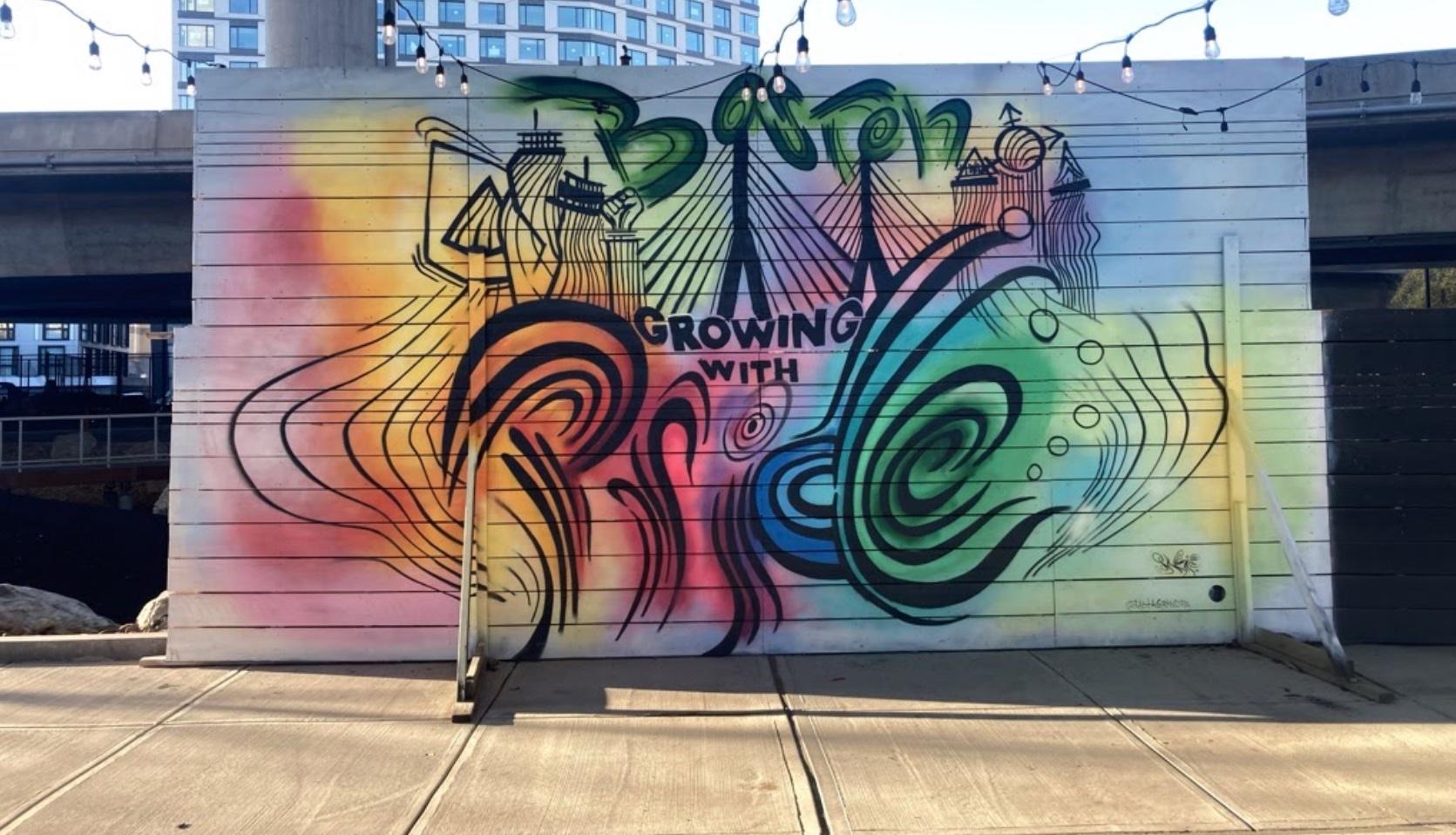
Boston, a city steeped in rich history and revolutionary heritage, is now emerging as a vibrant hub for street art, transforming its urban landscape into a colorful canvas. Moving beyond its well-known colonial landmarks, the city’s streets and alleys are alive with bold murals, dynamic graffiti, and creative expressions that celebrate its diverse communities and evolving cultural identity. This artistic renaissance not only adds a new dimension to Boston’s public spaces but also tells the untold stories of the neighborhoods that have long shaped the city’s character. As Boston’s street art scene continues to flourish, it invites residents and visitors alike to explore a modern narrative painted with vivid colors and powerful messages, proving that the city’s spirit of revolution is alive and well in every brushstroke.
Table of Contents
- Exploring Iconic Murals and Their Cultural Significance
- Neighborhoods Leading Boston’s Street Art Renaissance
- Profiles of Key Artists Shaping the City’s Urban Landscape
- Best Walking Tours to Experience Boston’s Street Art Firsthand
- In Summary
Exploring Iconic Murals and Their Cultural Significance
Boston’s murals are more than just vibrant splashes of color; they are compelling narratives etched onto the city’s walls,reflecting its diverse cultural tapestry and rich past roots. From tribute pieces honoring pioneering figures in arts and civil rights to powerful visual statements addressing social justice, these artworks serve as both a mirror and a voice for the community. In neighborhoods like the South End and Jamaica Plain, murals become living archives that celebrate the stories often overlooked in mainstream history, fostering a deeper connection between residents and the city’s evolving identity.
Key elements that define Boston’s iconic murals include:
- Community Collaboration: Many murals are created through partnerships between local artists and community organizations, ensuring authentic portrayal.
- Historical Resonance: Depictions often draw from key moments in Boston’s past, linking present-day viewers to the city’s legacy.
- Social Commentary: These murals frequently engage with contemporary issues such as immigration, equity, and resilience, sparking dialog and awareness.
These mural masterpieces not only beautify public spaces but also elevate street art as a pivotal cultural force, affirming Boston’s reputation as a dynamic canvas where history, activism, and creativity collide.
Neighborhoods Leading Boston’s Street Art Renaissance
Boston’s street art renaissance is being spearheaded by several dynamic neighborhoods where creativity and community converge on every wall and alley. In Allston, vibrant murals narrate stories of cultural diversity and youthful energy, transforming the area into an open-air gallery that challenges conventional art spaces. Meanwhile, East Boston has emerged as a hotspot for bold, politically charged pieces that reflect the struggles and triumphs of its immigrant communities. The intersection of heritage and modern expression in these neighborhoods highlights how street art here is not merely decoration but a powerful dialogue with the city’s past and present.
Other notable contributors to Boston’s colorful canvas include Jamaica Plain, known for its eclectic mix of styles and the collaborative spirit among local artists, and Downtown Crossing, where historic architecture meets cutting-edge street art installations. These communities foster a nurturing habitat for creativity with:
- Regular street art festivals and mural unveilings
- Community mural projects amplifying underrepresented voices
- Supportive local businesses sponsoring emerging artists
Together, these areas redefine Boston’s urban landscape, positioning street art not just as aesthetic enhancement but as a vital expression of neighborhood identity and renewal.
Profiles of Key Artists Shaping the City’s Urban Landscape
Jay Mercado is a defining force behind Boston’s street art revival, blending vibrant murals with themes of cultural identity and social justice. His work adorns numerous neighborhoods, transforming blank walls into dynamic stories that engage residents and visitors alike. Mercado’s signature style-a fusion of bold colors and intricate line work-captures Boston’s evolving urban narrative while honoring its diverse communities.
Alongside Mercado, several other artists contribute to Boston’s colorful tapestry, including:
- Samira Jones, whose abstract murals challenge perceptions of space and light while celebrating local histories.
- Marcus Lee, known for his striking portraits that bring attention to unsung community leaders and activists.
- Alina Tran, a rising star whose geometric patterns reflect the city’s architectural rhythms and contemporary culture.
These creators infuse Boston’s streets with narratives that resonate far beyond their walls, positioning the city as a vibrant hub where art and urban life intertwine seamlessly.
Best Walking Tours to Experience Boston’s Street Art Firsthand
Exploring Boston’s street art scene on foot offers an unparalleled intimacy with the layers of creativity splashed across its urban landscape. Several guided tours delve into neighborhoods like the dynamic Fort Point and vibrant HUBweek installations, where bold murals and thought-provoking stencil work transform brick walls into open-air galleries. Each route not only showcases visually striking pieces but also weaves in the stories of the artists behind them, revealing how Boston’s street art dialogue reflects local history, social commentary, and cultural diversity.
Top routes include:
- Fort Point Art Walk: Experience the massive murals that blend contemporary art with Boston’s maritime legacy.
- Downtown Street Art Stroll: A curated path highlighting edgy pieces that challenge conventions in the heart of the city.
- Allston-Brighton Graffiti Tour: Explore neighborhoods renowned for their raw, vibrant graffiti and underground artistry.
Participating in these tours offers more than just visuals; it’s an immersive cultural excursion allowing visitors to witness Boston’s evolving street art trends firsthand. Whether led by local artists or art historians, these walking tours bring nuances of public art discourse to life, making them essential for anyone wanting to understand Boston’s colorful canvas beyond the traditional museum walls.
In Summary
As Boston continues to evolve, its street art remains a dynamic reflection of the city’s diverse culture and creative spirit. From historic neighborhoods to bustling urban corridors, each mural and installation contributes to Boston’s identity, inviting both residents and visitors to experience the city through a vivid, artistic lens. The vibrant street art scene is more than just color on walls; it is indeed a testament to Boston’s ongoing dialogue between past and present, community and individuality. For those looking to explore these living canvases, Boston offers a rich and ever-changing tapestry that celebrates creativity in its most public and engaging form.
For more facts on the city and its culture, visit the official Boston guide [[1]]and explore other top attractions and experiences that make this New England hub a vibrant urban destination [[3]].