
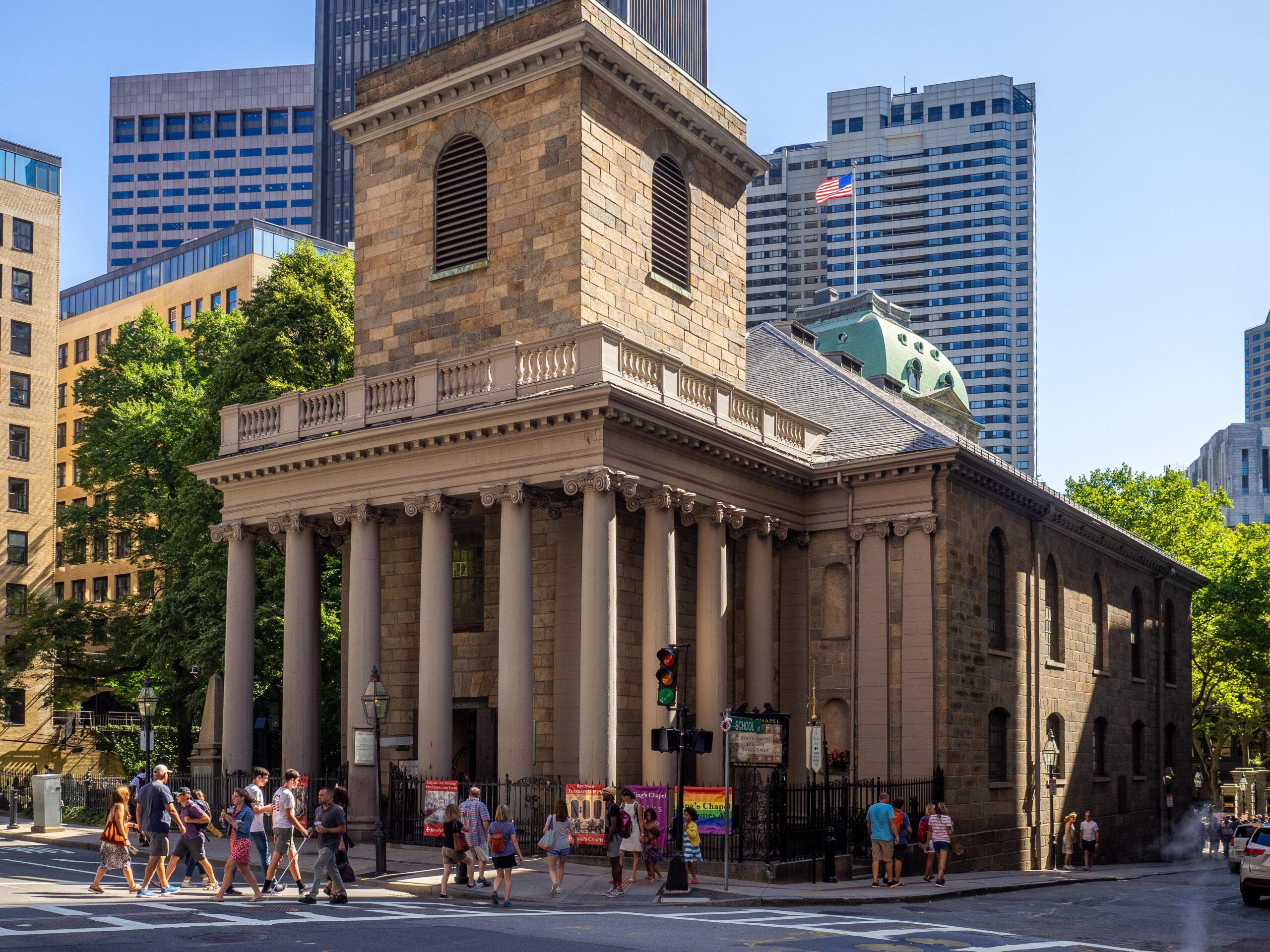
King’s Chapel, a distinguished historic landmark located in the heart of Boston, stands as a testament to the early establishment and enduring legacy of the Anglican faith in America. Founded in the late 17th century,this iconic chapel not only reflects the architectural grandeur of its era but also embodies the complex religious and cultural narratives of colonial New England. As one of the oldest continuously active places of worship, King’s Chapel offers a unique glimpse into the origins and evolution of Anglicanism on American soil, attracting historians, worshippers, and visitors alike.
Table of Contents
- Origins and Architectural Significance of Kings Chapel in Colonial America
- The Role of Kings Chapel in the Development of Early Anglican Worship
- Preservation Efforts and Challenges Facing This Historic Landmark
- Visitor Recommendations for Experiencing Kings Chapel and Its Heritage
- The Way Forward
Origins and Architectural Significance of Kings Chapel in Colonial America
Established in 1686, King’s Chapel stands as a quintessential example of early colonial architecture blending English ecclesiastical design with local materials. Its origins trace back to the establishment of the first Anglican congregation in Boston, representing a pivotal moment when the Church of England sought to assert its presence in Puritan-dominated New England. The chapel’s granite façade and classic Georgian features set it apart from other contemporary colonial structures, reflecting both the aspirations and religious tensions of the period. The design incorporated elements rare for the region, such as:
- Symmetrical proportions inspired by Sir Christopher Wren’s London churches
- Large, arched windows allowing abundant natural light
- A striking wooden barrel-vaulted ceiling, one of the oldest of its kind in America
- Use of locally quarried Roxbury stone, notable for its durability
Beyond aesthetics, King’s Chapel’s architecture symbolized a complex identity, balancing Anglican formality with colonial adaptation. This blend reinforced its role as a physical and spiritual landmark, serving diverse congregants while standing resilient through shifting religious and social landscapes. Today, it remains a testament to early American craftsmanship and the cultural dialog between Old World traditions and New World realities.
The Role of Kings Chapel in the Development of Early Anglican Worship
King’s Chapel stands as a testament to the perseverance and evolution of Anglican worship in early colonial America. Established in the late 17th century,it was pivotal in transplanting Anglican liturgical traditions into a New World context,balancing reverence for English ecclesiastical heritage with the practical needs of a burgeoning colonial society. As the first Anglican church constructed in Boston, it served not only as a house of worship but also as a symbol of religious and cultural identity during a time when the dominance of Puritanism shaped much of the region’s spiritual landscape.
Its influence extended beyond mere architecture or ceremony, fostering a uniquely American expression of Anglicanism characterized by:
- Adherence to the Book of Common Prayer, which helped standardize worship practices
- An emphasis on liturgical music and choral traditions that enriched congregational participation
- The integration of local governance structures, blending church management with colonial civic life
Together, these developments at King’s Chapel laid critically important groundwork for the subsequent growth and diversification of Anglican faith in the United States, marrying rich heritage with adaptive innovation.
Preservation Efforts and Challenges Facing This Historic Landmark
King’s Chapel continues to face ongoing preservation challenges that underscore the delicate balance between maintaining historical integrity and adapting to modern environmental demands. The structure’s original materials, such as its unique granite façade and antique woodwork, are susceptible to weathering, pollution, and the natural aging process. Preservationists are tasked with the painstaking work of restoring these elements using both traditional craftsmanship and advanced conservation technologies. Efforts also include safeguarding intricate stained glass windows and historical artifacts, which require climate-controlled environments to prevent deterioration.
- Regular structural assessments to detect early signs of damage or decay
- Use of historically accurate materials in restoration projects to preserve authenticity
- Engaging community and stakeholders to secure funding and awareness
- Addressing urban development pressures that risk encroaching on the landmark’s setting
Despite keen attention, the site confronts notable threats beyond natural decay. Increasing urbanization presents risks of vibration damage from nearby traffic and construction, while funding limitations periodically stall critical restoration milestones. Additionally, integrating modern amenities for public access, such as improved lighting and accessibility features, demands innovative solutions that respect the chapel’s historic fabric. Preservationists must navigate regulatory frameworks and competing interests to ensure that this emblem of early Anglican faith remains both a treasured spiritual site and a living piece of cultural heritage.
Visitor Recommendations for Experiencing Kings Chapel and Its Heritage
Exploring King’s Chapel offers visitors an immersive journey into early Anglican history paired with stunning colonial architecture. To fully appreciate its rich heritage, plan your visit during the guided tour hours, where informed docents share captivating stories behind the chapel’s founding and its enduring spiritual significance. Don’t miss the chance to witness the intricate woodwork and stained-glass windows, which highlight craftsmanship from the 17th century.For photography enthusiasts, morning light filtering through the sanctuary creates a perfect ambiance for capturing this historic landmark’s solemn beauty.
To enhance your experience, consider these tips:
- Arrive early to avoid crowds and soak in the serene atmosphere.
- Engage with interactive exhibits that connect visitors to the chapel’s role in shaping early American religious life.
- Attend a service or special event held regularly to witness living traditions that date back centuries.
- Visit the adjacent crypt and memorials to deepen your understanding of historical figures associated with the chapel.
Embrace the fusion of history and spirituality here to leave with a profound appreciation for a cornerstone of colonial faith and culture.
The Way Forward
King’s Chapel stands as a timeless testament to the early Anglican faith and its enduring influence on American religious history. As both a spiritual sanctuary and a historic landmark, it continues to attract visitors and worshippers alike, offering a profound connection to the past.Its rich heritage and architectural grandeur underscore the importance of preserving such sites for future generations. In understanding King’s Chapel, we not only honor the foundations of a faith tradition but also celebrate a vital chapter in the cultural fabric of the nation.