
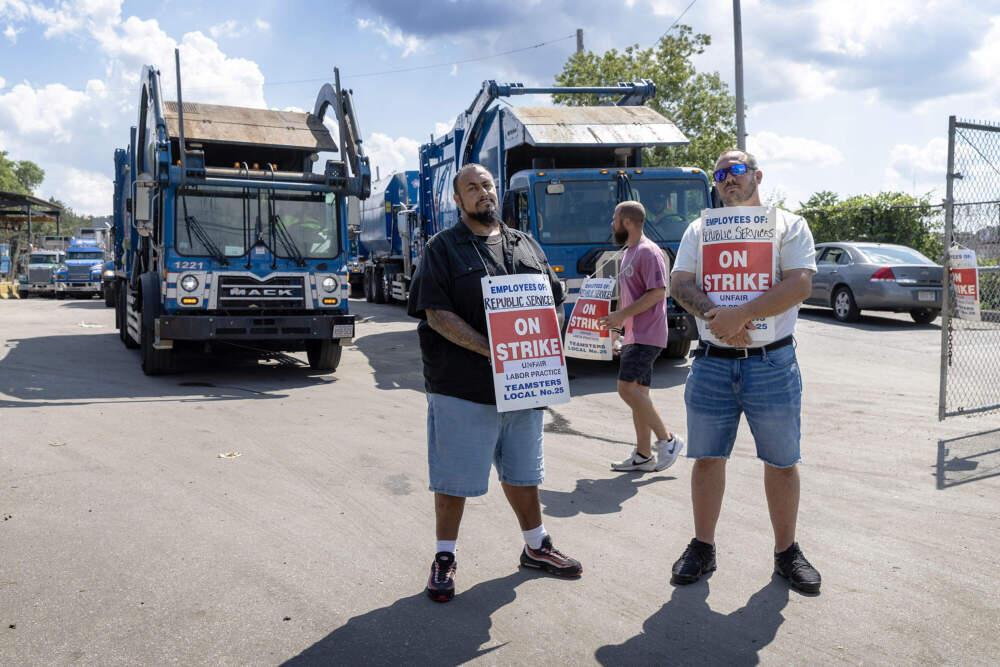
The St. Louis City Council has unanimously passed a resolution supporting the contracts of waste workers, reaffirming the city’s commitment to its essential workforce. This move comes amid ongoing negotiations aimed at securing fair wages and improved working conditions for those responsible for maintaining the city’s sanitation and public health services. The resolution highlights the council’s recognition of the critical role waste workers play in keeping St. Louis clean and functioning smoothly.[[1]]
Table of Contents
- City Council Unanimously Supports Waste Workers’ Contract Renewal
- Impact of the Resolution on Waste Management and Public Services
- Challenges Faced by Waste Workers and the Importance of Fair Agreements
- Recommendations for Enhancing Labor Relations and Contract Transparency
- Closing Remarks
City Council Unanimously Supports Waste Workers’ Contract Renewal
The City Council has voted unanimously to approve the renewal of contracts for the city’s waste management workers, marking a significant step forward in labor relations. The resolution underscores the council’s recognition of the essential role waste workers play in maintaining public health and city cleanliness. By endorsing these contracts, the council aims to ensure sustained service quality while acknowledging the workers’ commitment and contributions.
The new agreement includes key provisions designed to improve working conditions and provide competitive compensation for waste management employees. Highlights of the contract renewal include:
- Increased wages and benefits to support the workforce’s wellbeing
- Enhanced safety protocols aimed at reducing occupational hazards
- Investment in workforce training to foster professional progress and efficiency
This unanimous support reflects a strong commitment from city leadership to uphold fair labor practices and prioritize essential city services.
Impact of the Resolution on Waste Management and Public Services
The recent resolution passed by the City Council marks a significant turning point for waste management services across the city. By formally backing the contracts of waste workers,the resolution ensures that these essential employees are better supported,which is expected to lead to increased efficiency and reliability in waste collection and disposal. The move directly addresses longstanding concerns about workforce stability and morale, providing a foundation for enhanced operational standards and improved working conditions. This, in turn, translates to cleaner streets, reduced environmental hazards, and a more responsive public service framework.
Key benefits stemming from the resolution include:
- Improved job security and wages for waste workers, fostering greater dedication and reduced staff turnover.
- Enhanced service delivery timeliness, minimizing missed collections and public complaints.
- Strengthened cooperation between municipal departments and waste management teams to tackle challenges proactively.
As public services adapt to these changes, residents can anticipate a noticeable betterment in neighborhood cleanliness and overall sanitation standards. This development not only supports a healthier urban environment but also boosts public confidence in local governance and service provision.
Challenges Faced by Waste Workers and the Importance of Fair Agreements
Waste workers endure a range of hardships that frequently enough go unnoticed, from the physical toll of handling heavy loads in harsh weather conditions to the health risks associated with prolonged exposure to harmful substances. These workers frequently face unpredictable schedules and insufficient protective equipment, exacerbating the dangers inherent in their roles. Despite their critical role in maintaining public health and city cleanliness, many waste workers struggle with low wages, job insecurity, and limited access to healthcare benefits.
Addressing these challenges through fair agreements is essential not only to safeguard their welfare but also to ensure the sustainability of waste management services. Key aspects of such agreements include:
- Improved safety protocols and adequate protective gear
- Fair wages reflecting the risks and demands of the job
- Health benefits tailored to occupational hazards
- Clear grievance mechanisms and worker representation
By endorsing contracts that meet these standards, the city council signals a commitment to valuing waste workers as indispensable public service professionals, ultimately fostering a more equitable and efficient urban environment.
Recommendations for Enhancing Labor Relations and Contract Transparency
To foster stronger labor relations, it is essential for the city to establish a framework grounded in mutual respect, transparent communication, and consistent engagement with waste workers and their representatives. Implementing regular dialog sessions and joint problem-solving workshops can facilitate better understanding of shared goals and challenges, ultimately reducing conflicts and enhancing workforce morale. Additionally, providing ongoing education about workers’ rights and responsibilities ensures both parties remain informed, promoting a cooperative rather than adversarial environment.
Contract transparency can be significantly improved by adopting clear and accessible documentation practices. This includes publishing detailed contract summaries and updates on official platforms to keep the workforce and public informed. Strategies such as:
- Easy-to-understand language in contracts and communications
- Real-time updates on negotiation progress and outcomes
- Open forums allowing employees to voice concerns and ask questions
will nurture trust and accountability, reinforcing the legitimacy of labor agreements and ensuring long-term cooperation between the city and its waste workers.
Closing Remarks
The City Council’s resolution marks a significant step in supporting the rights and working conditions of waste workers,reflecting a broader commitment to labor and community well-being within the city. As negotiations continue, stakeholders and residents alike will be watching closely to see how these developments shape the future of essential city services.