
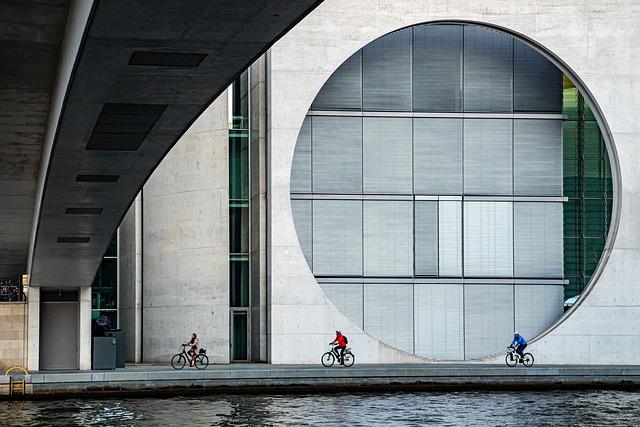
Cities across the nation are grappling with a contentious issue: the impact of bike lanes on traffic flow. As urban planners and local governments push for more bicycle-friendly infrastructure to promote lasting transportation and public health,critics argue that these lanes exacerbate congestion and impede the movement of vehicles. This debate highlights the complex balancing act between enhancing safety and accessibility for cyclists while maintaining efficient traffic dynamics for motorists. With growing interest in cycling as a mode of transport, the discussion over how bike lanes affect traffic patterns remains a heated and evolving topic.
Table of Contents
- The Controversy Surrounding Bike Lanes and Urban Traffic Congestion
- Analyzing Traffic Flow Data Before and After Bike Lane Implementation
- Balancing Safety and Efficiency in City Street Design
- Policy Recommendations for Harmonizing Bike Lanes with Traffic Demands
- Insights and Conclusions
The Controversy Surrounding Bike Lanes and Urban Traffic Congestion
Across many cities, bike lanes have ignited a fierce debate among urban planners, drivers, and cyclists alike. Critics argue that dedicating road space to bicycles frequently enough comes at the expense of motor vehicle lanes, contributing to increased traffic congestion, longer commute times, and frustrated drivers. This perspective emphasizes that the reallocation of existing road space reduces capacity for cars, bottlenecks intersections, and complicates traffic flow, especially during peak hours. Opponents often cite major urban corridors where bike lanes have been installed but traffic backups have worsened,raising questions about whether bike lane expansion is a practical solution or an idealistic approach that neglects existing transit demands.
Supporters, however, highlight the multifaceted benefits bike lanes bring beyond mere traffic metrics.By encouraging cycling – an environmentally friendly and space-efficient mode of transit – bike lanes aim to reduce the overall number of cars on the road, possibly easing congestion in the long term. Advocates point to cities where increased cycling infrastructure has coincided with lower car dependency, improved public health, and revitalized local economies. They stress that investing in safe, accessible bike lanes fosters sustainable urban mobility, which can lead to:
- Reduced air pollution and greenhouse gas emissions
- Improved safety for all road users, including pedestrians and cyclists
- Decreased demand for costly road expansions and parking facilities
As cities continue to grow and grapple with congestion challenges, the controversy over bike lanes reflects broader tensions about urban priorities and visions for the future. Striking a balance between accommodating automobiles and promoting active transportation remains at the core of this ongoing debate.
Analyzing Traffic Flow Data Before and After Bike Lane Implementation
Recent studies analyzing traffic flow data surrounding the installation of bike lanes reveal a nuanced impact on urban mobility. Quantitative measurements taken before implementation frequently enough show higher vehicle throughput but an increased number of congestion hotspots, notably during peak hours. In contrast, post-installation data indicates a noticeable reduction in vehicle lane capacity; however, the integration of dedicated bike lanes encourages a modal shift that partially offsets this loss. Traffic engineers have documented the following key changes:
- Moderate decreases in average vehicle speeds within bike lane corridors.
- Reduction in traffic incidents such as side-swipes and last-minute lane changes.
- Improved predictability and smoother vehicular flow due to clearer lane delineation.
Moreover,the data highlights that while some intersections experience longer wait times,the overall network resilience improves as cycle traffic increases,easing demand on roadways traditionally clogged by short car trips.Analysts caution against reading raw volume changes in isolation, emphasizing that the benefits of bike lanes extend beyond simple vehicle throughput metrics to encompass enhanced safety and expanded transportation options for all commuters.
Balancing Safety and Efficiency in City Street Design
Urban planners face a critical challenge when retrofitting streets to accommodate both bicycles and motor vehicles: how to ensure safety without sacrificing traffic efficiency. Dedicated bike lanes,while proven to reduce accidents and promote cycling,often come at the cost of narrower vehicle lanes and reduced parking availability. Critics argue that these changes can lead to increased congestion, slower traffic speeds, and longer commute times, especially during peak hours. Yet proponents assert that prioritizing cyclist safety encourages more residents to opt for two wheels, ultimately easing vehicular demand and fostering a healthier urban habitat.
Key considerations in the design debate include:
- Lane width adjustments: Narrower car lanes can calm traffic but might reduce fluidity in heavy traffic conditions.
- Protected bike lanes: Physically separated lanes offer the highest safety but require more space and funding.
- Signal timing: Balancing vehicle flow with safe bike crossings is essential to maintain efficiency.
- Parking trade-offs: Removing on-street parking can provoke community pushback yet create space for safer cycling infrastructure.
Ultimately, successful city street design demands a nuanced approach, considering local traffic patterns, cyclist volume, and community feedback to strike a workable balance between safety and efficiency.
Policy Recommendations for Harmonizing Bike Lanes with Traffic Demands
To effectively balance the needs of cyclists and motorists, policymakers must prioritize integrated planning that considers traffic volume fluctuations and the spatial constraints of urban roads. This demands the adoption of dynamic lane allocation systems, where bike lanes can expand during peak cycling hours and retract to accommodate vehicular traffic during rush hours, supported by real-time data analysis. Additionally, investing in protected bike lanes that physically separate cyclists from cars not only enhances safety but minimizes disruptions to traffic flow, fostering a smoother coexistence on busy streets.
Practical guidelines should emphasize comprehensive community engagement to tailor bike lane projects according to local traffic patterns and public sentiment. Policy frameworks ought to include:
- Flexible design standards allowing multimodal transportation adaptations based on demand.
- Incremental implementation with ongoing monitoring and adjustment to reduce unintended bottlenecks.
- Enhanced signaling and signage to clearly delineate the rights and responsibilities of all road users.
- Promotion of alternative routes for cyclists in heavily congested zones to distribute traffic more evenly.
By embedding these recommendations into urban mobility policies, cities can cultivate harmonious traffic ecosystems where bike lanes serve as assets rather than obstacles to efficient flow.
Insights and Conclusions
As cities continue to weigh the benefits and challenges of bike lanes, the debate over their impact on traffic flow remains heated. Proponents argue that expanding bike infrastructure promotes safer, healthier, and more sustainable urban environments, while opponents caution about potential delays and congestion for motor vehicles. Ultimately, finding a balanced approach that addresses the needs of both cyclists and drivers will be key in shaping the future of urban mobility. As municipalities explore innovative solutions and gather more data, the conversation over bike lanes and traffic dynamics is far from over, signaling ongoing shifts in how streets are designed and shared.