
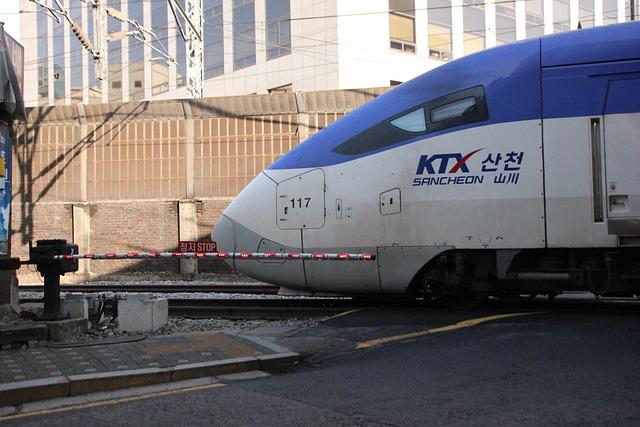
Massachusetts is poised to transform regional travel with the introduction of a high-speed rail line that will link the western and eastern parts of the state. This ambitious infrastructure project aims to considerably reduce travel times, enhance connectivity, and support economic growth across Massachusetts. As plans advance, the new rail line is expected to provide a modern, efficient option to road and air transport, fostering greater accessibility between key urban and rural communities. With high-speed rail gaining momentum nationwide, Massachusetts is joining a broader movement toward faster, greener, and more reliable passenger transportation.
Table of Contents
- High-Speed Rail Proposal Aims to Transform Massachusetts Transportation Landscape
- Economic and Environmental Benefits Projected Along the Western to Eastern Corridor
- Key Engineering Challenges and Infrastructure Upgrades Detailed in Planning Phase
- Experts Urge Strategic Investments to Maximize Community Impact and Connectivity
- Future Outlook
High-Speed Rail Proposal Aims to Transform Massachusetts Transportation Landscape
Massachusetts is poised for a major transportation overhaul with the introduction of a high-speed rail system designed to drastically reduce travel time between the state’s western and eastern regions. This ambitious project aims to connect key urban centers, fostering economic growth and improving commuter convenience. By enabling trains to run at speeds exceeding 200 mph, the new rail line promises to significantly enhance regional accessibility, enticing more residents to shift from automobiles to a faster, greener mode of travel.
The plan includes:
- State-of-the-art infrastructure integrating modern safety and efficiency technologies
- Revitalization of existing rail corridors with expanded station facilities
- Environmental sustainability measures to minimize carbon footprint
- Potential job creation across construction, operations, and ancillary services
Officials emphasize that this growth is more than just a transportation upgrade; it is a catalyst for reshaping economic patterns and urban development across Massachusetts. By linking cities such as Springfield and Boston with unprecedented speed, stakeholders anticipate boosted tourism, expanded business opportunities, and more balanced population distribution throughout the state.
Economic and Environmental Benefits Projected Along the Western to Eastern Corridor
Economic revitalization is a cornerstone of the high-speed rail project, promising to invigorate communities along the Western to Eastern Massachusetts corridor. By reducing travel times dramatically, the rail line is expected to enhance labor market connectivity, fostering job growth and attracting new businesses to the region. This improved accessibility is projected to spark investments in housing, retail, and services, creating a ripple effect of economic activity. Local economies stand to benefit from increased tourism and commuter spending, while property values around key transit hubs are anticipated to rise.
On the environmental front, the project is poised to deliver substantial reductions in greenhouse gas emissions by shifting travelers from cars and planes to a low-carbon rail alternative. Expected benefits include:
- Decreased traffic congestion on major highways, contributing to cleaner air and improved public health.
- Lower fossil fuel consumption through energy-efficient electric trains powered increasingly by renewable sources.
- Preservation of natural habitats by promoting enduring land use patterns and reducing urban sprawl.
Together, these economic and environmental gains underscore the transformative potential of linking Western and Eastern Massachusetts with a high-speed rail network, signaling a future of growth that is both prosperous and sustainable.
Key Engineering Challenges and Infrastructure Upgrades Detailed in Planning Phase
The technical demands of connecting Western and Eastern Massachusetts via high-speed rail have revealed several complex engineering obstacles.Among the foremost challenges is the adaptation of existing rail corridors to support trains traveling at increased speeds while maintaining safety and efficiency. This involves substantial track strengthening and realignment, as well as the installation of advanced signaling and dialog systems to manage higher traffic volumes and improve operational reliability. Environmental considerations also play a critical role, requiring innovative solutions to minimize ecological impact during construction and operation.
In addition to engineering hurdles,complete infrastructure upgrades are integral to the project’s success. Key improvements include:
- Bridge and tunnel reinforcement: Enhancing structural integrity to accommodate faster, heavier trains.
- Station modernization: Upgrading platforms and facilities to support increased passenger capacity and accessibility.
- Electrification systems: Implementing energy-efficient power supplies to reduce carbon emissions and operational costs.
- Advanced safety technology: Installing cutting-edge automatic train control and disaster mitigation systems.
These targeted upgrades are designed to seamlessly integrate modern high-speed capabilities with Massachusetts’ existing rail infrastructure, ensuring a transformative transit experience for commuters and freight operators alike.
Experts Urge Strategic Investments to Maximize Community Impact and Connectivity
Industry experts emphasize the necessity of targeted investments that not only prioritize the construction of the high-speed rail infrastructure but also focus on enhancing the communities it will serve. According to transportation planners,maximizing the project’s impact requires coordinated efforts to improve local transit connections,station accessibility,and equitable development around rail hubs. Strategic funding should aim to:
- Integrate multimodal transit options to enable seamless travel beyond the train stations.
- Support affordable housing and commercial growth to revitalize neighborhoods along the corridor.
- Implement sustainable design practices to minimize environmental impact.
Moreover, connectivity between Western and Eastern Massachusetts hinges on fostering partnerships across municipal, state, and private sectors.Experts advocate for proactive community engagement and comprehensive planning to ensure that the rail line serves as a catalyst for economic prospect and regional cohesion.This approach will ensure that investments translate into long-term benefits, including reduced congestion, enhanced mobility, and strengthened social networks across the Commonwealth.
Future Outlook
As Massachusetts moves forward with the high-speed rail project, the promise of faster, more efficient travel between the western and eastern regions highlights a significant advancement in the state’s transportation infrastructure. Stakeholders remain optimistic that this initiative will not only enhance connectivity but also stimulate economic growth and environmental sustainability. With construction on the horizon, residents and commuters alike await the transformative impact this rail link is expected to bring to Massachusetts’ future.