
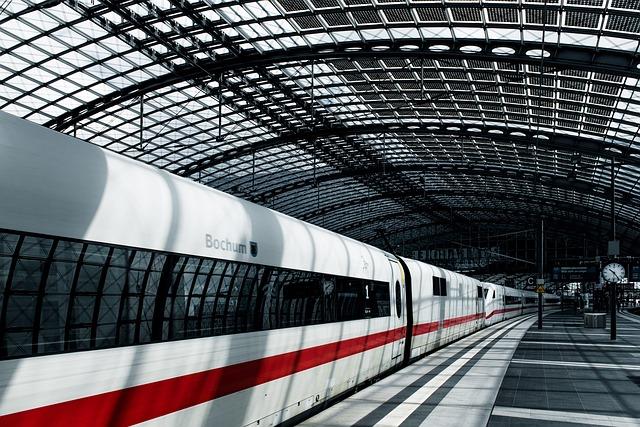
The Massachusetts Bay Transportation Authority (MBTA) is gearing up for a notable expansion of commuter rail services in Southeastern Massachusetts, promising enhanced connectivity and improved transit options for residents. The project aims to extend rail lines further into suburban and rural areas, addressing growing demand from daily commuters traveling to and from the Boston metropolitan area. This expansion is expected to alleviate traffic congestion, support regional economic growth, and provide a more sustainable option to car travel for thousands of commuters in the region.
Table of Contents
- Commuter Rail Expansion Aims to Boost Regional Connectivity and Economic Growth
- Key Challenges and Infrastructure Upgrades Essential for Successful Implementation
- Community Engagement and Environmental Considerations Shape Project Development
- Recommendations for Ensuring Timely Completion and Maximizing Public Benefits
- Key Takeaways
Commuter Rail Expansion Aims to Boost Regional Connectivity and Economic Growth
The upcoming expansion of the commuter rail network in Southeastern Massachusetts is set to significantly enhance regional connectivity. By extending rail service to underserved communities,the project aims to provide faster,more reliable transportation options for daily commuters,reducing traffic congestion and environmental impact. This initiative will not only increase access to major employment hubs but also foster greater integration between suburban and urban areas, supporting the daily demands of modern commuters.
Key benefits anticipated from this expansion include:
- Improved transit options linking residential zones with commercial and industrial centers
- Economic revitalization driven by increased accessibility and business growth
- Job creation during construction and through sustained development opportunities
- Enhanced quality of life for residents through reduced commute times and increased mobility
Key Challenges and Infrastructure Upgrades Essential for Successful Implementation
The ambitious expansion of the commuter rail into Southeastern Massachusetts faces several significant hurdles that must be navigated carefully to ensure success. A primary challenge is upgrading aging track infrastructure, which includes reinforcing bridges, modernizing signaling systems, and enhancing track quality to support increased speeds and train frequency. Coordinating construction efforts without disrupting existing commuter services requires meticulous planning. Moreover, securing funding and managing budget constraints remain critical, as costs escalate with the scale of required upgrades and unforeseen technical complexities emerge during implementation.
To address these challenges, extensive infrastructure improvements are underway, including the installation of advanced communication and safety technologies that will allow for more efficient train operations. Key upgrades focus on:
- Expanding station capacity to accommodate longer trains and rising ridership.
- Enhancing accessibility features to meet ADA standards and improve passenger convenience.
- Integrating multimodal connections such as bus and bike facilities to support last-mile connectivity.
These upgrades not only modernize the rail system but also position it as a vital transportation backbone for the region’s growth. Success depends on coordinated efforts between state agencies, local governments, and contractors to balance timelines, budgets, and community impact.
Community Engagement and Environmental Considerations Shape Project Development
The expansion project has been profoundly shaped by extensive community input, reflecting a commitment to transparency and responsiveness. Local residents, business leaders, and advocacy groups have participated in numerous public forums and workshops, ensuring their voices influence key decisions. This collaborative approach has helped identify priority areas such as improved station accessibility, noise mitigation, and enhanced pedestrian safety. Officials emphasize that ongoing engagement will continue throughout construction to address emerging concerns and adapt plans accordingly.
Environmental stewardship remains at the project’s core, with rigorous assessments guiding sustainable development practices. Efforts include preserving natural habitats adjacent to new rail lines, implementing stormwater management systems, and prioritizing green infrastructure to reduce ecological impact. Key initiatives involve:
- Utilizing low-emission construction equipment to minimize air pollution
- Installing energy-efficient lighting and solar panels at station sites
- Conducting wildlife impact studies to safeguard local biodiversity
These measures aim to balance infrastructure growth with environmental responsibility, setting a precedent for future transit projects in the region.
Recommendations for Ensuring Timely Completion and Maximizing Public Benefits
To guarantee the commuter rail expansion in Southeastern Massachusetts meets its projected timelines and delivers maximum value, officials emphasize the need for stringent project management and enhanced community engagement. Prioritizing clear communication channels with local stakeholders will foster trust and streamline approvals, reducing bureaucratic delays. Additionally, deploying advanced technology solutions for real-time tracking of construction milestones can help identify and address bottlenecks promptly.
- Implement phased construction schedules to minimize disruptions and keep progress measurable.
- Enhance funding oversight to ensure budget adherence and reduce financial risks.
- Promote equitable access by integrating affordable fare strategies for low-income commuters.
- Coordinate with local transit agencies to improve first- and last-mile connectivity, expanding ridership opportunities.
Maximizing public benefits requires balancing infrastructural growth with environmental stewardship and social inclusivity.Incorporating sustainable design practices and green spaces around new stations will elevate community well-being while mitigating ecological impact. Moreover, continuous data collection on commuter usage patterns post-launch will inform future service optimizations, ensuring the rail expansion remains responsive to evolving regional needs.
Key Takeaways
The planned commuter rail expansion in Southeastern Massachusetts marks a significant step toward enhancing regional connectivity and addressing the transportation needs of local communities. As construction progresses, residents and commuters alike can anticipate improved accessibility, reduced travel times, and a boost to economic development throughout the area. This initiative underscores ongoing efforts to invest in sustainable, efficient public transit solutions that support the region’s growth well into the future.