
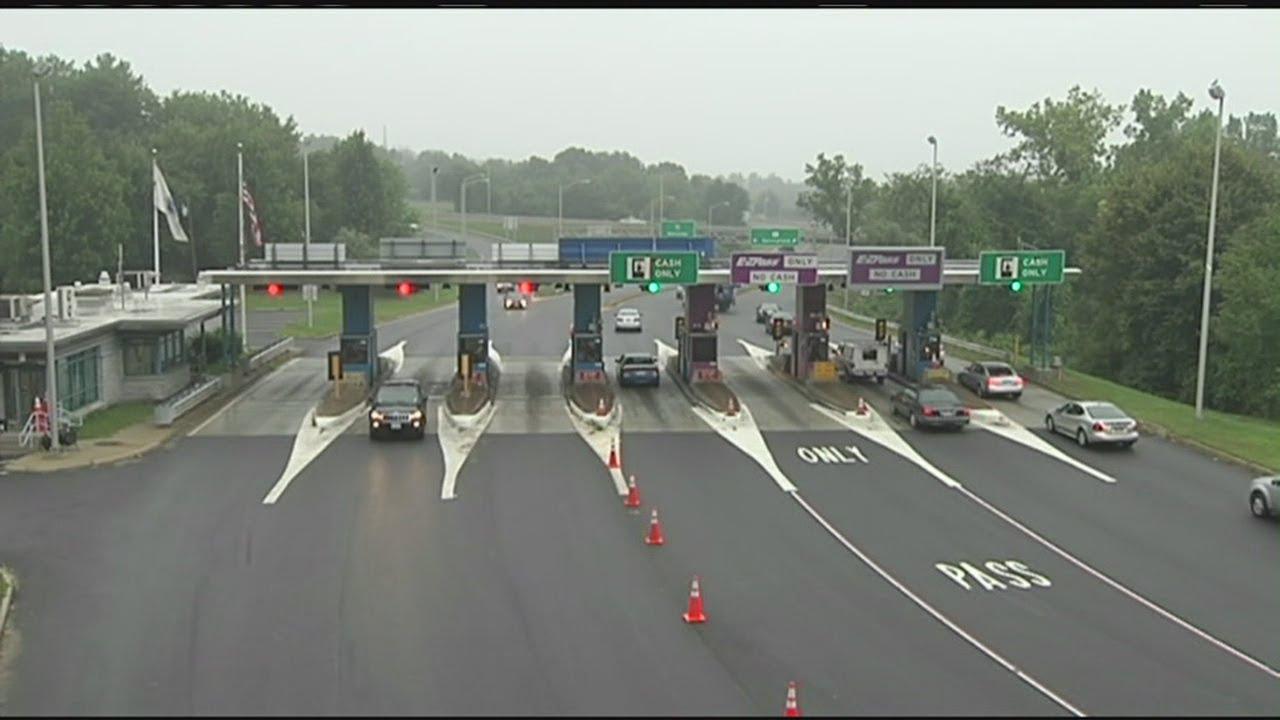
As Massachusetts continues to evolve its transportation infrastructure, significant changes loom on the horizon for drivers using the Massachusetts Turnpike (Mass Pike) and Interstate 90 (I-90). With toll modernization initiatives underway, commuters and commercial carriers alike are bracing for updates that promise to reshape travel costs, technology implementation, and overall traffic management. This article explores what motorists can expect in the coming years regarding toll rates, payment systems, and policy shifts on these critical roadways.
Table of Contents
- Future Technology Integration in Toll Collection on the Mass Pike and I-90
- Economic Impacts of Toll Adjustments on Commuters and Local Businesses
- Environmental Considerations and the Push for Sustainable Tolling Solutions
- Policy Recommendations for Equitable and Efficient Toll Management
- In Retrospect
Future Technology Integration in Toll Collection on the Mass Pike and I-90
Emerging technologies promise to revolutionize toll collection on the Mass Pike and I-90, delivering greater efficiency and minimizing congestion. Advanced automated license plate recognition (ALPR) systems will enable seamless tolling without the need for physical toll booths, allowing vehicles to pass through at highway speeds. Additionally, integration with smartphone applications and connected vehicle platforms will facilitate real-time payment processing, dynamic pricing models, and personalized toll discounts based on travel patterns. These smart systems aim to reduce human error and operational costs, while enhancing the user experience for commuters and commercial drivers alike.
The adoption of blockchain technology and data analytics will further enhance transaction security and openness, safeguarding user information and streamlining dispute resolution. Future upgrades will also incorporate environmentally conscious features such as toll adjustments that incentivize electric and low-emission vehicles, supporting state-wide sustainability goals.Key developments to watch include:
- Real-time vehicle tracking enabling optimized traffic flow and reduced bottlenecks
- Contactless and interoperable payment methods compatible with multiple regional toll authorities
- Integration with autonomous vehicle networks for fully automated toll processing
- Enhanced user portals offering detailed toll usage insights and customizable account settings
Together, these innovations are set to transform tolling on the Mass Pike and I-90 into a frictionless, smart infrastructure model for the future.
Economic Impacts of Toll Adjustments on Commuters and Local Businesses
Recent adjustments to the Mass Pike and I-90 tolls are anticipated to ripple across the local economy, with commuters facing higher daily travel expenses. For many, this means recalibrating budgets as transportation costs climb, potentially impacting discretionary spending in other sectors. Commuters who rely on these routes for work may explore alternative travel modes or carpooling strategies to mitigate new expenses. Meanwhile, increased tolls could discourage occasional travelers, subtly reshaping traffic patterns and possibly reducing congestion during peak hours.
Local businesses along and near these corridors are also bracing for change. While some may see a decline in foot traffic as patrons reconsider travel costs, others could benefit from enhanced revenue if toll adjustments fund infrastructure improvements that boost accessibility and safety. Impacts may include:
- Shifts in customer visitation frequency as consumers weigh the cost-benefit of travel.
- Potential increases in delivery and operational expenses for businesses reliant on freight routes.
- Opportunities for local vendors to attract commuters opting for park-and-ride or public transit alternatives.
Understanding these dynamics is crucial for stakeholders striving to adapt strategies that ensure economic resilience amid evolving toll structures.
Environmental Considerations and the Push for Sustainable Tolling Solutions
As transportation infrastructures evolve, reducing the environmental footprint of tolling systems on the Mass Pike and I-90 has become a critical priority. Traditional toll booths contribute to vehicle idling and increased emissions, prompting shifts toward fully electronic, cashless tolling solutions. These innovations not only streamline traffic flow but also significantly cut down on carbon emissions by eliminating stop-and-go congestion. Agencies are exploring integration of renewable energy sources, such as solar-powered toll gantries, to further decrease operational carbon footprints.Moreover, using advanced data analytics enables optimized traffic management, reducing unneeded travel and contributing to broader climate goals.
Incorporating sustainability into tolling systems aligns with a global push for environmentally responsible infrastructure advancement. Stakeholders emphasize benefits such as:
- Lower greenhouse gas emissions through smarter, contactless tolling
- Reduced dependency on non-renewable energy sources for toll operations
- Support for sustainable urban mobility by encouraging use of high-occupancy and electric vehicles with toll discounts
- Long-term economic viability through maintenance cost reductions and resilience to environmental changes
These approaches reflect a commitment to sustaining the highways’ long-term usability while actively mitigating their environmental impact, marking a significant step toward a greener, more efficient transportation future.
Policy Recommendations for Equitable and Efficient Toll Management
To foster a tolling system that is fair and efficient, policymakers must prioritize transparency and accessibility.Integrating dynamic pricing models that adjust based on traffic patterns can mitigate congestion while ensuring that tolls remain affordable during off-peak hours. Moreover,expanding electronic payment options and streamlining the billing process will reduce administrative burdens and enhance user experience. Key strategies include:
- Implementing income-based discounts or subsidies to support low-income drivers.
- Promoting interoperability across regional and state toll systems to simplify usage for frequent travelers.
- Increasing real-time communication regarding toll rates and road conditions via apps and digital signage.
Further, equitable toll management requires ongoing stakeholder engagement to ensure policies reflect community needs and environmental considerations. Investing in technology upgrades, such as all-electronic tolling and license plate recognition, can reduce operational costs and deter toll evasion. Ultimately, a balanced approach must address infrastructural funding while minimizing the economic impact on commuters, businesses, and regional economies.
In Retrospect
As Massachusetts continues to evolve its transportation infrastructure, the future of Mass Pike and I-90 tolls remains a critical focus for policymakers and commuters alike. With ongoing discussions about technology upgrades, toll pricing strategies, and potential impacts on traffic flow and revenue generation, the coming years promise significant changes ahead.Staying informed and engaged will be essential for drivers navigating these shifts, as Massachusetts aims to balance efficiency, sustainability, and fairness in its tolling system.For the latest updates and official information, travelers are encouraged to visit the Massachusetts Lottery and transportation websites regularly.