
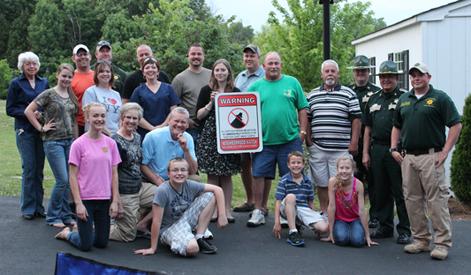
Neighborhood Watch programs have emerged as vital community initiatives across towns nationwide, aiming to enhance neighborhood safety through collective vigilance and cooperation. By fostering stronger relationships between residents and local law enforcement,these grassroots efforts seek to reduce crime rates,increase public awareness,and promote a sense of security. As Neighborhood Watch groups gain momentum in diverse communities, their varying impacts reveal both successes and challenges in addressing local crime concerns, demonstrating how collaborative community action can shape public safety outcomes in distinct environments. This article explores the influence and effectiveness of Neighborhood Watch programs in different towns, highlighting the role they play in transforming neighborhoods and empowering residents.
Table of Contents
- Neighborhood Watch Programs Strengthen Community Bonds and Reduce Crime Rates
- Variations in Implementation and Effectiveness Among Urban, Suburban, and Rural Areas
- Case Studies Reveal Key Factors Driving Success Across Different Towns
- Strategies for Enhancing Participation and Sustaining Long-Term Impact
- Closing Remarks
Neighborhood Watch Programs Strengthen Community Bonds and Reduce Crime Rates
Across numerous towns, Neighborhood Watch programs have emerged as powerful catalysts for community cohesion and public safety. By fostering a network of vigilant and engaged residents, these initiatives promote a shared sense of responsibility that transcends individual households. The result is a tighter-knit community where neighbors not only look out for each other but actively collaborate to identify and deter criminal activities. This proactive involvement has been linked to significant drops in local crime statistics, underscoring how community solidarity can translate directly into safer environments.
Key benefits observed in towns implementing Neighborhood Watch programs include:
- Improved communication channels between residents and law enforcement agencies
- Increased awareness of suspicious activities and crime prevention strategies
- Strengthened social ties and mutual trust among diverse neighborhoods
- Reduced fear of crime, leading to a revitalized public life in communal spaces
By nurturing an atmosphere of vigilance combined with trust, Neighborhood Watch programs effectively transform communities into resilient units where public safety is a collaborative priority. This model continues to gain momentum nationwide, proving that when residents unite with a common purpose, the impact on crime reduction and quality of life can be both measurable and enduring.
Variations in Implementation and Effectiveness Among Urban, Suburban, and Rural Areas
Neighborhood Watch programs demonstrate notable differences in their execution and impact across urban, suburban, and rural settings. In urban areas, their implementation often contends with higher population density and diverse community dynamics, which can complicate coordinated efforts but also amplify the program’s reach when effectively mobilized. Urban Neighborhood Watches leverage technology and social media to foster rapid communication and vigilance. Conversely, suburban neighborhoods typically benefit from closer-knit communities with more homogenous demographics, allowing for more personal interactions and sustained participation. In these areas, programs frequently emphasize community meetings and direct engagement with local law enforcement, which enhances trust and responsiveness.
Rural Neighborhood Watch programs face unique challenges due to geographic dispersion and limited law enforcement presence, which can hinder timely incident reporting and intervention. However, these programs often thrive on strong interpersonal relationships and a culture of mutual assistance. Volunteers in rural areas frequently enough take on extended roles beyond surveillance,such as community support and information dissemination.Key factors influencing effectiveness across all settings include:
- Community cohesion and trust among residents
- Access to reliable communication technologies
- Collaboration with local law enforcement agencies
- Adaptation to local crime patterns and concerns
Ultimately, tailoring Neighborhood Watch initiatives to the specific needs and characteristics of each setting maximizes their ability to enhance safety and foster community resilience.
Case Studies Reveal Key Factors Driving Success Across Different Towns
Extensive case studies across various towns reveal that community engagement is the cornerstone of successful Neighborhood Watch programs. Towns that invested in regular, transparent communication between residents and local law enforcement observed a marked reduction in crime rates. Additionally, programs that fostered inclusivity by involving diverse neighborhood groups experienced higher participation rates and sustained momentum.The most effective initiatives relied on tailored approaches that addressed specific local concerns rather than adopting a one-size-fits-all model.
Several recurring factors emerged as critical drivers behind the programs’ impact:
- Consistent training and support: Well-trained volunteers equipped with resources boost confidence and vigilance.
- Strong leadership: Committed coordinators who motivated and organized neighbors proved essential.
- Technology utilization: Adoption of apps and social media platforms facilitated faster information flow.
- Community trust-building: Efforts to build trust between residents and authorities enhanced cooperation and reporting.
Strategies for Enhancing Participation and Sustaining Long-Term Impact
Building strong community relationships remains essential for sustaining neighborhood watch programs. Leaders in various towns have successfully fostered a sense of collective ownership by organizing regular meetups, which serve as platforms for open dialog and mutual support. These gatherings frequently enough include local law enforcement officers, enabling participants to stay informed on crime trends and safety tactics.Incorporating technology, such as social media groups or dedicated apps, has also proven effective in keeping residents engaged and connected, allowing for rapid sharing of alerts and updates in real time.
Long-term impact is further enhanced through skill progress and inclusivity. Training sessions on observation techniques, communication skills, and emergency preparedness empower volunteers to act confidently and responsibly. Programs that emphasize diverse participation-reaching out to different age groups, cultures, and backgrounds-create a more resilient and representative neighborhood force. Additionally, celebrating milestones and publicizing success stories reinforces community pride and motivates ongoing involvement, ensuring that vigilance and solidarity remain cornerstones of lasting safety improvements.
Closing Remarks
As neighborhood watch programs continue to evolve, their impact across diverse communities remains a testament to the power of collective vigilance and cooperation. From enhancing public safety to fostering stronger community ties, these programs demonstrate that proactive citizen involvement can make a tangible difference in towns of all sizes. As challenges persist,the ongoing collaboration between residents,local authorities,and support organizations will be crucial in sustaining and expanding the positive effects of neighborhood watch initiatives nationwide.