
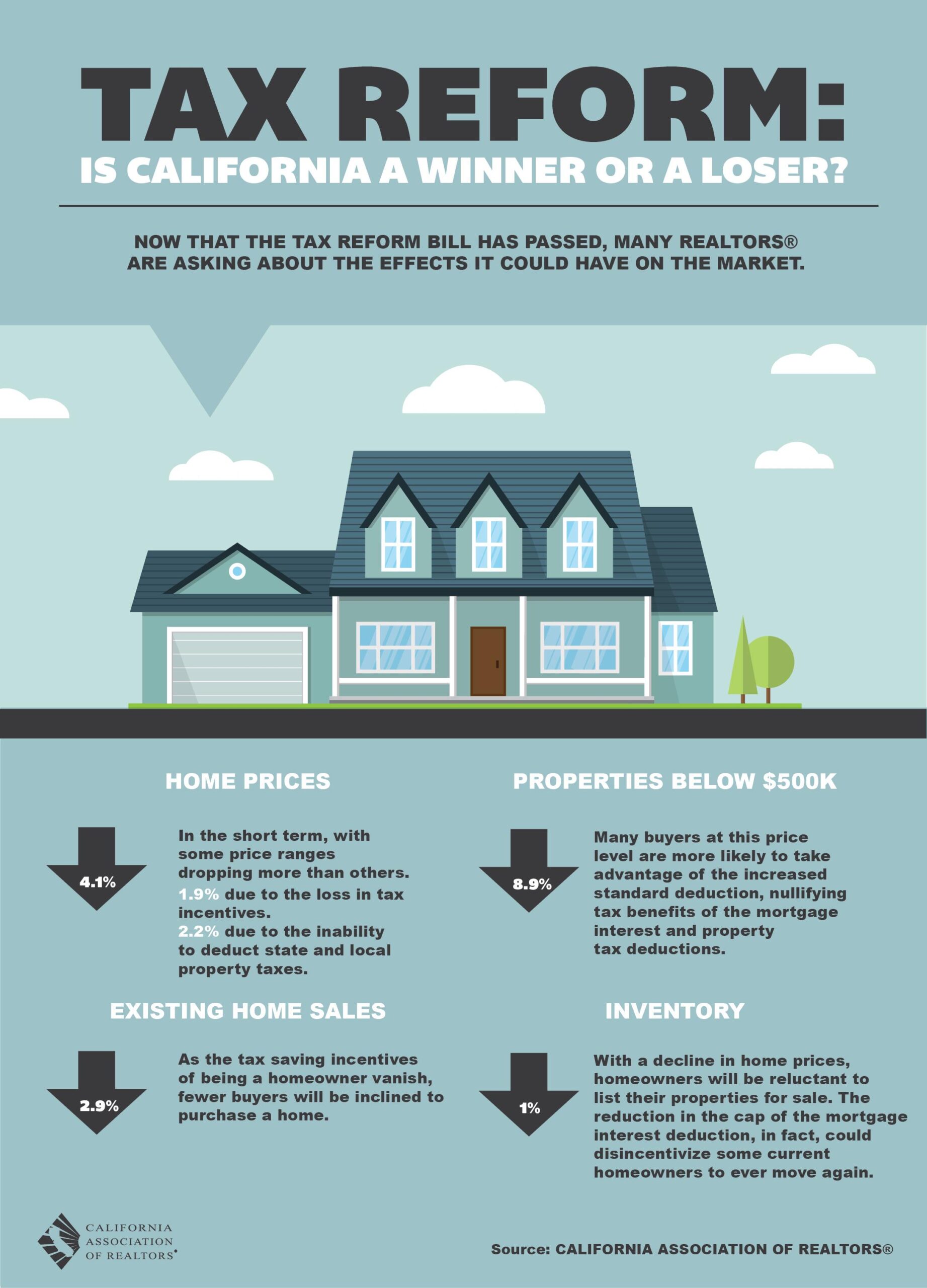
Rising property taxes are increasingly shaping the landscape of homeownership across the country, raising crucial questions about affordability for many potential buyers and current homeowners. As local governments rely heavily on property tax revenue to fund essential services, homeowners frequently enough face growing financial burdens that can influence decisions about buying, selling, or maintaining a home. This article explores how varying property tax rates impact housing affordability,the challenges they pose for different demographic groups,and what this means for the future of the housing market.
Table of Contents
- Understanding the Role of Property Taxes in Homeownership Costs
- Analyzing the Effects of Rising Property Taxes on Housing Affordability
- Strategies for Homebuyers to Mitigate the Impact of Property Taxes
- Policy Recommendations to Balance Property Taxes and Housing Accessibility
- In Summary
Understanding the Role of Property Taxes in Homeownership Costs
Property taxes represent a notable portion of ongoing homeownership expenses and often influence the affordability of owning a home more directly than the purchase price itself. These taxes are typically assessed annually based on the home’s assessed value and local tax rates. Homeowners must factor in these recurring costs, which can fluctuate due to market value changes or adjustments in tax policy. Notably, some regions offer programs allowing qualified property owners to defer payment under certain conditions, easing short-term financial burdens while ensuring long-term accountability.
Understanding the exact role of property taxes can help homeowners anticipate financial obligations and plan accordingly. Key factors include:
- Assessment Methods: How local authorities appraise property values impacts tax liabilities.
- Exemptions and Deferrals: Programs available can reduce or postpone tax payments for eligible owners.
- Impact on Affordability: Increasing property taxes can push overall homeownership costs beyond budgets, particularly affecting fixed-income households.
By staying informed about local property tax regulations and potential relief options, homeowners can better manage their finances and protect their investment over time.
Analyzing the Effects of Rising Property Taxes on Housing Affordability
As property taxes continue to rise in many regions, their impact on housing affordability becomes increasingly pronounced.Homeowners face higher annual expenses that can significantly strain household budgets, especially for low- and moderate-income families. These fiscal pressures often lead to difficult trade-offs, forcing homeowners to cut back on other essential expenditures or reconsider their ability to remain in their current homes. Additionally, escalating property taxes can deter potential buyers, contributing to a cooling effect in local housing markets and limiting access to affordable homeownership for first-time buyers.
The repercussions extend beyond individual households, influencing broader economic and social dynamics. Key consequences include:
- Reduced mobility: Higher tax burdens discourage homeowners from relocating, limiting labor market flexibility.
- Market distortion: Increased costs can inflate rents as landlords pass taxes onto tenants, further tightening affordable housing supply.
- Community disparities: Wealthier neighborhoods may better absorb tax hikes, exacerbating inequality in property services and infrastructure investment.
Such trends underscore the urgent need for policymakers to balance revenue generation with the preservation of affordable housing pathways.
Strategies for Homebuyers to Mitigate the Impact of Property Taxes
Homebuyers looking to soften the blow of rising property taxes should consider multiple avenues to safeguard affordability. One effective approach is to target areas with historically lower tax rates, often found in emerging suburbs or regions with tax incentives for new homeowners. Additionally, engaging with local tax assessors early can uncover opportunities for property tax exemptions or reductions based on specific qualifications such as veteran status, senior citizenship, or primary residence status. Prospective buyers should also factor in potential tax escalations over time to avoid surprises that could strain budgeting.
Beyond location choices, strategic financial planning plays a crucial role. Homebuyers are advised to:
- Incorporate property tax estimates into their mortgage affordability calculations to maintain realistic expectations.
- Explore appeal procedures if initial property assessments seem inflated, as reassessments can lead to significant tax savings.
- Consult with real estate and tax professionals to stay informed about local tax policies and changes that might affect long-term costs.
By proactively employing these strategies, homebuyers can better navigate the complexities of property taxes and protect their homeownership investment against unexpected financial pressure.
Policy Recommendations to Balance Property Taxes and Housing Accessibility
To address the delicate balance between generating essential public revenue and maintaining housing affordability, policymakers must consider innovative taxation frameworks. One promising approach involves differentiated property tax rates that vary based on property type, usage, and owner income levels. By implementing progressive tax tiers, jurisdictions can ease the burden on first-time buyers and low-income homeowners while ensuring larger or investment properties contribute proportionately more. Additionally, targeted tax credits and exemptions can protect vulnerable populations from excessive tax liabilities without eroding the overall tax base.
Further reforms should integrate strategic incentives to stimulate the supply of affordable housing. These may include:
- Reduced tax rates for developers who prioritize affordable or mixed-income housing projects
- Reinvestment of property tax revenues into housing support programs and infrastructure upgrades
- Periodic reassessment limits to prevent sudden and sharp increases that displace existing homeowners
By embracing a multifaceted policy design, governments can generate stable fiscal resources while fostering accessible, inclusive communities that resist displacement despite rising property values.
In Summary
As property taxes continue to play a pivotal role in shaping the housing market, their impact on homeownership and affordability remains a crucial concern for homeowners, prospective buyers, and policymakers alike. Understanding these tax dynamics is essential for making informed decisions that balance community funding needs with the goal of accessible and enduring homeownership. As debates over tax policies persist,the path forward will require careful consideration of how property taxes affect not only individual budgets but the broader landscape of housing affordability nationwide.