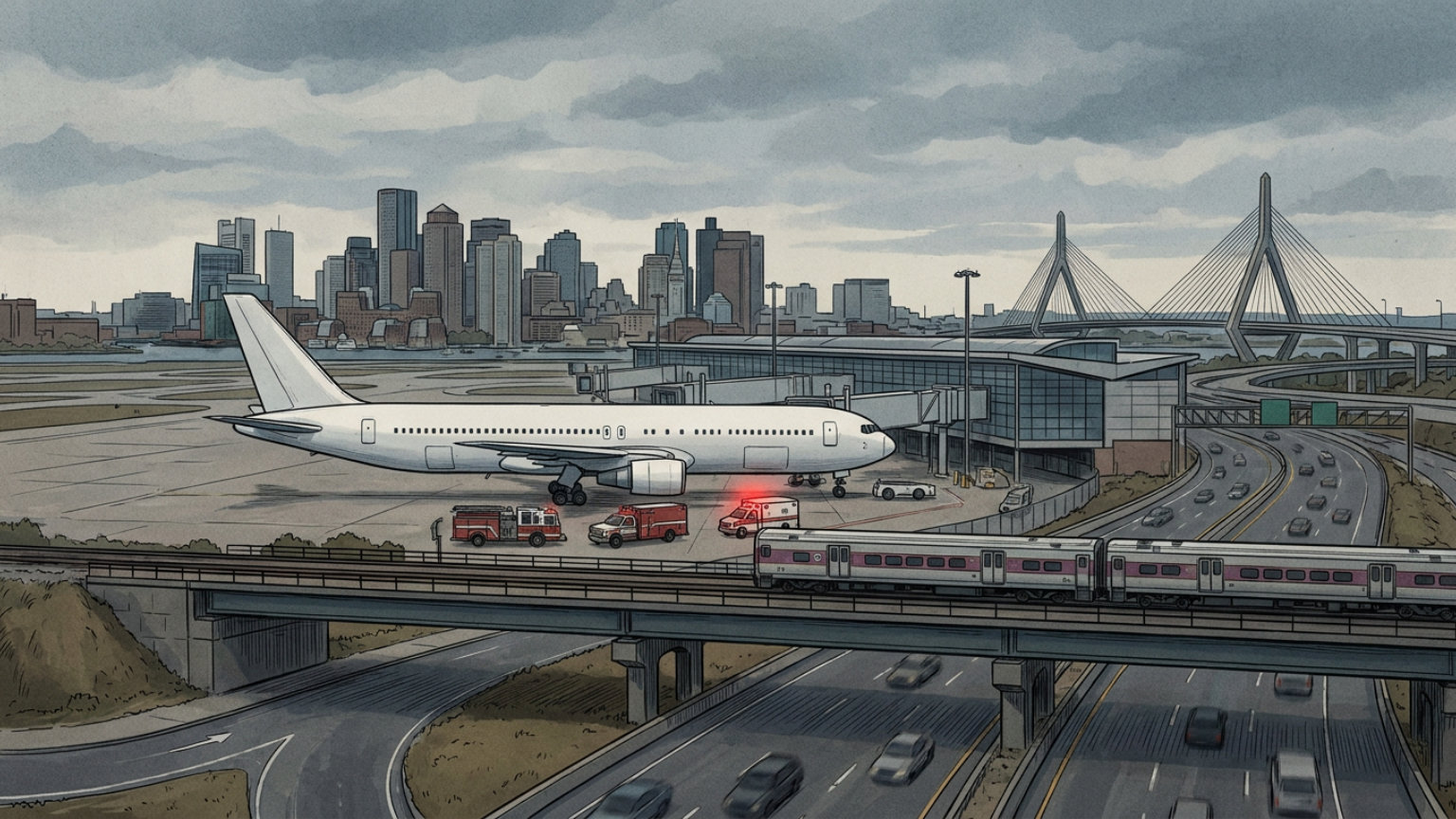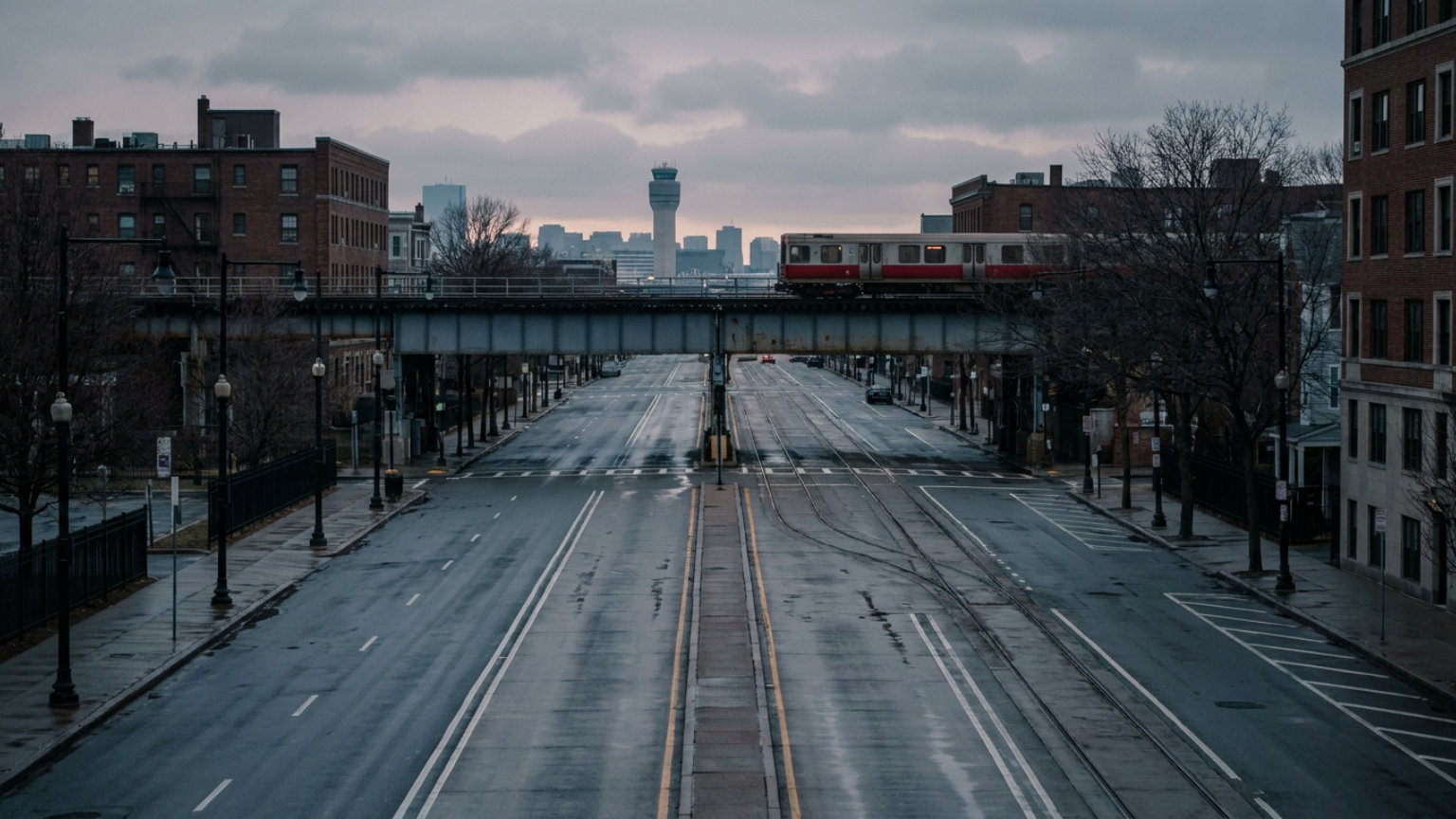

The Massachusetts Bay Transportation Authority (MBTA), a critical lifeline for millions of commuters across the Boston metropolitan area, is grappling with mounting challenges that threaten the reliability of its services. Safety concerns and an increasing number of slow zones along key routes are causing delays and disruptions, frustrating riders and raising questions about the future efficiency of the system. As the MBTA continues to address aging infrastructure and operational hurdles, passengers are feeling the impact on their daily commutes, sparking calls for urgent improvements and clear dialog from transit authorities.
Table of Contents
- Safety Concerns Prompt Increased Implementation of Slow Zones on MBTA Routes
- Passenger Delays and Frustrations Rise as Slow Zones Affect Commute Times
- Detailed Analysis of Accident Hotspots Leading to New Safety Regulations
- Expert Recommendations for Balancing Safety Improvements with Efficient Transit Service
- Key Takeaways
Safety Concerns Prompt Increased Implementation of Slow Zones on MBTA Routes
Recent safety assessments conducted by the MBTA have driven a notable increase in the deployment of slow zones across critical segments of the transit system. These zones, aimed at lowering train speeds to navigate deteriorating tracks and infrastructure, serve as a direct response to identified risks that could compromise passenger safety if left unaddressed. While necessary to prevent accidents and service disruptions, the proliferation of slow zones has simultaneously intensified commuter delays, prompting sharp reactions from daily riders and city officials alike.
The implementation of slow zones typically involves:
- Reduced speed limits in specific track areas showing signs of wear or requiring urgent repairs
- Increased maintenance efforts to prioritize track stabilization and ensure long-term safety
- Temporary service adjustments to manage the impact on schedule adherence and passenger flow
Despite these measures, the MBTA emphasizes that such restrictions are crucial to safeguarding both riders and equipment. The agency balances these slow zones with ongoing infrastructure upgrades, aiming to ultimately restore normal travel speeds and reduce the frequency and extent of such zones.
Passenger Delays and Frustrations Rise as Slow Zones Affect Commute Times
Recent enforcement of slow zones across key MBTA corridors has resulted in a notable increase in passenger delays, drawing growing frustration from daily commuters. Trains are consistently running behind schedule as operators adhere to mandated speed reductions designed to address safety concerns over track conditions and aging infrastructure. The resulting bottlenecks ripple through entire lines, leaving passengers stranded longer on platforms and reducing overall service reliability.
Commuters report several ongoing issues:
- Longer wait times during peak travel hours
- Crowding on platforms and inside trains due to prolonged dwell times
- Missed connections and disruptions to onward travel plans
- Frustrations over insufficient real-time communication from MBTA staff
While the slow zones seek to enhance safety, passengers argue that the trade-off has significantly degraded the commuting experience, particularly for those relying on MBTA’s commuter rail for time-sensitive travel. Calls for accelerated repairs and increased transparency about expected delays are intensifying as the cumulative impact of these safety-driven speed restrictions becomes more pronounced.
Detailed Analysis of Accident Hotspots Leading to New Safety Regulations
Recent investigations into high-incident locations across the MBTA network have identified critical accident hotspots that significantly contribute to commuter delays and safety concerns. These areas, characterized by frequent collisions and near-miss events, have prompted authorities to implement a suite of targeted safety measures. Key factors fueling these troubles include inadequate signage, poor lighting, and complex traffic patterns at intersections and station approaches. Data analysis revealed that most incidents occur during peak hours when pedestrian and vehicle volumes peak,exacerbating risks and slowing down transit flow.
In response,the MBTA has rolled out new safety regulations aimed at mitigating hazards and streamlining travel. Enhancements include:
- Reduced speed limits in identified slow zones
- Improved crosswalk visibility through brighter,more frequent lighting
- Upgraded signal timing to better coordinate train and vehicle movements
- Expanded surveillance and enforcement to deter risky behaviors
These initiatives are designed not only to safeguard passengers and pedestrians but also to restore on-time performance by controlling traffic flow more effectively around vulnerable spots. Early indicators suggest a promising decline in accidents, though continuous monitoring will be essential to adapt regulations as commuting patterns evolve.
Expert Recommendations for Balancing Safety Improvements with Efficient Transit Service
Transit safety specialists stress the importance of targeted infrastructure upgrades that minimize service disruptions while addressing speed restrictions effectively. They recommend employing advanced track inspection technologies and predictive maintenance to preemptively identify problem areas without imposing wide slow zones. Enhanced communication between operations teams and maintenance crews is crucial to coordinate repairs during off-peak hours whenever possible, reducing the impact on daily commuters. Experts also highlight the potential benefits of integrating upgraded signaling systems and automated warnings to maintain safety without sacrificing throughput.
To reconcile safety priorities with efficient transit service, specialists advocate for a balanced approach involving:
- Incremental and data-driven track rehabilitation plans that focus on the most critical spots first.
- Use of state-of-the-art locomotive and railcar technologies designed to handle temporary speed restrictions safely.
- Implementing alternative service schedules and shuttle services to ease rider burden during maintenance periods.
- Continuous reviewing and refining safety protocols to adapt swiftly to emerging challenges without prolonged slow zones.
Key Takeaways
As the MBTA continues to grapple with safety concerns and the operational challenges posed by slow zones, commuters face ongoing disruptions that affect their daily routines. While efforts to enhance safety remain paramount,striking a balance between necessary precautions and efficient service will be critical to restoring rider confidence. The coming months will reveal how effectively the MBTA can address these issues without compromising the reliability its passengers depend on. For now, transparency, timely updates, and targeted improvements stand as essential steps toward smoother, safer commutes on all MBTA routes.