
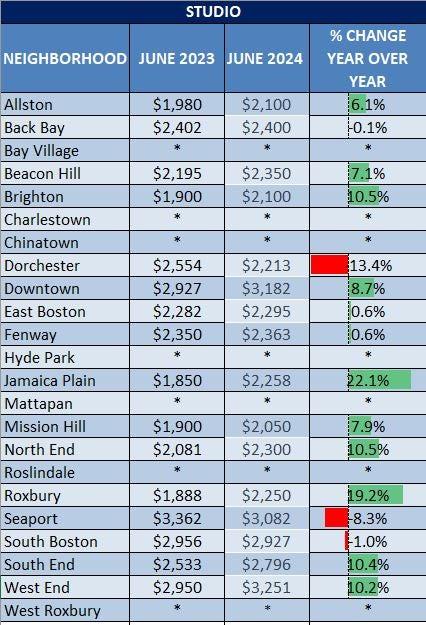
Rising rent costs across the country are putting increasing pressure on tenants, underscoring the ongoing struggles in today’s rental market. As rental prices continue to ascend, many renters face heightened financial burdens, limited housing options, and growing uncertainty about long-term affordability. This trend reflects broader economic challenges and highlights the urgent need for strategies to address housing instability for millions of Americans.
Table of Contents
- Rising Rent Costs Place Increasing Pressure on Low and Middle Income Tenants
- Shortage of Affordable Housing Drives Up Rental Prices Across Major Cities
- Impact of Inflation and Interest Rates on Landlord Pricing Strategies
- Policy Recommendations Aim to Stabilize Rent and Expand Housing Access
- In Summary
Rising Rent Costs Place Increasing Pressure on Low and Middle Income Tenants
Low and middle income tenants are bearing the brunt of escalating rent prices, with many struggling to keep pace amid stagnant wages and rising living expenses. The surge in rental costs has intensified financial stress, forcing households to make arduous choices such as cutting back on essentials, delaying savings, or doubling up with roommates. This growing disparity threatens to exacerbate housing insecurity, especially for families already living paycheck to paycheck.
Key challenges faced by tenants include:
- Rising rent outpacing income growth, shrinking disposable income
- Increased competition for affordable housing driving up prices
- Heightened risk of eviction and homelessness
- Limited availability of rent-controlled or subsidized units
As these pressures mount, experts warn that without targeted policy intervention, the rental market will become increasingly untenable for millions, with socio-economic consequences that ripple beyond the housing sector.
Shortage of Affordable Housing Drives Up Rental Prices Across Major Cities
Across major cities,the scarcity of affordable housing options is intensifying an already challenging rental market. As demand far outpaces supply, landlords have seized the opportunity to increase rents, leaving many renters facing steep price hikes and limited alternatives.For those earning moderate or lower incomes, securing a home within their budget has become increasingly difficult, forcing families and individuals to weigh tough trade-offs or risk homelessness. The imbalance has prompted a surge in applications for subsidized housing programs, yet waiting lists extend from several months to over a year in many urban areas.
Key factors contributing to rising rental costs include:
- Limited new affordable housing developments approved or completed
- Increased demand from population growth and urban migration
- Eviction prevention and housing assistance programs struggling to meet need
- Economic pressures pushing landlords to raise rents to cover operational costs
Organizations like the Colorado Housing Connects and Denver Housing Authority underscore that understanding personal income levels and available assistance programs is critical for renters navigating this tight market. Though, with submission processing times extending up to a year, the gap between supply and demand remains a pressing concern needing urgent policy attention.
Impact of Inflation and Interest Rates on Landlord Pricing Strategies
As inflation continues to pressure household budgets, landlords are adapting their pricing strategies to offset rising operational costs. Increased expenses related to maintenance, utilities, and property taxes, all inflated by broader economic trends, are fueling rental price hikes nationwide. Additionally, central banks’ interest rate hikes to combat inflation have directly raised mortgage costs, especially for landlords with variable-rate loans. These financial pressures are proving difficult to manage without transferring some costs onto tenants, further intensifying rent increases.
Landlords are responding to these economic conditions by:
- Accelerating rent adjustments to stay ahead of fluctuating expenses
- Focusing on tenant retention strategies to reduce turnover costs amid uncertain markets
- Increasing scrutiny on investment property acquisitions, mindful of rising borrowing costs
Such maneuvers underscore the delicate balancing act landlords face in a climate of persistent inflation and shifting monetary policy, with rental affordability becoming a growing concern for many renters across regions. The intertwined effects of inflation and interest rates continue to shape the rental landscape, setting the stage for challenging demand-supply dynamics in the foreseeable future.
Policy Recommendations Aim to Stabilize Rent and Expand Housing Access
In response to soaring rental prices, policymakers are advocating for a suite of measures designed to curb excessive rent hikes and enhance housing affordability. Key proposals include expanding rent control regulations to shield vulnerable renters from unpredictable cost surges, increasing funding for affordable housing developments, and incentivizing landlords to maintain reasonable pricing through tax credits or subsidies.These measures aim to create a more balanced rental market that protects tenants while encouraging responsible property management across urban centers.
Experts emphasize a multifaceted approach that incorporates:
- Strict enforcement of rent stabilization policies to prevent exploitation
- Increased investment in public and mixed-income housing projects
- Streamlined zoning reforms to expedite construction of new units
- Community engagement programs to address localized housing needs
By addressing supply constraints alongside tenant protections, these recommendations seek to relieve pressure on the rental market and expand equitable access to safe, affordable housing.
In Summary
As rent costs continue rising, tenants across the country are feeling unprecedented financial pressure, underscoring significant challenges in the current rental market. With limited housing availability and increasing demand, affordable options remain scarce, intensifying concerns for both renters and policymakers. Addressing these issues will require coordinated efforts to balance market forces and ensure housing accessibility for all. The trajectory of rising rents serves as a critical indicator of broader economic and social strains that demand urgent attention.