
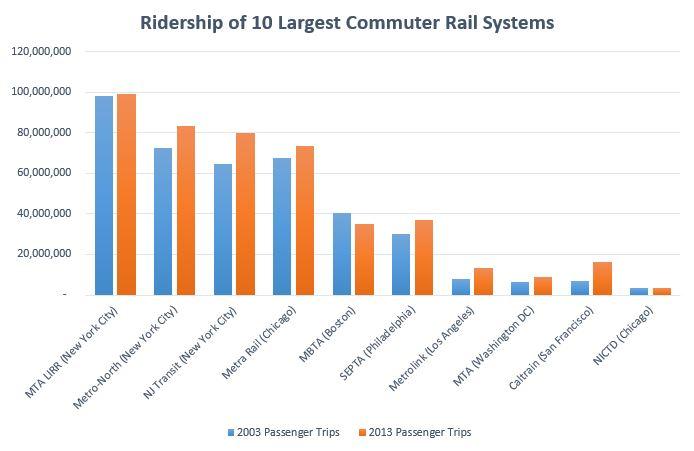
Remote work has reshaped daily commute patterns, profoundly impacting public transit systems like the Massachusetts Bay Transportation Authority (MBTA). As more employees continue to work from home, the MBTA faces notable declines in both ridership and revenue. This shift raises pressing questions about the future of urban transit financing and service planning in the Boston metropolitan area.
Table of Contents
- Remote Work Reshapes MBTA Ridership Patterns Across the Region
- Declining Revenue Forces MBTA to Rethink Service and Budget Priorities
- Experts Call for Innovative Transit Solutions to Adapt to New Commuter Norms
- Strategies for Restoring Ridership and Stabilizing MBTA Finances in a Post-Pandemic Era
- Final Thoughts
Remote Work Reshapes MBTA Ridership Patterns Across the Region
As the surge in remote work adoption, the MBTA has experienced a noticeable shift in ridership dynamics across its network. Peak commuter volumes, traditionally concentrated on inbound routes during weekday mornings, have decreased substantially as more workers opt to stay home or stagger their schedules. This has led to uneven passenger loads,with certain suburban lines seeing persistent declines while some off-peak and weekend trips maintain steady or even increased usage.
These evolving travel behaviors present a complex challenge for MBTA planners and revenue managers. Key impacts include:
- Reduced fare revenue: Lower daily ridership during peak periods has directly cut into MBTA’s traditional income streams.
- Service adjustments: Necessity to recalibrate train frequencies, especially on commuter rail lines, to better match new demand patterns without overextending operational costs.
- Long-term planning hurdles: Uncertainty around the permanence of remote work makes it difficult to forecast and invest in future infrastructure needs appropriately.
Declining Revenue Forces MBTA to Rethink Service and Budget Priorities
Amid a sustained drop in fare revenue, the MBTA is confronting an urgent need to revisit its operational strategies and financial plans. The widespread shift to remote work has dramatically altered commuter patterns, leading to a sharp decline in ridership on key routes. This downturn has not only diminished farebox income but also pressured the authority to trim service frequencies and reconsider project funding to balance the budget.
Key challenges facing the MBTA include:
- Reduced peak-hour traffic as many employers continue flexible or hybrid work models.
- Increased reliance on alternative transportation modes, decreasing traditional transit demand.
- The necessity to prioritize resources towards maintaining essential services while postponing or scaling back expansion efforts.
As the MBTA adapts, officials emphasize the importance of aligning service offerings with evolving rider behavior and securing lasting funding sources to navigate an unpredictable post-pandemic landscape.
Experts Call for Innovative Transit Solutions to Adapt to New Commuter Norms
Transit specialists emphasize that traditional commuter models, long rooted in predictable 9-to-5 schedules, must evolve rapidly to confront the lasting impacts of remote work on MBTA ridership.The persistent decline in daily passengers and farebox revenue pressures transit authorities to innovate beyond incremental adjustments. Experts advocate for the deployment of flexible service patterns that dynamically respond to shifting demand, including expanded off-peak routes and adaptable scheduling. Embracing technology-driven solutions, such as real-time data analytics and integrated mobile platforms, promises to better align transit offerings with the variable rhythms of a decentralizing workforce.
Recommendations also call for investment in multimodal connectivity and community-centric transit hubs to enhance accessibility and convenience. Among the proposed strategies:
- Microtransit and on-demand shuttles designed to bridge last-mile gaps
- Subscription and dynamic pricing models to accommodate diverse commuter patterns
- Enhanced safety and cleanliness standards to rebuild rider confidence post-pandemic
These innovations are critical not only to stabilize MBTA’s fiscal outlook but also to redefine public transportation as a resilient, user-focused network attuned to new commuter realities.
Strategies for Restoring Ridership and Stabilizing MBTA Finances in a Post-Pandemic Era
To counteract the steep decline in ridership driven by the surge in remote work, the MBTA is exploring a multi-faceted approach focused on flexibility and convenience. Key strategies include expanding off-peak service hours to better serve commuters with non-traditional schedules, and introducing dynamic fare structures that provide discounts or incentives for occasional riders rather than daily commuters. Emphasis is also on integrating real-time data and mobile technology to improve the rider experience, making transit more attractive for those considering a return after prolonged absence.
Financial stabilization efforts stress diversified revenue streams and cost-efficiency, including:
- Partnerships with local businesses to create commuter benefits programs encouraging transit use.
- Enhanced advertising and sponsorship opportunities within MBTA assets.
- Optimized fleet management reducing operational expenses without sacrificing service quality.
By aligning operational adjustments with emerging travel patterns and increasing collaboration across public and private sectors,the MBTA aims to rebuild ridership while shoring up its fiscal health in an evolving transit landscape.
Final Thoughts
As remote work continues to reshape commuter patterns, the MBTA faces ongoing challenges in stabilizing ridership and revenue. The shift away from traditional office commutes underscores the need for adaptive strategies to sustain public transit funding and service levels.How the MBTA and local policymakers respond to this evolving landscape will be critical in determining the future accessibility and efficiency of Boston’s transit system.