
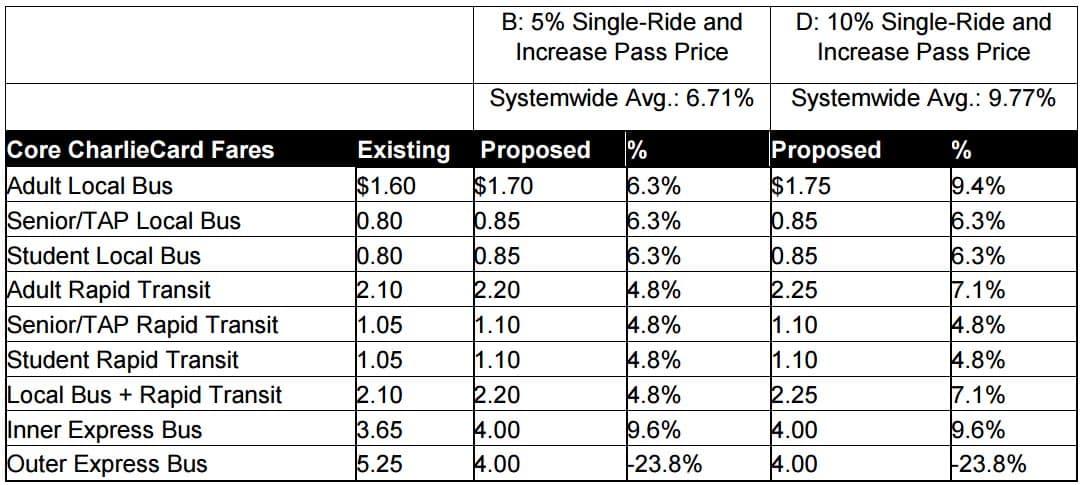
Public hearings were held this week to gather public input on a proposed fare increase for the Massachusetts Bay Transportation Authority (MBTA). The meetings, attended by commuters, advocacy groups, and officials, provided a platform to discuss the potential impacts of higher transit costs on riders across the region. The MBTA is considering the fare adjustments as part of an effort to address budget shortfalls and fund system improvements. Community feedback from these sessions will be pivotal in shaping the agency’s final decision.
Table of Contents
- Public Response Reveals Mixed Opinions on Fare Hike Impact
- MBTA Officials Detail Justifications Behind Proposed Increase
- Community Advocates Urge Consideration of Low-Income Rider Protections
- Experts Recommend Alternative Funding Strategies to Offset Fare Changes
- Final Thoughts
Public Response Reveals Mixed Opinions on Fare Hike Impact
Feedback from the community during the hearings reflected a spectrum of views on the proposed fare increase, highlighting concerns about affordability and service sustainability. Several attendees stressed that the additional costs could disproportionately impact low-income riders, seniors, and students, possibly forcing them to seek alternative, less reliable transportation options. Others, though, acknowledged the necessity of the fare adjustment to support ongoing improvements and maintenance of the MBTA’s aging infrastructure.
Public comments also highlighted key themes that emerged across different demographics:
- The need for obvious reinvestment of fare revenues into service upgrades
- Concerns over increases leading to reduced ridership and traffic congestion
- Support for enhanced frequency and reliability to justify higher costs
- The importance of maintaining discounts and fare capping for vulnerable populations
MBTA Officials Detail Justifications Behind Proposed Increase
MBTA officials emphasized that the proposed fare increase is a necessary step to address escalating operational costs and sustain the current level of service. They highlighted significant investments required for maintenance and modernization, citing aging infrastructure and the need to upgrade critical systems to ensure safety and reliability. Among the justifications presented were rising energy expenses,increased labor costs,and the urgency to fund upcoming capital projects designed to enhance rider experience across all modes of transit.
Key points outlined during the hearings included:
- Securing stable financial footing to avoid service cuts
- Meeting federal and state mandates for accessibility and environmental standards
- Ensuring continued investment in the transit network’s expansion and technology upgrades
- Balancing equity concerns by proposing targeted fare relief programs for low-income riders
Community Advocates Urge Consideration of Low-Income Rider Protections
Voices from the community strongly emphasized the necessity of safeguarding low-income riders as the MBTA weighs significant fare hikes. Advocates highlighted the disproportionate impact fare increases would have on economically vulnerable populations, who rely heavily on public transit for work, education, and essential services. During the hearings, speakers called for the implementation of specific protections, including fare caps and expanded discount programs, to ensure transit remains affordable and accessible for all.
Suggestions from community leaders and advocacy groups included:
- Maintaining and expanding the current low-income fare discount program
- Introducing fare capping to limit daily or monthly spending
- Creating a streamlined application process for discounted fares
- Protecting essential workers who depend on the MBTA
These proposals aim to balance the MBTA’s budgetary needs with social equity considerations, urging policymakers to prioritize vulnerable transit users in any fare restructuring.
Experts Recommend Alternative Funding Strategies to Offset Fare Changes
Transportation policy experts at the hearings emphasized the need for diversified revenue streams to mitigate the impact of fare hikes on daily commuters. Among the suggested avenues were increased state subsidies, leveraging federal grants targeting infrastructure modernization, and introducing targeted congestion pricing in high-traffic zones. Advocates stressed that combining these methods could reduce reliance on fare increases while ensuring the financial sustainability of the Massachusetts Bay Transportation Authority (MBTA).Tax incentives for transit-oriented development and partnerships with private sector stakeholders also featured prominently in their proposals, highlighting the importance of innovative funding solutions beyond traditional fare-based models.
Additionally, some experts called for expanding advertising opportunities across the MBTA system and pursuing environmentally focused grants to align funding with green transportation goals. They urged policymakers to explore value capture mechanisms, whereby property owners benefiting from transit improvements contribute to system upgrades. The panel underscored the importance of aligning alternative funding options with long-term strategic plans to ensure fare affordability while addressing operational costs and capital improvements without disproportionately burdening riders.
- State and federal subsidies expansion
- Congestion pricing and toll reforms
- Public-private partnerships and advertising revenue
- Value capture from transit-enhanced properties
- Green infrastructure grants and incentives
Final Thoughts
The MBTA now faces the critical task of reviewing community feedback gathered during the public hearings as it moves closer to finalizing its fare adjustment plans. With ridership recovery and budget constraints in focus, officials emphasize balancing fiscal obligation with maintaining accessible transit options.The decisions made in the coming weeks will shape the future affordability and sustainability of Boston’s public transportation system. Stakeholders and riders alike await further updates as the process advances.