
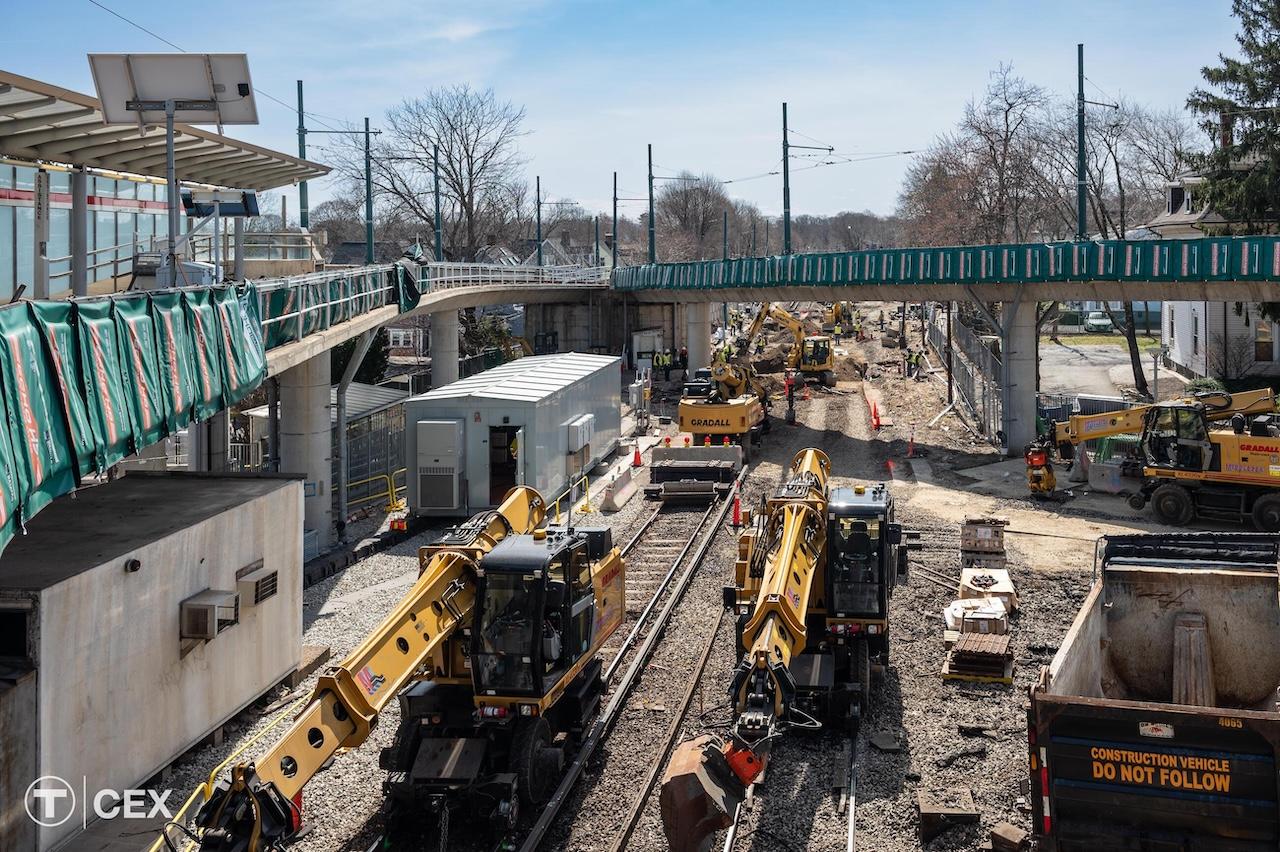
The MBTA Board has officially approved a $9.8 billion capital spending plan for the years 2026 through 2030,marking a important investment in the region’s public transportation infrastructure. The ambitious five-year blueprint aims to modernize transit services, upgrade aging equipment, and expand capacity to meet growing demand. This approval sets the stage for transformative projects intended to enhance reliability, accessibility, and rider experience across the MBTA system.
Table of Contents
- MBTA Board Endorses Ambitious Investment to Modernize Transit Infrastructure
- Focused Improvements Target Aging Tracks and Fleet Upgrades
- Strategic Expansion Plans Emphasize Accessibility and Service Reliability
- Recommendations Call for Enhanced Oversight and Community Engagement
- Insights and Conclusions
MBTA Board Endorses Ambitious Investment to Modernize Transit Infrastructure
The MBTA Board has unanimously approved a landmark $9.8 billion capital plan aimed at transforming the region’s transit landscape over the next five years. This robust investment focuses on upgrading aging rail infrastructure, modernizing fleets across subway and commuter rail lines, and expanding accessibility features system-wide.Key projects within the plan include complete station renovations, enhanced signal systems, and the procurement of new vehicles designed to improve reliability and reduce environmental impact.
Strategic priorities emphasize:
- Safety enhancements and state-of-the-art technology integration
- Expansion of transit capacity to meet growing community demand
- Equity-driven improvements ensuring accessibility for all riders
- Resilience projects to future-proof infrastructure against climate challenges
This commitment marks a pivotal step towards positioning the MBTA as a cutting-edge transit system, ready to serve the Boston metropolitan area with increased efficiency and sustainability through 2030 and beyond.
Focused Improvements Target Aging Tracks and Fleet Upgrades
The MBTA’s latest capital plan earmarks a significant portion of the $9.8 billion budget towards critical track rehabilitation and fleet modernization efforts. Aging infrastructure, long overdue for renewal, will see systematic upgrades aimed at enhancing safety and service reliability across key transit corridors. This investment targets worn rails, deteriorating ties, and outdated signaling systems to reduce delays and improve operational efficiency.
Parallel to track work, the plan accelerates fleet replacements and enhancements with the acquisition of new, energy-efficient vehicles designed to meet increasing ridership demands. Highlights include:
- Introduction of next-generation subway cars with advanced safety features and passenger amenities
- Comprehensive refurbishment programs for existing light rail vehicles to extend service life
- Adoption of greener technologies aimed at reducing the system’s carbon footprint
These focused improvements reflect the MBTA’s commitment to modernizing core assets while prioritizing rider experience and sustainability goals through 2030.
Strategic Expansion Plans Emphasize Accessibility and Service Reliability
The MBTA’s ambitious capital plan for 2026-2030 prioritizes expanded accessibility across the transit network, aiming to make public transportation more inclusive for all riders.Investments will target the modernization of stations to better accommodate people with disabilities through the addition of elevators, improved signage, and tactile warning strips. These enhancements are designed to meet or exceed ADA standards, ensuring that the entire network can be used with greater ease and independence. Additionally,the plan calls for upgrades to rolling stock,including expanded fleets featuring new locomotives such as the F40PH models,which have proven durability and service flexibility.
Reliability remains a cornerstone of the MBTA’s service goals, with targeted allocations focusing on infrastructure resilience and operational efficiency. Key components include:
- Comprehensive overhaul programs addressing aging fleet elements to reduce downtime and delays
- Signal system upgrades for improved train frequency and safety
- Track renewal projects to support higher speeds and smoother rides
These efforts are expected to deliver consistent, dependable service that meets growing ridership demands and fosters trust in public transit options throughout the region.
Recommendations Call for Enhanced Oversight and Community Engagement
In response to growing public scrutiny, stakeholders have urged the MBTA to implement rigorous mechanisms for enhanced oversight to ensure accountability throughout the execution of the $9.8 billion capital plan. Recommendations emphasize the establishment of autonomous monitoring committees and regular progress audits to provide clear updates on budget adherence and project milestones. Such measures aim to prevent cost overruns and delays while fostering public confidence in the agency’s stewardship of funds.
Equally critical is the call for elevated community engagement, advocating for inclusive forums that allow riders and local residents to voice concerns and priorities effectively. Proposed actions include:
- Hosting quarterly town hall meetings across diverse neighborhoods
- Launching digital platforms for real-time feedback and service suggestions
- Partnering with community organizations to reach underrepresented groups
These initiatives aim to align the MBTA’s improvements closely with the population’s evolving transit needs, ensuring that the capital investment delivers tangible benefits equitably.
Insights and Conclusions
The approval of the $9.8 billion capital spending plan marks a critical milestone for the MBTA as it seeks to modernize and expand its transit infrastructure over the next five years. With a focus on improving service reliability, accessibility, and system capacity, this ambitious investment sets the stage for transformative changes across the region’s transportation network. As the MBTA moves forward with these projects, riders and communities alike will be watching closely to see how the plan shapes the future of public transit in the Boston metropolitan area.