
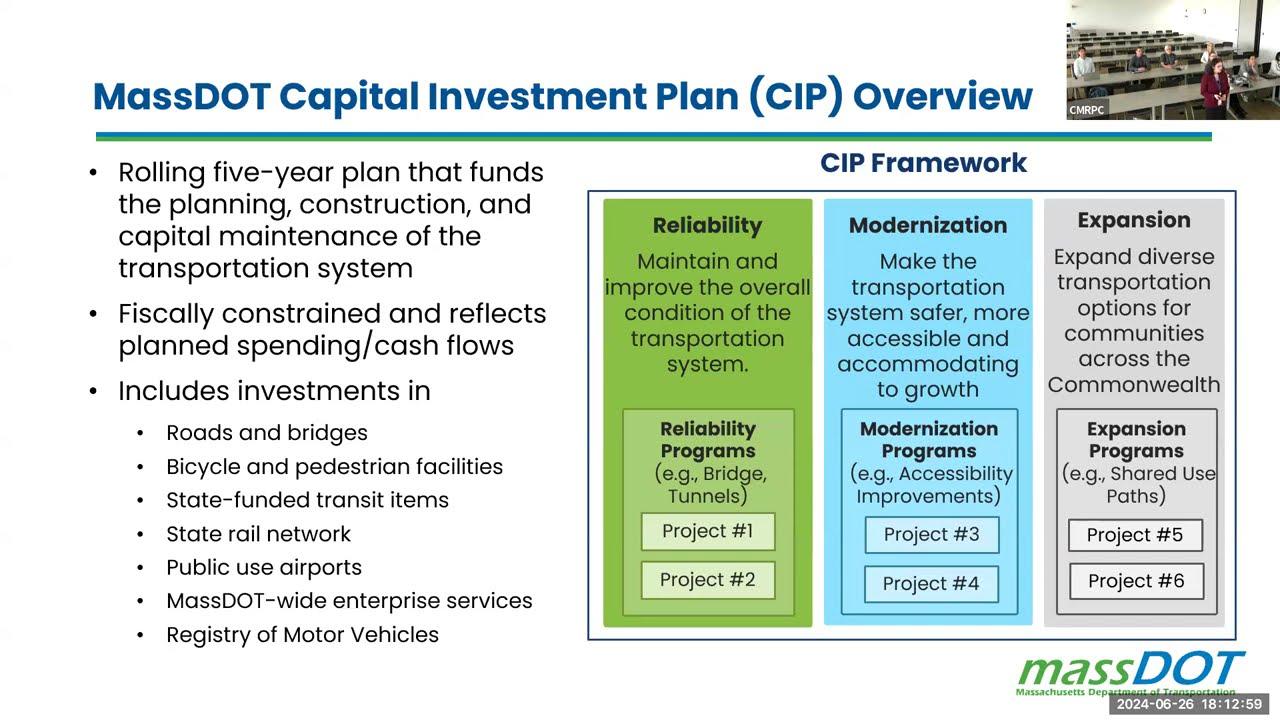
Massachusetts Department of Transportation (MassDOT) has officially approved an $18.5 billion five-year capital plan aimed at modernizing the state’s transportation infrastructure. The comprehensive investment strategy outlines notable funding allocations for highway repairs, public transit improvements, and safety enhancements across the Commonwealth. This enterprising plan is set to drive economic growth, improve commuter experiences, and ensure long-term sustainability of Massachusetts’ transportation network.
Table of Contents
- MassDOT Commits to Expanding Infrastructure Across the State
- Focus on Public Transit Enhancements to Boost Commuter Experience
- Strategic Road and Bridge Repairs to Improve Safety and Efficiency
- Recommendations for Maximizing Project Impact and Community Engagement
- Insights and Conclusions
MassDOT Commits to Expanding Infrastructure Across the State
MassDOT’s newly approved $18.5 billion capital plan charts a robust path for transforming transportation infrastructure statewide over the next five years. Highlighting a strategic focus on modernization and sustainability, the plan directs significant investments toward upgrading aging roadways, bridges, and transit systems to enhance safety and reliability.Special attention will be given to projects that promote multimodal transportation options, aiming to reduce congestion and improve access for cyclists, pedestrians, and public transit users.
Key initiatives outlined include:
- Reconstructing critical highway corridors to support growing traffic demands and foster economic growth.
- Expanding commuter rail and bus networks to boost regional connectivity and decrease carbon emissions.
- Implementing advanced traffic management technologies to streamline flow and enhance commuter experiences.
- Increasing infrastructure resilience against climate impact through innovative engineering solutions.
With these targeted investments, MassDOT aims to not only maintain but elevate Massachusetts’ position as a leader in forward-thinking infrastructure, ensuring vital transportation systems meet the evolving needs of residents and businesses alike.
Focus on Public Transit Enhancements to Boost Commuter Experience
MassDOT’s new capital plan allocates significant resources toward modernizing public transit infrastructure, aiming to enhance overall commuter satisfaction and accessibility. Key projects include the expansion of bus rapid transit lanes, upgrades to aging rail systems, and the introduction of state-of-the-art real-time tracking technology. These investments are designed to reduce delays, improve safety, and streamline schedules throughout the transportation network.
Additional priorities focus on connectivity and sustainability, offering benefits such as:
- Enhanced multimodal transit hubs to better link buses, trains, and bike-sharing programs
- Increased frequency of service during peak hours to minimize overcrowding
- Deployment of energy-efficient vehicles to reduce environmental impact
- Upgraded station amenities that improve rider comfort and accessibility for all passengers
Strategic Road and Bridge Repairs to Improve Safety and Efficiency
MassDOT’s newly approved capital plan allocates a significant portion of the $18.5 billion budget to critical infrastructure repairs aimed at enhancing both safety and operational efficiency across the Commonwealth. Targeted interventions will address aging roadways and structurally deficient bridges through the use of advanced materials and innovative engineering techniques. These upgrades are designed not only to extend asset lifespan but also to reduce traffic disruptions and improve travel reliability for millions of daily commuters.
Key initiatives include:
- Comprehensive bridge rehabilitation projects prioritizing high-traffic corridors
- Strategic road resurfacing and pavement strengthening programs
- Deployment of smart traffic management systems to optimize flow during construction phases
By adopting a data-driven approach that integrates real-time condition monitoring, MassDOT aims to proactively identify vulnerabilities and apply preventative maintenance, ultimately reducing emergency repairs and ensuring safer road conditions across the state’s transportation network.
Recommendations for Maximizing Project Impact and Community Engagement
To fully realize the benefits of the $18.5 billion capital plan, it is essential to integrate strategic community input early and throughout the project lifecycle. Establishing robust interaction channels with local stakeholders will ensure that investments address the most pressing regional needs.Prioritizing transparency about project goals and timelines will foster trust and encourage active participation by residents, businesses, and civic groups. Additionally, leveraging data-driven impact assessments can definitely help align expenditures with measurable community outcomes, enhancing accountability and public support.
Effective collaboration can be achieved by adopting best practices such as:
- Hosting regular town halls and workshops to gather diverse perspectives and feedback.
- Deploying digital platforms for easy access to project updates and real-time input submission.
- Partnering with local organizations to broaden outreach and address equity considerations.
- Incorporating sustainable design principles to maximize long-term community benefits and environmental impact.
These approaches will help ensure that the capital plan not only delivers infrastructure improvements but also strengthens social fabric and economic vitality across Massachusetts communities.
Insights and Conclusions
As MassDOT moves forward with the ambitious $18.5 billion five-year capital plan, the state sets a clear path toward modernizing its transportation infrastructure, enhancing safety, and supporting economic growth. Stakeholders and residents alike will be watching closely as projects roll out, promising to reshape Massachusetts’ transit landscape for years to come.