
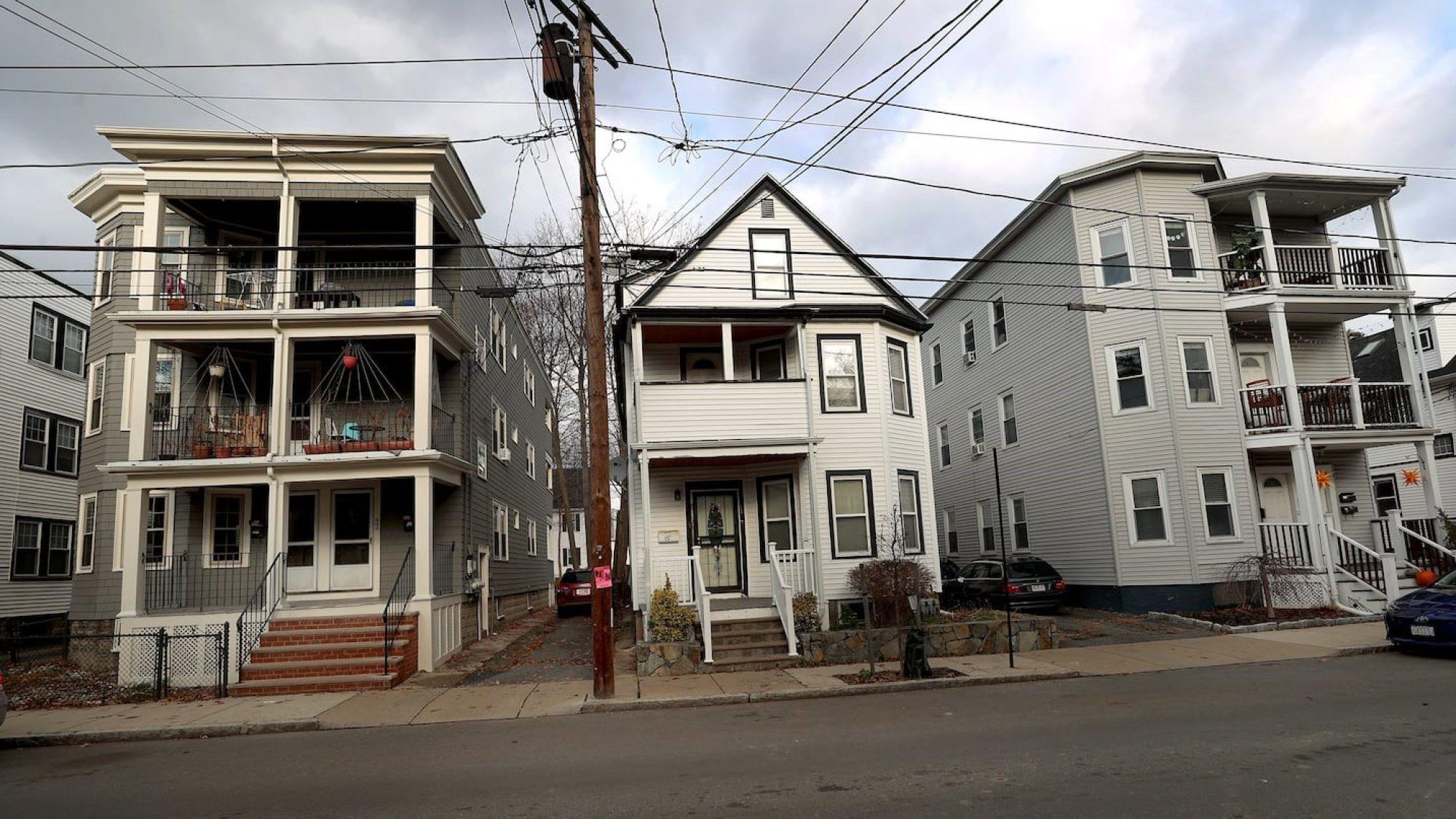
Massachusetts officials are considering significant expansions to the state’s affordable housing programs in response to escalating housing costs and growing demand. The proposed measures aim to increase access to affordable homes for low- and moderate-income residents amid ongoing economic pressures and demographic shifts. As Massachusetts evaluates these potential initiatives, stakeholders from government, advocacy groups, and the housing industry are closely watching the debate, which could reshape the state’s housing landscape in the coming years.
Table of Contents
- Massachusetts Explores New Funding Models to Boost Affordable Housing Supply
- Impact of Expanded Programs on Low-Income Families and Community Stability
- Stakeholder Perspectives on Challenges and Opportunities in Housing Expansion
- Policy Recommendations for Sustainable and Inclusive Affordable Housing Development
- Future Outlook
Massachusetts Explores New Funding Models to Boost Affordable Housing Supply
Massachusetts is actively pursuing innovative financing strategies to address the state’s persistent affordable housing shortage. Building on the success of existing programs, government agencies and partnering organizations are exploring new models that leverage private investment alongside public funds. This approach aims to accelerate the development of affordable rental units and homeownership opportunities without relying on increased taxpayer contributions. Key initiatives under consideration include expanding partnerships with nonprofit developers, utilizing low-interest loan funds, and enhancing grant programs designed to reduce upfront construction costs.
Among the strategies being evaluated:
- Creating blended financing pools combining public, private, and philanthropic resources to maximize impact
- Streamlining application processes through centralized platforms to reduce administrative burdens for applicants
- Offering incentives to developers who integrate affordable units within mixed-income housing projects
These efforts seek to not only increase the supply of cost-effective housing options but also ensure long-term sustainability and community integration across Massachusetts’ diverse regions.
Impact of Expanded Programs on Low-Income Families and Community Stability
Stakeholder Perspectives on Challenges and Opportunities in Housing Expansion
Local officials and housing advocates agree that expanding affordable housing in Massachusetts faces significant hurdles, including regulatory delays, high construction costs, and limited land availability. Stakeholders underscore the need for streamlined zoning reforms and increased funding to accelerate development timelines. Many emphasize that simply increasing supply is not a panacea – addressing persistent affordability challenges requires targeted subsidies and supportive policies focused on low- and moderate-income households.
Despite these obstacles, opportunities abound with innovative financing models and federal support poised to enhance program effectiveness. Stakeholders highlight:
- Leveraging federal grants to bridge funding gaps and incentivize mixed-income communities
- Partnering with private developers to integrate affordable units into market-rate projects
- Utilizing policy levers that promote preservation of existing affordable housing stock
- Implementing community-driven initiatives that align development with local needs
As Massachusetts charts its path forward, collaboration across government, nonprofit, and private sectors remains essential to overcome systemic barriers and unlock the full potential of expanded affordable housing programs.
Policy Recommendations for Sustainable and Inclusive Affordable Housing Development
Key policy recommendations focus on integrating sustainability with affordability to foster resilient communities. Experts urge state leaders to:
- Incentivize green building practices in affordable housing projects to reduce long-term environmental impact.
- Expand funding for rental assistance programs that prioritize energy-efficient units,thereby lowering utility costs for low-income residents.
- Promote mixed-income developments to encourage social inclusion and economic diversity.
Additionally, stakeholders recommend enhanced collaboration between public agencies and private developers to streamline affordable housing approvals. Emphasis is placed on:
- Implementing transparent criteria that support equitable housing distribution across urban and suburban areas.
- Ensuring accessibility by incorporating units designed for seniors and people with disabilities.
- Monitoring program outcomes to adapt policies quickly in response to community needs.
Future Outlook
As Massachusetts continues to grapple with escalating housing costs,the state’s consideration of expanding affordable housing programs marks a pivotal moment in addressing the growing demand for accessible residences. Stakeholders from government officials to community advocates will watch closely as proposals develop,balancing the urgency of housing needs with fiscal and regulatory realities. The outcome of these deliberations will significantly shape the future landscape of housing affordability in the Commonwealth, impacting thousands of residents striving for stable and affordable living options. For ongoing updates on this issue and related state initiatives, visit official resources and stay informed on Massachusetts’ efforts to create more inclusive communities.